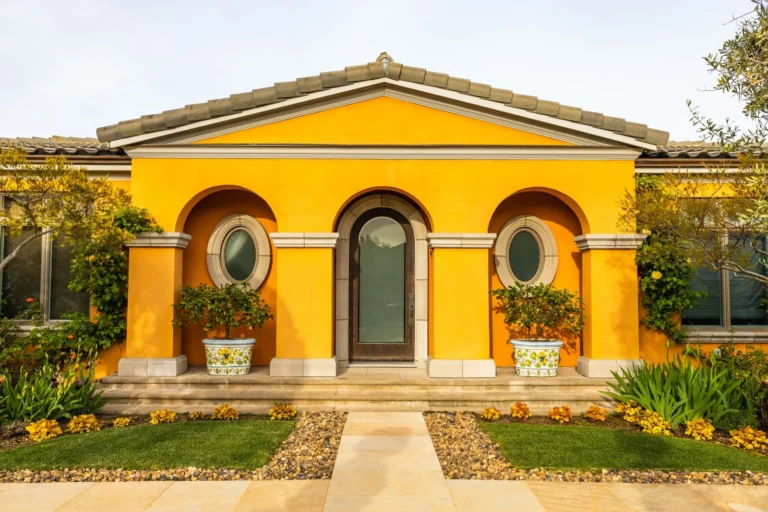
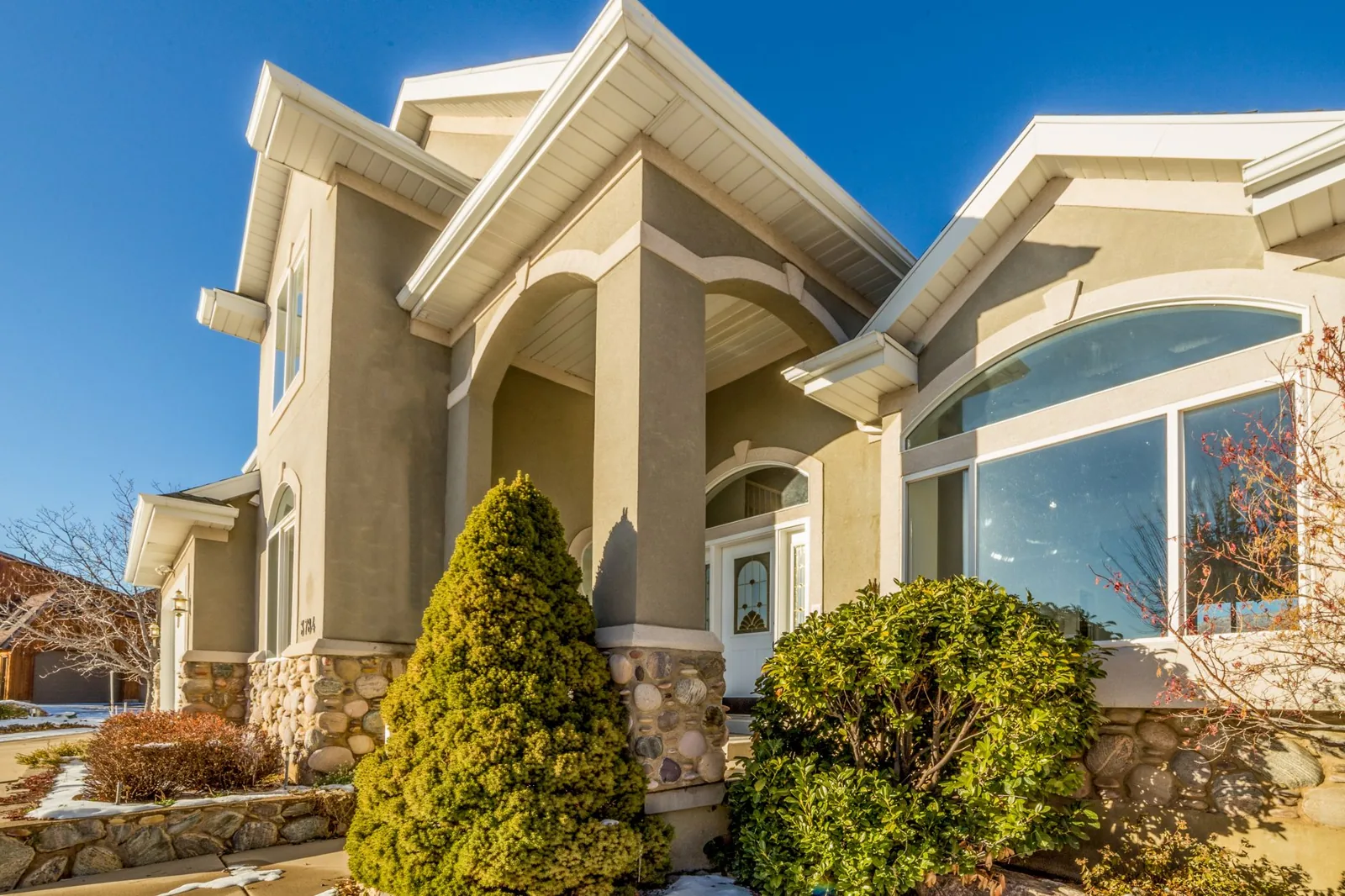
How to Increase Curb Appeal to Sell House Fast
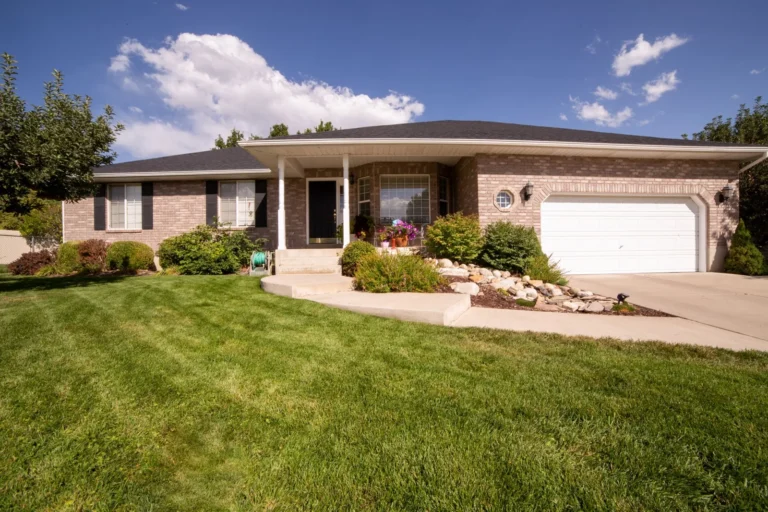
Buyers decide whether they like a home before they ever step through the door. Most agents put that window at somewhere between 7 and 15 seconds, and nearly all of it is spent looking at the exterior from the street. Learning how to increase curb appeal to sell house is the highest-return prep work you can do, because it shapes the buyer’s first impression and sets the tone for everything they see inside afterward.
You don’t need a six-figure remodel. The projects that move the needle most are often the cheapest: a clean, freshly painted front door, a tidy lawn, and a few well-placed plants. Below we break down exactly where to spend your money and your weekend hours so the house photographs well, shows well, and sells for more.
Why Curb Appeal Moves the Sales Price
The math is straightforward. A 2023 report from the National Association of Realtors found that landscaping and exterior improvements routinely recoup more than 100% of their cost at resale, and a solid front-door replacement often lands near the top of the “cost vs. value” rankings year after year. When a home looks cared for from the curb, buyers assume it has been cared for everywhere else.
That assumption translates into real numbers. Agents commonly estimate that strong curb appeal can add 5% to 10% to a home’s perceived value, and homes with polished exteriors tend to draw more showings and sell faster. In a competitive market, a listing that photographs well gets more eyes online, which is where the sale actually starts now.
Quick Wins You Can Finish in a Weekend
Most sellers should start with the projects that cost under $500 and take less than a weekend. These won’t transform a dated facade, but they will remove the red flags that make buyers subtract value before they park the car.
1. Clean, Pressure Wash, and Declutter
Dirt, mildew, and cobwebs make any home look neglected. Rent a pressure washer for about $40 to $80 per day and wash the siding, walkway, driveway, and porch. Clear the porch of excess furniture, dead plants, and personal clutter so the entry reads as open and inviting rather than occupied.
2. Paint the Front Door
A front door is roughly 20 square feet, but it draws the eye first. A gallon of exterior paint runs $30 to $60, and a bold, tasteful color—deep navy, forest green, or classic black—can make the whole entry pop. This is one of the cheapest ways to signal that the home is maintained.
3. Refresh Hardware and Numbers
Swap dated doorknobs, kick plates, and house numbers for matching modern finishes for $20 to $80 per piece. Clean or replace the mailbox and add a new welcome mat. These details are small, but together they read as intentional.
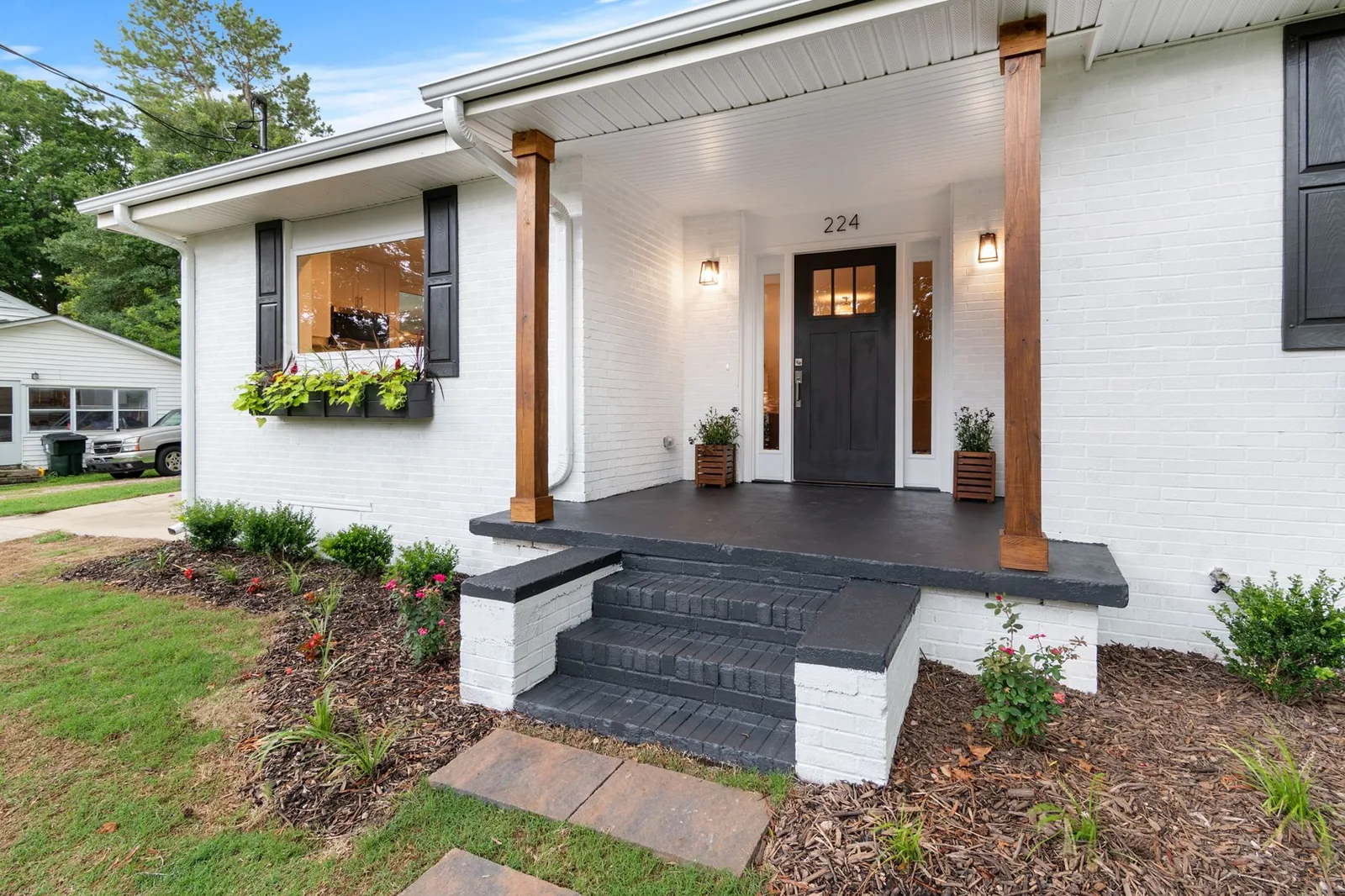
Photo by Curtis Adams via Pexels
Landscaping That Photographs Well
Landscaping is where most of the curb-appeal budget should go, because greenery frames the house in every listing photo. You don’t need a designer; you need clean edges and layers of healthy plants.
- Edge the lawn and beds. A crisp 2-inch edge between grass and mulch looks professional and costs nothing but time.
- Mulch the beds. Fresh mulch runs $3 to $7 per bag and covers about 2 square feet per bag; one afternoon brightens the whole front yard.
- Plant in threes. Group plants in odd numbers at staggered heights for a fuller, more deliberate look.
- Trim, don’t replace. Pruning overgrown shrubs often beats ripping them out—mature plants add value.
- Add color near the door. Two or three pots of seasonal flowers on the porch draw the eye exactly where you want it.
The Front Entry Is Where Buyers Pause
Buyers stand at the front door longer than anywhere else—waiting for the agent to find the key. Make that minute count.
Clean the Door and Surround
Wipe down the door, sweep the threshold, and wash the windows and storm door until they’re streak-free. If the door is dinged or hollow-core and clearly dated, replacing it with a new steel door (typically $600 to $1,200 installed) is one of the strongest ROI projects in home improvement.
Light It Up
Good exterior lighting helps evening showings and makes the home feel safe. Add matching sconces or pendant lights beside the door, and consider low-voltage path lights along the walkway for under $150 in parts. Symmetrical lighting on either side of the door frames the entry the way a professional photo would.
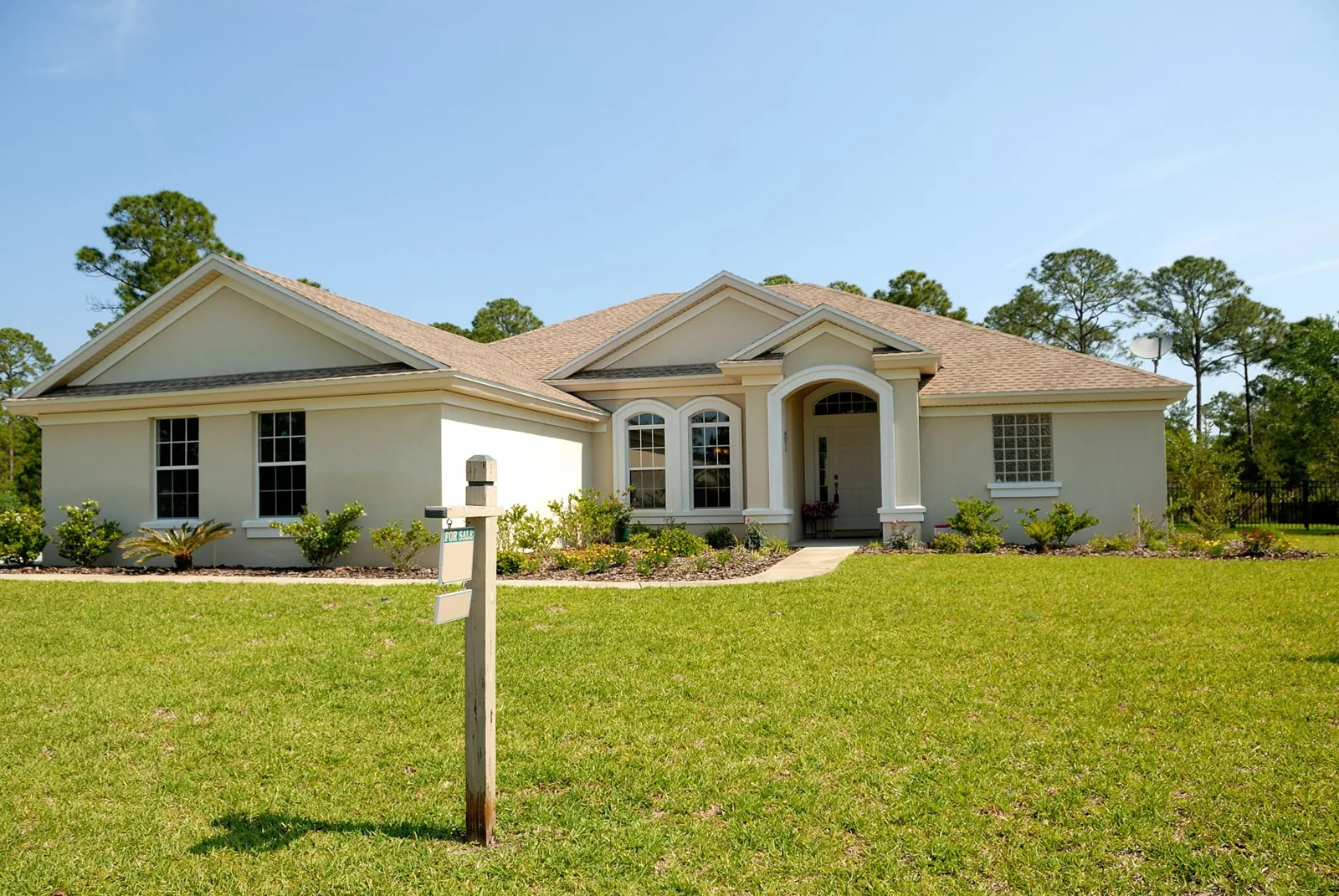
Photo by Pixabay via Pexels
Fix the Obvious Exterior Flaws
Buyers subtract value for every visible defect, and small problems suggest bigger ones hiding underneath. Walk the perimeter and fix what you’d notice in a photo.
- Repair or replace loose siding and trim. Cracked boards and peeling paint suggest deferred maintenance.
- Clean or repair the roof. Clear visible debris and replace missing shingles; a stained roof can kill a deal at inspection.
- Tend the driveway and walkway. Patch cracks, pull weeds from joints, and reseal asphalt for under $100 in materials.
- Paint or replace the garage door. It’s often the largest single surface on the front of the house, so a fresh coat—or a new door—returns outsized visual impact.
- Wash the windows. Dirty glass dulls every listing photo, inside and out.
Where to Spend vs. Where to Save
Not every exterior upgrade pays for itself when you’re selling. Here’s how the common projects stack up so you can put your money where buyers actually look.
| Project | Typical Cost | Best For | ROI Outlook |
|---|---|---|---|
| Front door replacement (steel) | $600–$1,200 | Dated, damaged door | Strong; often 100%+ recouped |
| Pressure wash + mulch + edging | $150–$400 | Almost every listing | Very strong for the price |
| Garage door replacement | $1,200–$4,000 | Old, worn door | Strong; large visual surface |
| Full siding replacement | $8,000–$20,000 | Severely damaged facade | Moderate; buy what’s needed |
| Landscaping overhaul | $1,500–$8,000 | Bare, overgrown yard | Strong to moderate |
The rule of thumb: spend first on what a buyer sees in the listing photo (door, lawn, lighting, garage door), and only tackle big-ticket items like siding if they’re genuinely failing.
How to Increase Curb Appeal to Sell House on a Tight Budget
If you have $300 and one weekend, here’s the order that delivers the most impact: pressure wash everything, edge and mow the lawn, lay fresh mulch, paint the front door, and add two pots of flowers by the entry. Total cost is often under $250, and the before-and-after difference is the kind that gets a listing saved and shared.
For a slightly larger budget, add updated house numbers, a new mailbox, and matching exterior light fixtures. None of these require a contractor, and all of them can be done by a homeowner with a drill and an afternoon. If you want more low-cost ideas, see our guide to curb appeal ideas on a budget.
Frequently Asked Questions
What is the cheapest way to increase curb appeal?
Pressure washing, edging the lawn, adding fresh mulch, and painting the front door. You can do all four for under $300 in materials and rentals, and they consistently deliver the biggest visual payoff per dollar.
What adds the most value when selling a house?
Landscaping and the front entry. A new steel front door and a well-maintained yard both rank among the highest-ROI projects in national remodeling reports, because they shape the buyer’s first impression before the tour begins.
Should I paint my house before selling?
Only if the current paint is peeling, badly faded, or an unusual color. A full exterior repaint can cost $3,000 to $10,000 and rarely recoups the full amount, so spot-paint trim and the door first unless the siding genuinely needs it.
Does curb appeal affect the appraisal?
Indirectly, yes. Appraisers compare your home to nearby sales, and visible deferred maintenance can push a value downward. A clean, well-kept exterior supports the higher end of the comparable range.
How long do curb appeal upgrades take?
Most high-impact items—washing, mulching, painting the door, swapping fixtures—take one weekend. Larger jobs like a garage door or full repaint can take a week or two with a contractor, so schedule them before the listing photos are taken.
The Bottom Line
Figuring out how to increase curb appeal to sell house doesn’t require a big budget or a contractor. It requires attention to the handful of things buyers actually see: a clean facade, a sharp lawn, a fresh front door, and a well-lit entry. Do the cheap, high-impact work first, fix the visible flaws second, and reserve big-ticket spending for anything that’s genuinely failing.
Start with a weekend of washing, mulching, and painting the door, then walk out to the street and take the exact photo a buyer would see. If it doesn’t make you want to stop and look, it won’t make them stop either. For more on the details that frame your entry, read our guides to front door color ideas and exterior lighting ideas for homes. For a deeper look at the numbers behind individual projects, the remodeling cost data at This Old House and Bob Vila is a solid reference.