Dark Exterior House Paint Ideas for a Bold, Modern Curb Appeal
A dark exterior used to be a risky call. Today, charcoal, black, and deep green homes are everywhere from new-build neighborhoods to historic districts, and for good reason: they photograph beautifully, hide the grime that light siding shows off, and give a house a quiet, expensive-looking presence. If you have been scrolling for dark exterior house paint ideas, you are not alone — it is one of the most requested looks in residential design right now.
The catch is that dark paint is less forgiving than beige or white. It fades faster in direct sun, shows dust and water spots in dry climates, and needs the right trim, door, and landscaping to keep the house from reading as a black hole. This guide walks through the specific shades worth considering, the pairings that make them work, what the project actually costs, and the mistakes that send homeowners back to the paint store.
Why Dark Exterior Paint Is Having a Moment
Part of the shift is purely aesthetic. Dark siding reads as modern and architectural, which is why so many contemporary builds pair it with clean lines, black window frames, and simple landscaping. But the trend also has practical roots. Dark pigments hold color longer than pastels in many formulas, and a deep base does a better job of masking the algae, mildew, and road dust that settle on every house over time.
There is a real trade-off, though. Dark surfaces absorb more heat than light ones, which can raise cooling costs in warm climates and accelerate fading and peeling on sun-baked walls. The U.S. Department of Energy notes that lighter, more reflective surfaces help keep a building cooler, while darker finishes soak up more solar energy. That does not mean you should skip a dark exterior — it means you should choose your shade and paint quality carefully, which the sections below cover.
Dark Exterior House Paint Ideas by Color Family
Not all dark paint is created equal. The four families below cover most of what homeowners actually end up choosing, and each one behaves differently in real light.
Charcoal and Black
True black is boldest, but most people settle on a soft black or charcoal like Benjamin Moore’s Wrought Iron or Sherwin-Williams’ Iron Ore. These shades have a hint of warm gray that keeps the house from looking flat. They are the go-to for modern farmhouse and mid-century ranch styles.
Deep Navy and Blue-Black
A deep navy such as Sherwin-Williams’ Naval or Benjamin Moore’s Hale Navy reads as nearly black in low light and a rich blue in full sun. It is the safest dark exterior house paint idea for someone nervous about going all the way to charcoal, because it still pairs naturally with white trim and natural stone.
Forest Green and Olive
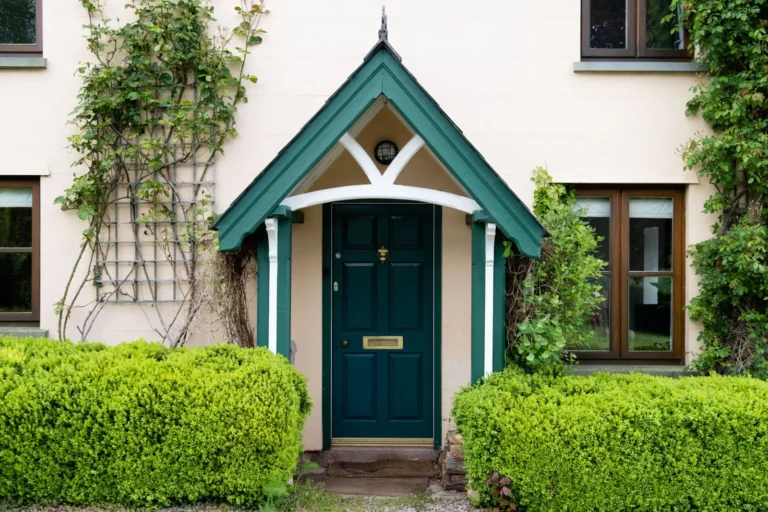
Deep greens like Benjamin Moore’s Black Forest Green or Sherwin-Williams’ Retreat have exploded in popularity on homes surrounded by trees. They look grounded in woodland settings and coordinate with cedar, stone, and copper gutters better than almost any other dark family.
Espresso Brown and Warm Charcoal
A dark brown with warm undertones — think Sherwin-Williams’ Urbane Bronze or Benjamin Moore’s Black Bean Soup — suits craftsman and traditional homes where pure gray would look cold. It reads as more welcoming than black while still delivering that dark, moody curb appeal.

Photo by Giant Asparagus via Pexels
How to Choose the Right Dark Exterior House Paint Ideas for Your Home
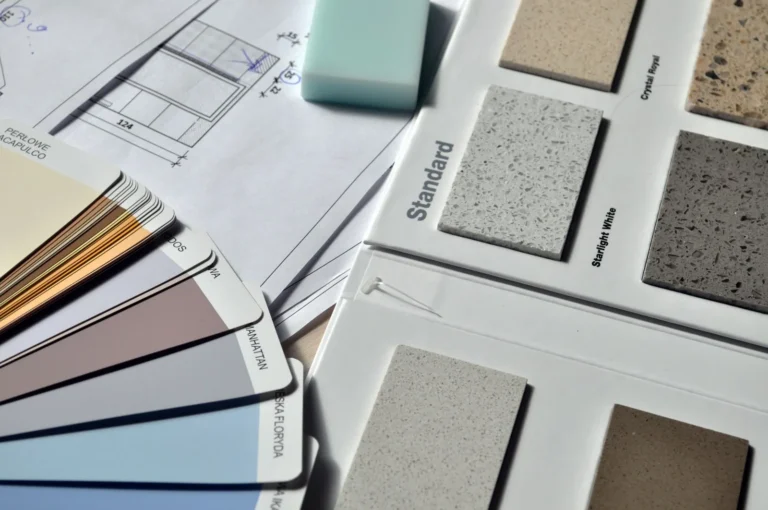
The shade that looks perfect on a sample chip can look completely different on a 30-foot wall in full sun. Before you commit, work through these four filters, then test the finalists on your own siding.
- Architectural style. Farmhouse and modern homes take charcoal and black well; craftsman and traditional homes usually want brown or green undertones instead of pure gray.
- Sun exposure. A south- or west-facing wall gets hammered by afternoon sun. Dark paint there will fade and heat up fastest, so lean on a high-quality 100% acrylic formula with strong UV resistance.
- Roof and masonry color. Your roof is fixed. A warm brown roof almost always fights a cool charcoal wall, so match the undertone of your shingles or stone.
- Neighborhood context. One dark house on a street of light homes stands out — which can be a feature or a regret. Drive the block and picture your house among its neighbors.
The table below compares the four most popular dark families at a glance.
| Feature | Charcoal Black | Deep Navy | Forest Green | Espresso Brown |
|---|---|---|---|---|
| Vibe | Modern, dramatic | Classic, coastal | Grounded, natural | Warm, traditional |
| Best style match | Farmhouse, mid-century | Colonial, coastal | Craftsman, woodland | Craftsman, bungalow |
| Pairs well with | White or black trim | White trim, stone | Cedar, copper, stone | Cream trim, stone |
| Fading risk | High in full sun | Moderate | Moderate | Low to moderate |
| Easiest to resell | Moderate | High | Moderate | High |
Photo by lalesh aldarwish via Pexels
Trim, Door, and Accent Pairings That Make Dark Paint Work
Dark walls succeed or fail on the trim. Get the contrast right and the house looks crisp; get it wrong and it looks muddy.
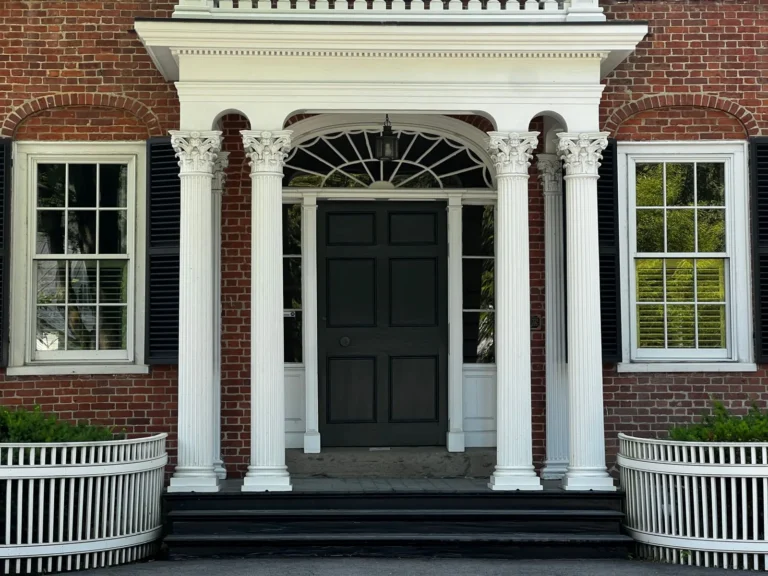
- White or off-white trim is the classic, high-contrast choice that keeps a dark house from feeling heavy. A soft white like Benjamin Moore’s Simply White or Sherwin-Williams’ Pure White reads cleaner than a stark brilliant white against deep pigments.
- Black-on-black (dark walls, dark trim, dark windows) is the modern way to make a house look sleek, but it needs a lighter door or warm wood accents so the facade does not flatten into one shape.
- Natural wood and stone warm up a dark palette instantly. A cedar porch ceiling, a wood front door, or a stone skirt wall all break up the mass of dark paint without introducing a competing color.
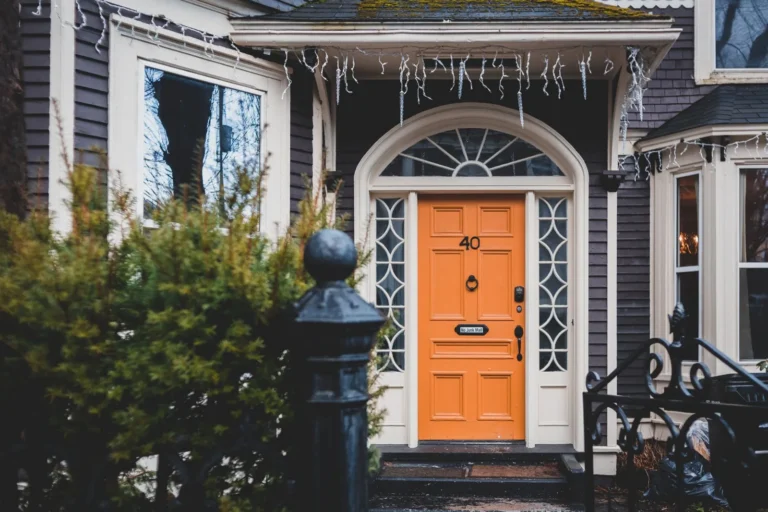
- A single accent color — a mustard, terracotta, or deep red front door — gives the eye a place to land and is the cheapest way to add personality.
For more on getting the surrounding colors right, see our guide on exterior paint color combinations for houses and how to pick the right exterior trim color.
What Dark Exterior Paint Costs (and How It Affects Your Home)
Dark paint does not cost dramatically more than light paint on the materials side. A gallon of premium exterior paint runs roughly $50 to $90 whether it is tinted white or near-black, and a typical 2,000-square-foot home takes 10 to 15 gallons for two coats plus primer where needed. The bigger cost drivers are labor and the number of coats.
Darker colors often need an extra coat to reach full, even coverage, and they frequently need a tinted primer so the deep color does not look patchy. A full exterior repaint of an average home generally lands between $1,800 and $4,500 depending on region, prep work, and height. If you are weighing a repaint against new siding, our breakdown of exterior paint cost per square foot walks through the math in more detail.
The longer-term cost story matters more than the upfront paint bill. On a hot, sunny wall, dark paint can fade or chalk noticeably within five to seven years, and it may add to summer cooling load because the surface absorbs more heat. A quality 100% acrylic exterior paint with strong fade resistance, plus staying on top of caulk and touch-ups, is the best way to stretch the life of a dark finish.
Common Mistakes to Avoid With Dark Exterior Paint
Most dark-paint regrets trace back to one of a handful of avoidable errors.
- Skipping the test patch. Buy a sample and paint a two-by-two-foot area on the sunniest and shadiest walls. Look at it morning, noon, and evening before you order 12 gallons.
- Choosing the wrong sheen. Flat or matte hides imperfections but traps dirt; satin and low-lustre are easier to clean and the standard choice for most siding. Reserve gloss for trim and doors.
- Ignoring the roof undertone. A brown roof over cool charcoal walls is the most common “something is off” complaint homeowners cannot name.
- Forgetting the prep. Dark colors magnify every scrape, crack, and patch. Power wash, scrape loose paint, and prime first or the final coat will telegraph the flaws.
- Painting over old glossy paint without scuffing. The new dark coat will peel in sheets if the surface is not sanded and primed for adhesion.
Frequently Asked Questions
Is dark exterior paint a bad idea in hot climates?
Not necessarily, but you should be deliberate. Dark surfaces absorb more heat, which can raise cooling costs and speed fading on sun-baked walls. If you live in a hot region, lean toward a mid-tone dark like deep green or navy rather than true black, use a fade-resistant acrylic paint, and keep attic ventilation in good shape. The U.S. Department of Energy recommends lighter, reflective surfaces for maximum energy savings, so weigh curb appeal against your summer utility bill.
Does dark paint make a house look smaller?
It can. Dark colors recede visually, so a very dark house may read as slightly smaller or heavier than the same house in white. You can offset this with white trim, larger windows or shutters, and landscaping that adds light and texture around the foundation.
What is the most popular dark exterior house color?
Charcoal and soft black shades like Sherwin-Williams’ Iron Ore and Benjamin Moore’s Wrought Iron are the most requested, followed closely by deep navy (Sherwin-Williams’ Naval) and forest green. For a full look at what is trending this year, see our roundup of the best exterior paint colors.
Will dark paint show dirt more than light paint?
Usually the opposite. Dark paint hides road dust, algae, and mildew better than white or light gray. What it does show more readily is dust and hard-water spots in dry, dusty climates, and chalky fading on sun-exposed walls.
How long does dark exterior paint last?
With a quality acrylic paint and proper prep, expect 7 to 10 years in moderate climates, though sun-facing dark walls can fade or chalk sooner. Touch up early wear to avoid a full repaint. Our guide on how long exterior paint lasts covers the factors that extend or shorten that window.
The Bottom Line
Dark exterior house paint ideas are no longer a fringe choice — they are one of the fastest ways to make a home look current, architectural, and quietly expensive. The key is treating the decision like the long-term commitment it is: pick a shade family that matches your roof and architecture, test it on your actual siding in real sunlight, and spend the extra money on a fade-resistant acrylic paint and proper prep.
Done right, a charcoal, navy, forest green, or espresso exterior will outlast several rounds of decorating trends and earn compliments every time you pull into the driveway. Done carelessly, it is an expensive repaint you get to do twice. Start with a sample quart and a sunny afternoon — the rest falls into place from there. For more dark-hued inspiration and shade ideas, Better Homes & Gardens has a full gallery of painted exteriors to browse.
Want to see how dark walls pair with the rest of the house before you commit? Read our guide to exterior paint color combinations for houses next.