House Siding Options Compared: Vinyl, Fiber Cement, Wood & More
Your siding is the largest single surface on your home, the first thing a buyer sees from the curb, and the layer standing between your framing and every storm that rolls through. When house siding options are compared honestly, the differences come down to four things: what it costs to install, how long it lasts, how much upkeep it demands, and how it handles your local weather. Get any one of those wrong and you either overspend by thousands or commit to repainting every few years for as long as you own the place.
This guide walks through the six materials that account for nearly every residential install in the US, UK, Canada, and Australia. We price them per square foot, note realistic lifespans, and flag the maintenance traps that sales brochures tend to skip. By the end, you will know which siding fits your climate, your budget, and your tolerance for upkeep.
Why Your Siding Choice Matters More Than You Think
Siding is not just a cosmetic wrapper. It is part of your home’s water-management system, and it works in tandem with house wrap, flashing, and a ventilated gap behind it to keep rain out and let moisture escape. A material that traps water — or one installed without the right barrier behind it — can hide rot for years before you notice a soft spot near a window.
The financial stakes are just as real. A full siding replacement typically runs $5,000 to $20,000 or more depending on the material and the size of the house, and it is one of the few remodels that reliably pays you back at resale. According to Remodeling’s cost-versus-value data, replacing siding regularly lands among the top exterior projects for recouped cost, often returning 60% to 85% of what you spend. That makes the choice a long-term financial decision, not a quick style call.
There is also the energy angle. Some materials add real insulating value or reflect more heat, which trims heating and cooling bills over decades. Others are basically a thin shell with no thermal contribution at all. The U.S. Department of Energy notes that properly installed, well-sealed siding and sheathing reduce air leakage, which is one of the biggest drivers of home energy loss.
House Siding Options Compared at a Glance
Before diving into each material, here is a side-by-side look at the four most common choices. Costs reflect typical installed prices per square foot, including labor, as of 2026.
| Feature | Vinyl | Fiber Cement | Wood | Metal |
|---|---|---|---|---|
| Installed cost (per sq ft) | $3–$8 | $6–$13 | $8–$16 | $8–$15 |
| Typical lifespan | 20–40 years | 30–50 years | 15–30 years | 40–70 years |
| Maintenance | Low | Low–moderate | High | Low |
| Fire resistance | Poor (melts) | Excellent | Poor | Excellent |
| Best for | Tight budgets, low upkeep | All-round value | Character homes | Modern look, extreme climates |
The short version: vinyl wins on price, fiber cement wins on durability per dollar, wood wins on looks for traditional homes, and metal wins on longevity. Two other options — stucco and brick — dominate in specific regions and are covered further down.
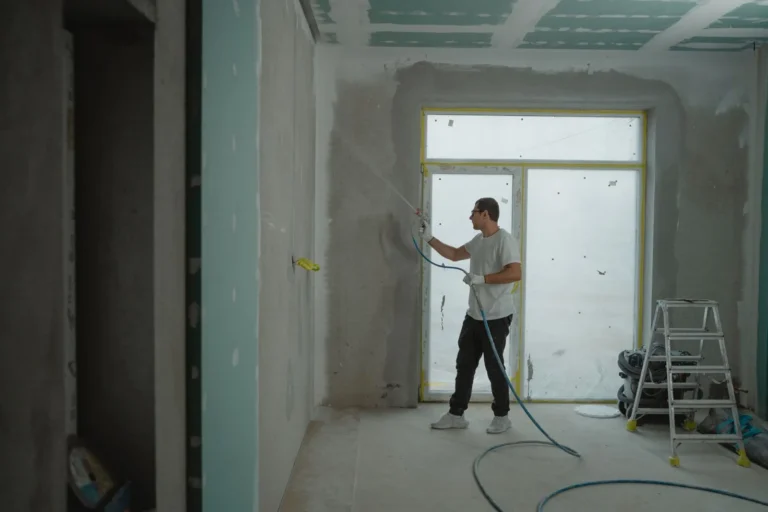
Photo by Karolina Grabowska www.kaboompics.com via Pexels
Vinyl Siding: The Budget Workhorse
Vinyl is the most common siding in North America for a reason: it is the cheapest to buy and install, and it never needs painting. Most homes are clad in vinyl for $3 to $8 per square foot installed, meaning a 2,000-square-foot exterior typically runs $6,000 to $16,000. The material itself is colored all the way through, so scratches and minor impacts do not expose a different color underneath.
The trade-offs are durability and heat tolerance. Vinyl panels expand and contract with temperature, and in extreme heat — or under a grill placed too close to the wall — they can warp, buckle, or melt. Darker vinyl colors absorb more heat and are more prone to this than light shades. Hail and flying debris can crack or punch holes in panels, though individual panels are inexpensive to swap out. In a fire, vinyl melts and can fall away from the wall, which is a genuine safety consideration in wildfire-prone areas.
On the maintenance side, vinyl rarely needs more than an annual wash. It holds dirt and mildew, especially on the north side of a house or under trees, but a soft-bristle brush and a garden hose usually handle it. If you are weighing vinyl against its closest premium competitor, see our full breakdown of vinyl siding vs fiber cement.
Fiber Cement Siding: The Premium All-Rounder
Fiber cement — the category dominated by James Hardie — is a mix of cement, sand, and cellulose fibers pressed into boards that look convincingly like wood but do not rot, warp, or burn. It is the fastest-growing siding category in the US, and for good reason: it offers near-wood aesthetics with a fraction of the upkeep.
Expect to pay $6 to $13 per square foot installed, or roughly $12,000 to $26,000 for a 2,000-square-foot exterior. That is roughly double vinyl, but fiber cement routinely lasts 30 to 50 years, and the factory-applied color finishes are warrantied for 15 years or more. It also carries a Class 1(A) fire rating, which is why it has become the default choice in wildfire zones and in regions where building codes now discourage vinyl and wood.
The main drawbacks are weight and labor. Fiber cement boards are heavy, brittle before installation, and produce silica dust when cut, so installers need the right blades and safety gear. That specialized labor is a big part of why the installed price runs higher than the raw material cost. Once up, it needs repainting only every 10 to 15 years if you choose a painted finish, and it shrugs off insects and moisture. For a closer look at how its cost stacks up over time, see house siding cost per square foot.

Photo by Pixabay via Pexels
Wood, Metal, Stucco, and Brick: The Specialty Contenders
The big three above cover most homes, but four other materials matter in specific markets and architectural styles.
Wood siding — cedar, redwood, pine, and engineered clapboard — delivers a warmth no manufactured board fully replicates. It costs $8 to $16 per square foot installed and looks stunning on Craftsman, Cape Cod, and farmhouse styles. The catch is upkeep: wood needs scraping and repainting or re-staining every 3 to 7 years, and it is vulnerable to rot, termites, and woodpeckers if neglected. Read our full rundown of wood siding pros and cons before committing.
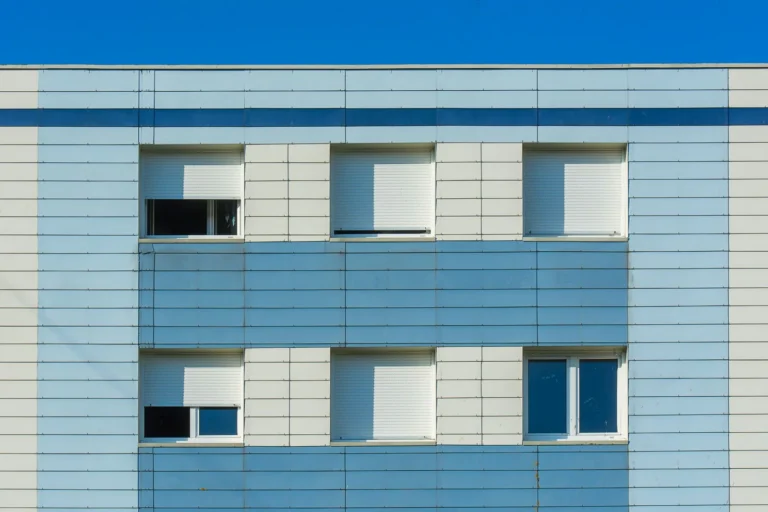
Metal siding — steel and aluminum — runs $8 to $15 per square foot installed and can outlast nearly everything else at 40 to 70 years. Aluminum dents easily but resists corrosion; steel is tougher but can rust if the coating is scratched. Both are fireproof and low-maintenance, which is why metal is a favorite for modern and coastal homes. See metal siding for modern homes for design ideas.
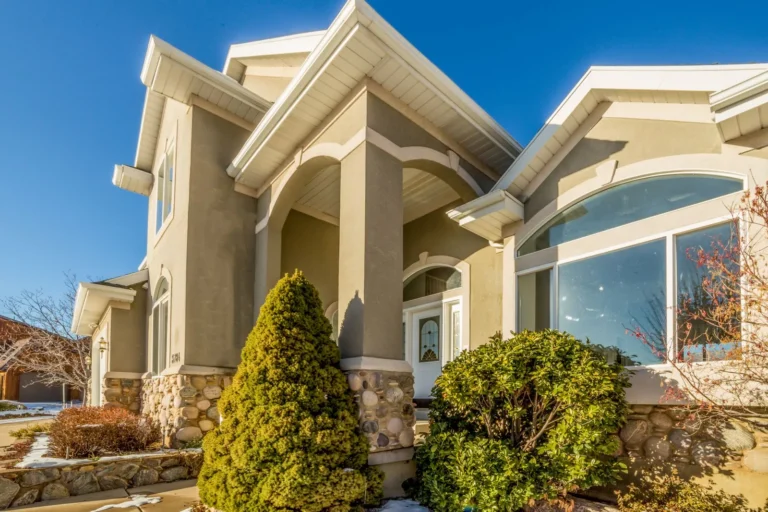
Stucco is a cement-based plaster common across the Southwest and Florida, applied over lath at $7 to $12 per square foot. It handles heat and wind well, but it can crack with settling and trap moisture if the drainage plane behind it is wrong. In wet climates, a poor stucco job invites hidden rot.
Brick is rarely a siding retrofit — it is usually structural masonry built with the house — but brick veneer applied over framing gives the same look at $10 to $20 per square foot. It lasts a century or more with almost no maintenance, which is why brick homes hold value so well.
How to Choose: Match the Material to Your Climate
The single most useful way to narrow these house siding options compared side by side is to let your climate decide first, then filter by budget.
- Wet, humid climates (Pacific Northwest, Gulf Coast, UK): fiber cement and vinyl resist rot best. Avoid unpainted wood, and be cautious with stucco unless the drainage plane is proven.
- Wildfire-prone areas (California, parts of Australia): fiber cement and metal are the clear picks. Many codes now discourage or ban combustible siding within defensible zones.
- Extreme cold (northern US, Canada): look for materials that tolerate wide temperature swings without cracking or buckling — fiber cement and metal perform well; vinyl can get brittle in deep cold.
- Hot, dry climates (Southwest): stucco and brick excel at shedding heat and surviving sun, while light-colored vinyl or metal reflects rather than absorbs.
Budget is the second filter. If the total installed cost is your ceiling, vinyl wins outright. If you plan to stay in the home for 20-plus years, fiber cement’s higher upfront cost usually beats vinyl on total lifetime cost, because you skip the replacement cycle vinyl eventually requires. And if resale is your priority, brick and fiber cement consistently read as “quality” to buyers and appraisers.
Whichever you choose, verify that the installer addresses the two details most DIY jobs botch: a continuous house wrap or drainage plane behind the siding, and proper flashing around every window, door, and penetration. Those two layers matter more than the brand on the box.
Frequently Asked Questions
What is the cheapest house siding option?
Vinyl is the cheapest at $3 to $8 per square foot installed. It requires no painting and is widely available, which keeps both material and labor costs low.
Which siding lasts the longest?
Brick and metal lead the pack, with lifespans of 40 to 100 years or more. Fiber cement is the longest-lasting of the common manufactured boards at 30 to 50 years.
Is fiber cement worth the extra cost over vinyl?
For most long-term homeowners, yes. Fiber cement costs roughly double vinyl upfront but lasts significantly longer, resists fire and moisture, and holds paint longer, which closes the gap over a 20-to-30-year ownership window.
Can you put new siding over old siding?
Sometimes, but it is rarely ideal. Installing over existing siding can trap moisture and hide rot. Most pros recommend tearing off the old layer so the wall can be inspected and properly flashed.
Does siding increase home value?
Yes. Replacing siding consistently recoups 60% to 85% of its cost at resale and improves curb appeal, which helps homes sell faster. Fiber cement and brick tend to deliver the strongest buyer perception of quality.
The Bottom Line
When house siding options are compared on the numbers that actually matter — installed cost, lifespan, upkeep, and climate fit — most homeowners land in one of two camps. If you want the lowest upfront spend and the least maintenance, vinyl is hard to beat. If you are staying put and want the best durability per dollar, fiber cement is the default answer, with metal and brick worth a look in fire-prone or modern-design markets.
Before you sign a contract, get at least three quotes that itemize materials, labor, and disposal separately, and confirm the installer plans to replace house wrap and flashing rather than siding over old problems. Siding is a decades-long decision, and spending a few hours on the front end beats paying for a shortcut twice. Ready to price it out? Start with our house siding cost per square foot guide for current numbers in your area.
Sources: This Old House (thisoldhouse.com), Bob Vila (bobvila.com), and the U.S. Department of Energy (energy.gov).