Vinyl Siding vs Fiber Cement: Which Siding Is Right for Your Home?
Vinyl siding vs fiber cement is one of the most common decisions homeowners face when replacing an exterior. Both materials cover millions of American homes, and both have devoted fans — but they behave very differently on cost, durability, and the maintenance they demand over the years.
Vinyl typically runs $4 to $12 per square foot installed, while fiber cement — best known by the James Hardie brand — lands between $9 and $15 per square foot. That price gap is real, but it only tells part of the story. The right pick depends on your budget, your climate, and how long you plan to stay in the house.
Here’s how the two materials stack up, side by side.
Vinyl Siding vs Fiber Cement: The Short Answer
If you want the cheapest, lowest-maintenance exterior that you can install quickly, vinyl siding wins. If you want the most durable, fire-resistant, and realistic-looking option — and you’re willing to pay for it — fiber cement wins.
The table below summarizes the key differences at a glance.
| Feature | Vinyl Siding | Fiber Cement |
|---|---|---|
| Installed cost per sq ft | $4–$12 | $9–$15 |
| Lifespan | 20–40 years | 50+ years |
| Maintenance | Wash occasionally | Repaint every 10–15 years |
| Fire resistance | Melts and burns | Non-combustible |
| Wind resistance | Up to ~110 mph | Up to ~130 mph with proper install |
| Looks like real wood? | Approximates it | Very closely mimics it |
| Best for | Budget-focused, low-maintenance buyers | Long-term, high-performance buyers |
Cost: What You’ll Pay for Each Material
Cost is where most homeowners start, and it’s where the two products differ most sharply. For a typical 1,500-square-foot exterior, vinyl siding costs roughly $6,000 to $18,000 installed, while fiber cement runs $13,500 to $22,500 for the same house.
Material alone explains part of that gap. Vinyl panels cost $2 to $5 per square foot, while fiber cement boards run $3 to $7 per square foot. But labor widens it further. Fiber cement is heavy, brittle, and needs specialized cutting tools and fasteners, so contractors charge more per square foot to install it.
There are also hidden costs on both sides to keep in mind:
- Vinyl is cheap up front, but budget-grade panels fade, crack, and warp in extreme weather, which can force early replacement.
- Fiber cement needs repainting every decade or so, and premium factory-finished boards (like Hardie’s ColorPlus line) cost more per square foot.
- Removal and disposal of old siding runs $1 to $3 per square foot either way and is easy to forget when you’re comparing quotes.
If you’re weighing total cost of ownership rather than first cost, fiber cement often closes the gap over 20 to 30 years because it simply doesn’t need replacing as soon.
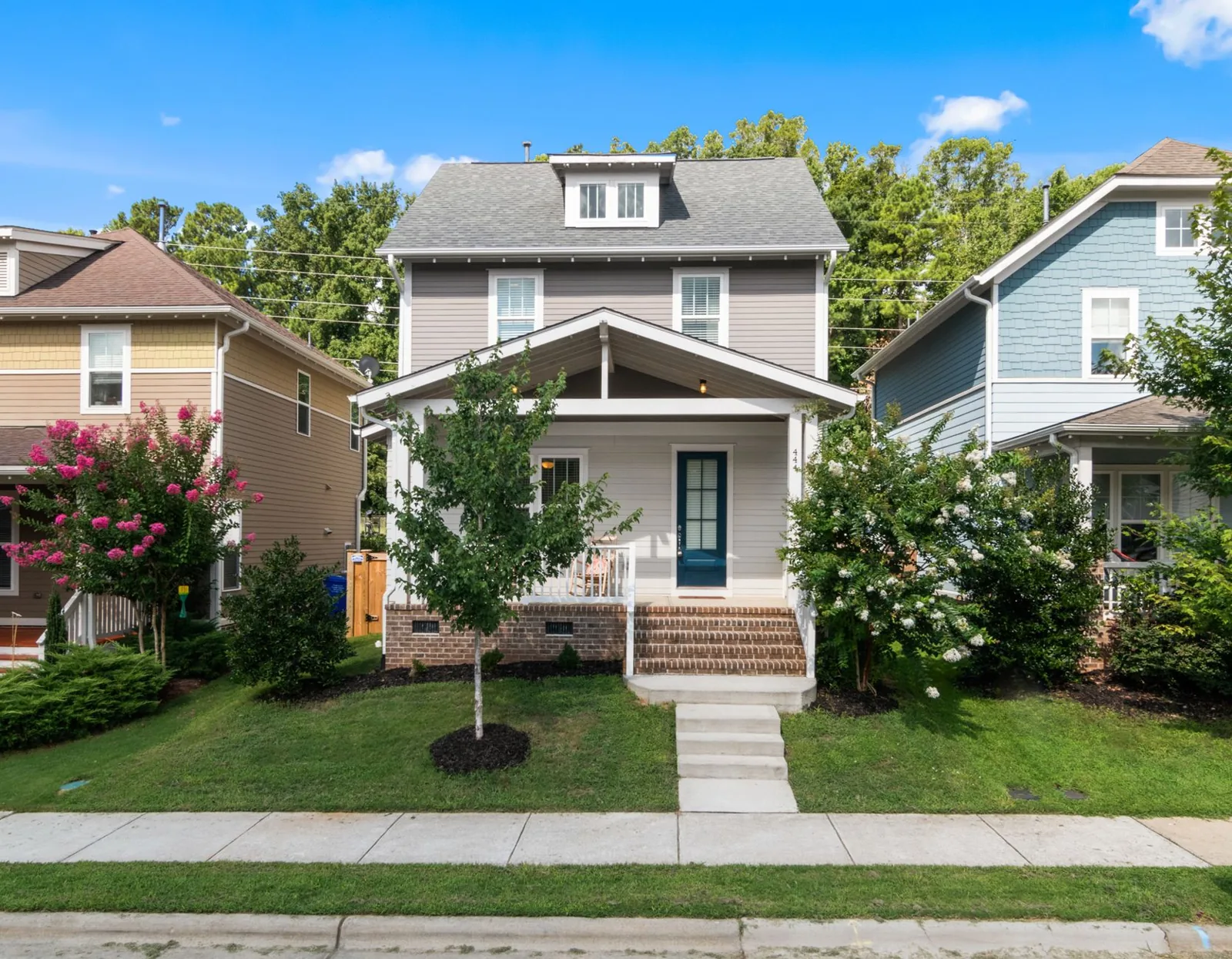
Photo by Curtis Adams via Pexels
Durability: How Long Each Siding Lasts
Durability is where fiber cement pulls clearly ahead. This is a mix of Portland cement, sand, and cellulose fiber, and it’s engineered to shrug off the things that slowly destroy vinyl.
- Impact resistance. Fiber cement boards are far harder to crack with a lawn mower rock, a stray baseball, or a bumped ladder. Vinyl panels dent and crack on impact, and a cracked panel usually means replacing the whole run.
- Fire resistance. Fiber cement is non-combustible and carries a Class 1(A) fire rating. Vinyl melts and can drip burning material onto the wall assembly in a wildfire or house fire.
- Moisture and rot. Fiber cement doesn’t rot, warp, or feed termites. Vinyl doesn’t rot either, but it can trap moisture behind it if the housewrap underneath fails.
- Temperature swings. Vinyl expands and contracts with heat and cold, which is why installers leave play in the fasteners. Fiber cement stays dimensionally stable.
The tradeoff: fiber cement is heavy. Each 12-foot board weighs around 20 pounds, and it can crack if dropped or mishandled during installation. Vinyl is feather-light and forgiving to install.
Maintenance: What Each Material Demands
This is vinyl’s home turf. A vinyl exterior asks for almost nothing — a soft-bristle brush or a garden hose with mild soap once or twice a year keeps it clean, and it never needs painting. For most people, that’s the whole maintenance routine for 20-plus years. If you want a deeper guide, we’ve covered how to clean vinyl siding step by step.
Fiber cement is a different story. Painted fiber cement holds its color well, but eventually it needs a fresh coat — typically every 10 to 15 years. Factory-finished boards with baked-on color stretch that timeline further, but no finish lasts forever. Repainting a 1,500-square-foot home runs $3,000 to $7,000, which is a recurring cost vinyl owners never face.
Both materials should be caulked and inspected at seams, windows, and doors every few years, but that’s standard for any exterior.
Photo by Đỗ Huy Hoàng via Pexels
Appearance and Curb Appeal
For many buyers, this is the deciding factor — and fiber cement generally wins on looks.
Vinyl has come a long way from the shiny, hollow-looking panels of the 1980s. Modern insulated and premium vinyl comes in deeper profiles, realistic wood-grain textures, and a huge range of colors, including dark tones that older vinyl couldn’t hold. Still, up close, most people can tell it’s vinyl.
Fiber cement is pressed into thick, dimensional boards that read as real wood, stucco, or shingle at a glance. It’s available in smooth and cedar-textured finishes and takes paint beautifully, which means you can get the exact color you want rather than choosing from a stock palette. For a home with strong architectural character, fiber cement usually photographs better and adds more perceived value.
If resale value matters to you, it’s worth noting that real estate appraisers and buyers tend to view fiber cement as the premium product. You’ll often see it listed as a selling feature; vinyl rarely gets the same callout.
Installation and Contractor Considerations
Installation quality determines how well either product performs, so the contractor matters as much as the material.
- Vinyl installs fast. A skilled crew can side an average home in a few days, and almost any siding contractor works with it. The risk is sloppy fastening — nails driven too tight stop the panels from expanding and contracting, which causes buckling.
- Fiber cement takes longer and costs more in labor. Cutting it produces silica dust, which means proper respirators and dust control, and the boards need specific nails, gap clearances, and flashing details. Fewer crews are qualified, so vet your installer carefully.
Both materials should be installed over a weather-resistant barrier with proper flashing around windows, doors, and penetrations. Cut corners there and even the best siding won’t protect your walls.
If you’re trying to pin down exact numbers before you call contractors, our house siding cost per square foot guide breaks down materials, labor, and regional differences.
Which Siding Is Right for Your Climate?
Your local weather should push you one way or the other.
- Hot, sunny climates favor fiber cement, which won’t soften, fade, or sag in sustained heat. Vinyl can distort in extreme heat, especially dark colors.
- Cold climates favor fiber cement’s stability, though vinyl holds up fine if installed with proper expansion room. Insulated vinyl can also trim heating bills slightly.
- Coastal and humid regions favor fiber cement for its resistance to salt spray and moisture. Vinyl can also work here, but wind ratings matter more in hurricane zones.
- Wildfire-prone areas strongly favor fiber cement, which is non-combustible — a genuine safety difference, not just a cosmetic one.
For a broader look at how other materials hold up in harsh weather, see our guide to the best house siding for cold climates.
Frequently Asked Questions
Is fiber cement siding worth the extra cost over vinyl?
For most long-term homeowners, yes. Fiber cement lasts 50-plus years, resists fire and impact, and typically raises perceived home value. If you plan to stay put for 15 years or more, the higher upfront cost usually pays off. If you’re on a tight budget or may sell soon, vinyl’s lower price is hard to beat.
Does fiber cement look better than vinyl?
Generally, yes. Fiber cement is thicker, more dimensional, and closely mimics real wood, stucco, or shingle. Vinyl has improved dramatically, but up close it still reads as vinyl.
How much more does fiber cement cost than vinyl?
Fiber cement typically costs $5 to $7 more per square foot installed. On a 1,500-square-foot home, that’s roughly a $7,500 to $10,000 premium over vinyl.
Can fiber cement be installed over old siding?
Usually yes, though contractors often recommend removal for proper flashing and inspection. Vinyl is more commonly installed directly over old siding, which is one reason its labor costs stay low.
Is Hardie board the same as fiber cement?
Hardie board is a brand name for fiber cement made by James Hardie, the largest manufacturer. All Hardie board is fiber cement, but not all fiber cement is Hardie. For a detailed price breakdown, see our vinyl siding vs Hardie board cost comparison.
The Bottom Line
Vinyl siding vs fiber cement isn’t a matter of one product being universally better — it’s about what you value. Vinyl is the budget-friendly, near-zero-maintenance option that still looks good from the curb. Fiber cement is the premium choice: more expensive to buy and install, but tougher, safer in a fire, better-looking, and longer-lived.
Match the material to your plans. If you’re keeping costs down or expect to move within a decade, vinyl delivers a lot of value. If this is your long-term home and you want the strongest exterior you can put on it, fiber cement is the better investment. For more on how these two fit into the wider market, check out James Hardie’s fiber cement overview and our full house siding options compared roundup.
Either way, get at least three written quotes and confirm the installer’s experience with your chosen material. The best siding on the market won’t perform if it’s hung wrong.