Vinyl Siding vs Hardie Board Cost: 2026 Price Comparison
If you’re comparing vinyl siding vs hardie board cost, the short answer is that vinyl is the cheaper option up front, while James Hardie fiber cement almost always costs more to buy and install. For a typical 1,500-square-foot home, vinyl siding runs roughly $4,500 to $12,000 installed, whereas Hardie board lands between $9,000 and $19,500. The gap is real, but so is the difference in durability, maintenance, and resale value.
Plenty of homeowners talk themselves into the cheaper quote and regret it, just as plenty overspend on fiber cement they didn’t need. The right call depends on your climate, how long you plan to stay, and what your neighborhood will support. Here’s a line-by-line breakdown of what each material costs, why the prices differ so much, and which one earns its keep on your house.
Vinyl Siding vs Hardie Board Cost at a Glance
Before we get into the details, here’s the headline comparison for an average single-family home with about 1,500 square feet of exterior wall.
| Feature | Vinyl Siding | Hardie Board (Fiber Cement) |
|---|---|---|
| Installed cost per sq ft | $3–$8 | $6–$13 |
| Material cost per sq ft | $1–$4 | $2.50–$5.50 |
| Total for 1,500 sq ft | $4,500–$12,000 | $9,000–$19,500 |
| Typical lifespan | 20–40+ years | 30–50 years |
| Repainting needed | Never | Every 10–15 years (unless ColorPlus) |
| Maintenance | Low — wash once a year | Low to moderate — repaint down the road |
| Weather/impact resistance | Dents, cracks in cold | Strong impact and fire resistance |
| Typical ROI at resale | ~68–78% | ~76–88% |
The pattern holds across almost every region: vinyl wins on upfront price, Hardie board wins on longevity, curb appeal, and resale.
What Is Hardie Board, Exactly?
Hardie board is a brand name people use the way they say “Kleenex” for tissue. The product itself is fiber cement siding, made from portland cement, sand, and cellulose fibers pressed into planks. James Hardie is the dominant manufacturer in the U.S., which is why contractors and homeowners use “Hardie board” and “fiber cement” interchangeably.
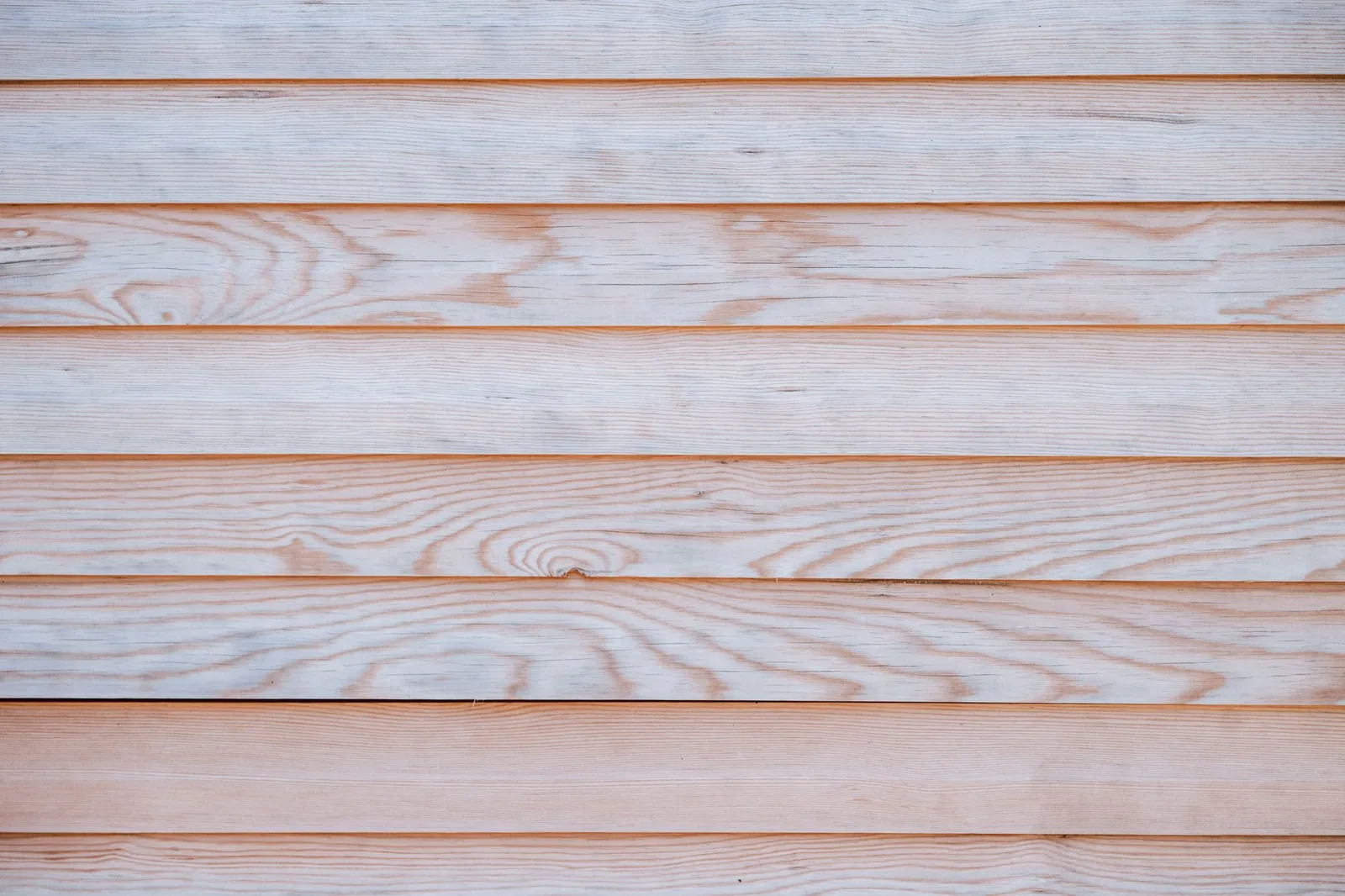
Photo by Atlantic Ambience via Pexels
Unlike vinyl, which is extruded PVC, fiber cement is dense and rigid. A single 12-foot HardiePlank weighs around 25 to 30 pounds, while the equivalent vinyl panel weighs a couple of pounds. That weight matters twice over: it’s why Hardie board survives hail and flying debris better, and it’s why the labor to install it costs significantly more.
Vinyl Siding Cost Breakdown
Vinyl is the most popular siding material in the United States for a reason — it’s cheap to make, light to ship, and fast to hang.
Materials
Vinyl panels themselves cost $1 to $4 per square foot depending on thickness and style. Basic horizontal lap siding sits at the low end, while insulated vinyl or premium shake and board-and-batten profiles run toward $4. A mid-grade panel from a brand like CertainTeed or Mastic lands around $2 to $2.50 per square foot.
Labor
Installation runs $2 to $4 per square foot in most markets. Vinyl is light and installs with a nail gun and a starter strip, so a crew can side an average house in two to four days. That speed is the single biggest reason vinyl stays cheap.
Real-world total
For a 1,500-square-foot exterior, expect $4,500 to $12,000 all-in, with most homes settling between $7,000 and $9,000. If you’re simply replacing old vinyl with new vinyl and the underlayment is sound, you’ll sit at the bottom of that range.
Hardie Board Cost Breakdown
Fiber cement is the premium option in the “mainstream” siding category, priced above vinyl but below stone, brick, and real wood.
Materials
HardiePlank lap siding costs $2.50 to $5.50 per square foot for materials alone. Trim boards, starter strips, flashing, and specialized fasteners add another $0.50 to $1.50 per square foot, and Hardie requires a rainscreen or at least proper house wrap, which vinyl often gets by without.
Labor
This is where the budget blows out. Installation runs $4 to $7 per square foot — roughly double vinyl — because fiber cement is heavy, dusty to cut, and unforgiving if installed wrong. Crews need special carbide-tipped blades and must leave correct gaps at joints and trim, or the warranty is void. Expect the job to take five to eight days.
Real-world total
For the same 1,500-square-foot home, Hardie board runs $9,000 to $19,500, with most projects landing between $12,000 and $15,000. If you opt for the factory-applied ColorPlus finish, add roughly $0.50 to $1 per square foot up front — but skip the cost of painting the siding after install.
Photo by Engin Akyurt via Pexels
Why Hardie Board Costs More to Install
If you’re asking why the labor gap is so wide, it comes down to four things:
- Weight. Fiber cement panels are 10 to 15 times heavier than vinyl. Carrying, cutting, and fastening them takes more time and more bodies.
- Dust control. Hardie board must be cut with shears or special blades; cutting it produces silica dust, so crews work slower and wear respirators.
- Precision requirements. Incorrect nailing, missing flashing, or tight butt joints cause premature failure. Vinyl tolerates sloppy work; fiber cement doesn’t.
- Prep and trim. Hardie installs typically include more trim, corner boards, and flashing, all of which add labor hours.
That premium isn’t markup — it’s the cost of doing the material correctly. Skipping it with a low-ball crew is how you end up with cracked boards and a voided warranty.
Durability, Maintenance, and Lifespan
The upfront price only tells half the story. Over 30 years, the two materials converge in interesting ways.
Vinyl siding lasts 20 to 40 years or more, and it never needs paint. You wash it once a year with a garden hose and a soft brush. The downside: vinyl expands and contracts with temperature, and in very cold climates it can crack when struck. Hail can dent it, and a stray baseball or lawn mower stone can punch a hole. Individual panels are easy to replace, but color-matching faded panels years later is difficult.
Hardie board lasts 30 to 50 years and shrugs off hail, rot, and pests. It’s non-combustible, which is a genuine selling point in wildfire-prone areas. The trade-off is maintenance: unless you buy the prefinished ColorPlus product, you’ll repaint every 10 to 15 years at a cost of $3,000 to $7,000 per repaint. Add that recurring cost to the sticker price and fiber cement gets more expensive over time, not less.
For a fuller rundown of how these materials hold up side by side, see our vinyl siding vs fiber cement comparison.
Resale Value and ROI: Which Pays You Back More?
Both materials recoup a meaningful share of their cost at resale, but fiber cement edges vinyl out.
According to Remodeling magazine’s annual Cost vs. Value report, fiber cement siding consistently returns around 76% to 88% of its cost, ranking it among the top exterior projects for payback. Vinyl siding returns a still-respectable 68% to 78%. In other words, if you spend $15,000 on Hardie board, you might recover $11,000 to $13,000 at sale; spend $8,000 on vinyl and you’ll likely recover $5,500 to $6,200.
The real deciding factor is your market. In an upscale neighborhood where buyers expect a premium look, vinyl can actually work against you — it reads as budget, and it can drag down an offer. In a modest subdivision, Hardie board won’t return its full premium because comparable homes are all sided in vinyl. Match the material to the price point of the street.
If you want to dig into the broader numbers across all siding types, start with our house siding cost per square foot guide.
How to Choose Between Vinyl and Hardie Board
There’s no universal winner, but a few questions usually settle it.
- How long will you stay? Under 10 years: vinyl’s lower upfront cost is hard to beat. Over 15 years: Hardie board’s durability and resale edge start to pay off.
- What’s your climate? Hail-prone or wildfire country: fiber cement. Cold climates with freeze-thaw cycles: both work, but vinyl is more prone to impact cracks.
- What’s the neighborhood? Match your siding to comparable homes so you don’t over-improve or undersell.
- How do you feel about maintenance? Hate painting? Vinyl. Want the wood look without wood’s rot problems? Hardie board with a wood-grain finish.
- What’s the actual budget? If $15,000 is out of reach, buy the best vinyl you can afford rather than cheap, poorly installed fiber cement.
Still undecided? Our house siding options compared article walks through every major material so you can weigh them together.
Frequently Asked Questions
Is Hardie board worth the extra cost over vinyl?
For many homeowners, yes. Hardie board lasts 10 to 20 years longer than vinyl, resists impact and fire, and returns a higher percentage of its cost at resale. If you’ll stay in the home a decade or more, the premium usually justifies itself.
How much more expensive is Hardie board than vinyl siding?
On average, Hardie board costs roughly 60% to 100% more installed than vinyl. Where vinyl runs $3 to $8 per square foot, fiber cement runs $6 to $13 per square foot — mostly because of heavier materials and much higher labor.
Does vinyl siding or Hardie board add more value to a home?
Fiber cement adds more value. It typically recoups around 76% to 88% of its cost versus vinyl’s 68% to 78%, and in higher-end markets it can make a home easier to sell.
Can you install Hardie board yourself to save money?
It’s possible but rarely advisable. Fiber cement is heavy, requires special cutting tools and dust control, and must be flashed and nailed precisely to keep the warranty valid. Most DIYers save little once they factor in tools, mistakes, and time.
How long does each siding actually last?
Vinyl siding lasts 20 to 40+ years with basic cleaning. Hardie board lasts 30 to 50 years, though non-finished boards need repainting every 10 to 15 years.
The Bottom Line
When you stack up vinyl siding vs hardie board cost, vinyl wins the day-one price check and Hardie board wins the long game. Vinyl is the smart buy for budget-conscious homeowners, rental properties, and anyone planning to sell within a few years. Hardie board is the better investment if you’re staying put, live somewhere with harsh weather or fire risk, or own a home where premium curb appeal actually moves the needle on price.
Either way, the material is only as good as the installer. Get three written quotes, confirm the crew has fiber-cement-specific experience if you go that route, and never choose the low bid on Hardie board just to close the price gap with vinyl — badly installed fiber cement fails faster than well-installed vinyl ever will. For more on planning your exterior budget, the team at This Old House has detailed, contractor-reviewed siding cost guides worth bookmarking, and Energy.gov covers how insulation and siding choices affect your heating and cooling bills.