House Cladding Ideas and Materials: Choosing the Right Exterior
Your home’s cladding is the first thing anyone sees, and it does a lot more than look good. It keeps rain out, holds heat in, and protects the framing from rot, insects, and decades of weather. If you are planning a new build or a re-side, the sheer number of house cladding ideas and materials on the market can feel overwhelming. Wood, vinyl, fiber cement, metal, brick, and stone all have loyal fans — and they all cost very different amounts to buy and install.
This guide walks through the main cladding options, what they cost per square foot, how they hold up over time, and how to pick one that fits your climate, budget, and style. By the end, you should be able to walk into a quote with a builder or siding contractor and know exactly what you are paying for.
Why Your Home’s Cladding Matters
Cladding is the outer skin of the house — the layer attached over the structural frame and the weather-resistant barrier beneath it. It is not just decoration. A well-installed cladding system is your home’s first line of defense against wind-driven rain, snow, and UV exposure, and it plays a direct role in your heating and cooling bills.
The right choice also affects resale value. A 2024 Cost vs. Value report from Remodeling magazine puts several exterior upgrades among the highest-return projects a homeowner can do, partly because curb appeal is the first impression a buyer gets. So when you compare house cladding ideas and materials, you are making a decision about protection, energy efficiency, and long-term value all at once — not just picking a color.
The Most Popular House Cladding Ideas and Materials
There are six materials that cover the vast majority of homes in the US, UK, Canada, and Australia. Each has a distinct look, price point, and maintenance schedule. Here is how they stack up.
Wood Cladding
Wood is the classic. Cedar, redwood, pine, and thermally modified timber give a warm, natural look that no synthetic product fully replicates. Common profiles include horizontal lap siding, vertical board-and-batten, shingles, and shakes.
- Look: warm, natural, high-end; ages to a silver-gray if left to weather
- Lifespan: 20–40 years with good care; cedar can go longer
- Maintenance: repaint or re-stain every 4–7 years; watch for rot and insects
- Cost: roughly $5–$13 per square foot installed
Wood is beautiful but it is the highest-maintenance option on this list. It suits homeowners who want the genuine article and are willing to keep up with painting and sealing.
Vinyl Siding
Vinyl is the most popular cladding in North America, and price explains most of that. It is cheap to buy, fast to install, and needs almost no maintenance beyond an occasional wash.
- Look: clean and uniform; now comes in realistic wood-grain textures and dozens of colors
- Lifespan: 20–40 years
- Maintenance: wash with soap and water; never needs painting
- Cost: about $3–$12 per square foot installed
The trade-offs are impact resistance (hail or a stray rock can crack it) and a slightly less premium appearance up close. Still, for budget-conscious homeowners, vinyl is hard to beat.
Fiber Cement
Fiber cement — best known by the brand James Hardie — is a blend of cement, sand, and cellulose fiber. It looks like wood or masonry but shrugs off fire, rot, and termites.
- Look: crisp, paintable, available in lap, panel, and shingle profiles
- Lifespan: 30–50 years
- Maintenance: repaint roughly every 10–15 years
- Cost: about $5–$13.50 per square foot installed
Fiber cement is the go-to middle ground for homeowners who want wood’s curb appeal without wood’s upkeep. It is heavy and needs experienced installers, which pushes labor costs up.
Metal Cladding
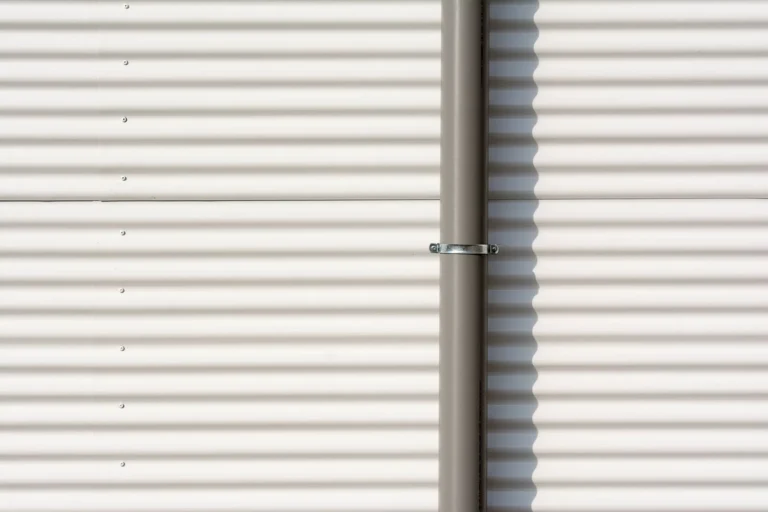
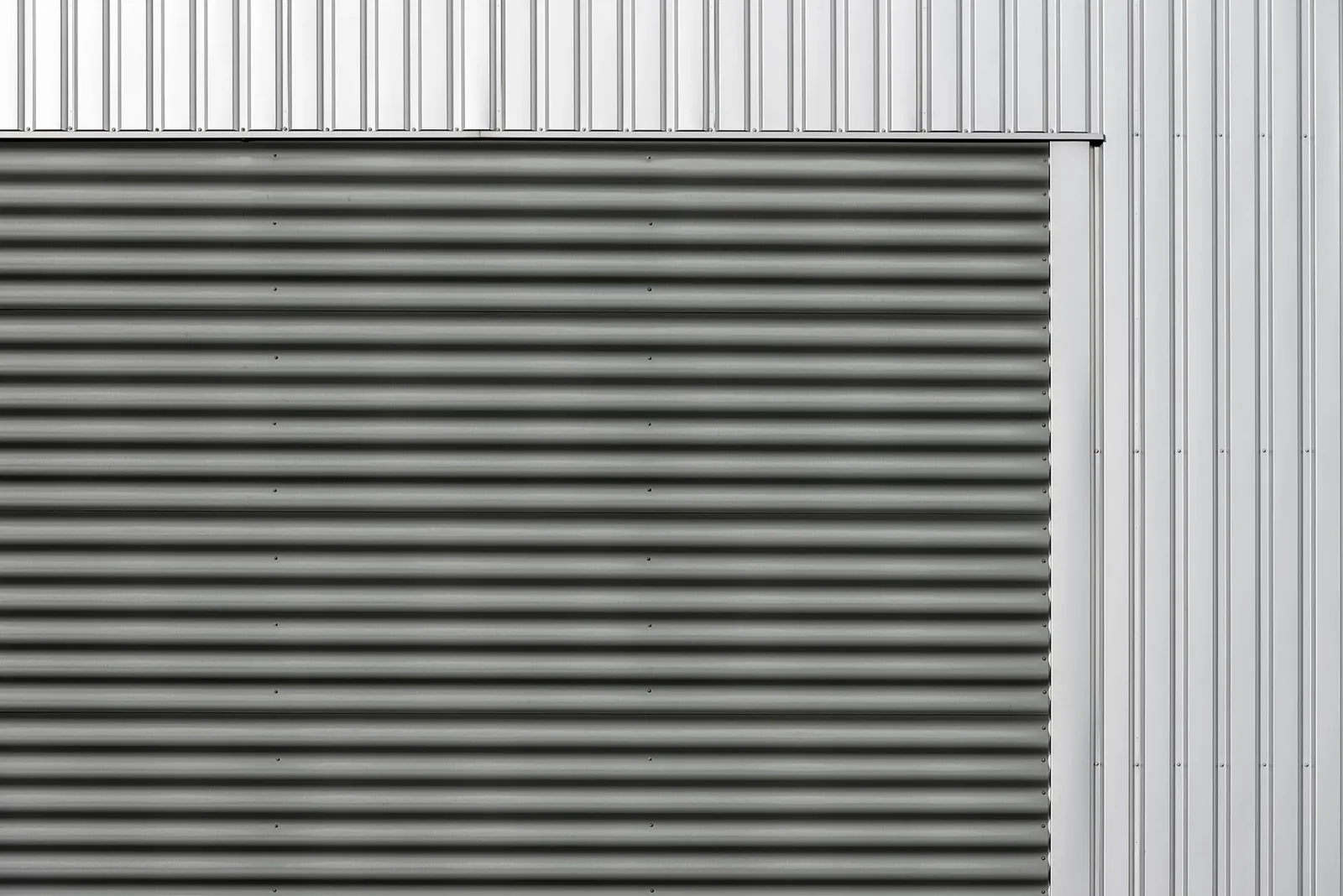
Steel and aluminum panels have moved from barns and warehouses into modern residential design. Corrugated and standing-seam profiles give a sleek, contemporary look.
- Look: clean, industrial, modern; great for contemporary and Scandinavian-style homes
- Lifespan: 40–70 years for properly coated steel
- Maintenance: very low; rinse occasionally, touch up scratches
- Cost: about $4–$16 per square foot installed
Metal is fire-resistant, pest-proof, and largely maintenance-free. The main downsides are a higher material cost for premium finishes and a look that does not suit every neighborhood or architectural style.
Brick and Stone Veneer
Full brick and natural stone are premium, low-maintenance, and expensive. Many homeowners get the same look with a veneer — a thin layer of real brick or manufactured stone applied over the frame — at a fraction of the cost.
- Look: timeless, substantial, high perceived value
- Lifespan: 50–100+ years for full brick; veneers last 25–75 years depending on quality
- Maintenance: nearly none; occasional repointing of mortar
- Cost: brick veneer roughly $9–$18 and stone veneer $10–$25 per square foot installed
Veneer is often used as an accent on the lower third of a facade rather than the whole house, which keeps the budget in check while adding serious curb appeal.
Stucco
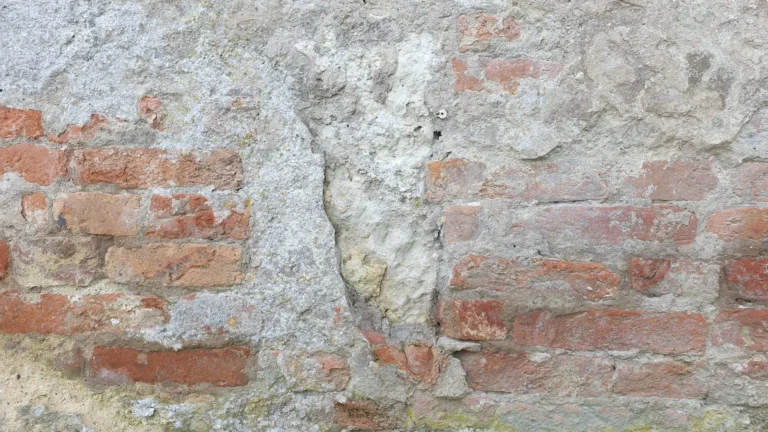
Stucco is a cement-based plaster troweled onto the wall in layers. It is a staple across the Southwest and Mediterranean-style homes.
- Look: smooth or textured, continuous, available in any color
- Lifespan: 50+ years when installed correctly
- Maintenance: low, but cracks should be patched promptly
- Cost: about $6–$12 per square foot installed
Stucco performs best in dry climates. In wet or freeze-thaw regions it can trap moisture if flashed incorrectly, so proper installation and drainage matter more than with other materials.
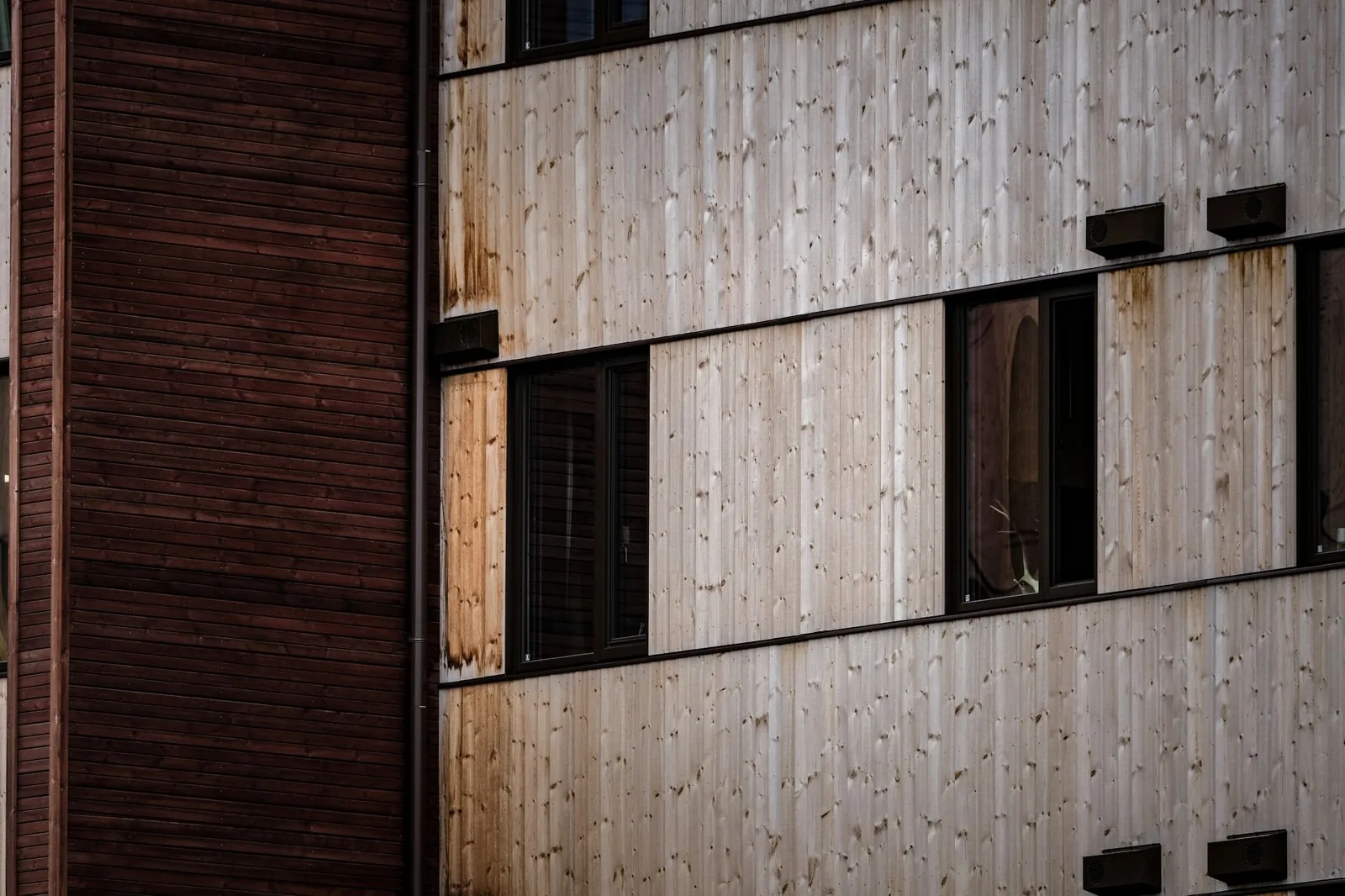
Photo by Francesco Ungaro via Pexels
House Cladding Materials Compared
If you are trying to choose between the main options at a glance, this table lays out the key trade-offs. Prices are installed ranges for a typical single-family home, in US dollars.
| Feature | Vinyl Siding | Wood Cladding | Fiber Cement | Metal Cladding |
|---|---|---|---|---|
| Installed cost (per sq ft) | $3–$12 | $5–$13 | $5–$13.50 | $4–$16 |
| Typical lifespan | 20–40 yrs | 20–40 yrs | 30–50 yrs | 40–70 yrs |
| Maintenance | Very low | High (repaint 4–7 yrs) | Low–moderate (repaint 10–15 yrs) | Very low |
| Fire resistance | Low | Low | High | High |
| Look | Uniform, versatile | Warm, natural | Wood-like, crisp | Sleek, modern |
No single material wins every category. Vinyl leads on upfront cost, metal and fiber cement lead on durability and fire resistance, and wood leads on appearance for buyers who value a natural finish above all else.
What House Cladding Costs
Labor is usually the bigger half of a cladding bill, so installed figures matter more than raw material prices. For a 1,500-square-foot home, you can expect the following rough project totals:
- Vinyl siding: $6,000–$16,500
- Wood cladding: $9,000–$20,000
- Fiber cement: $10,000–$22,000
- Metal cladding: $8,000–$25,000
- Brick veneer: $15,000–$30,000
- Stone veneer: $16,000–$35,000
Several factors move these numbers. Homes with multiple stories, complex rooflines, or lots of windows and corners cost more per square foot because of the extra cutting and scaffolding. Removing the old cladding, repairing any rot found underneath, and adding insulation all push the total higher. Getting at least three written quotes is the best way to see the true range in your area — and it usually reveals a spread of thousands of dollars between contractors for identical work.
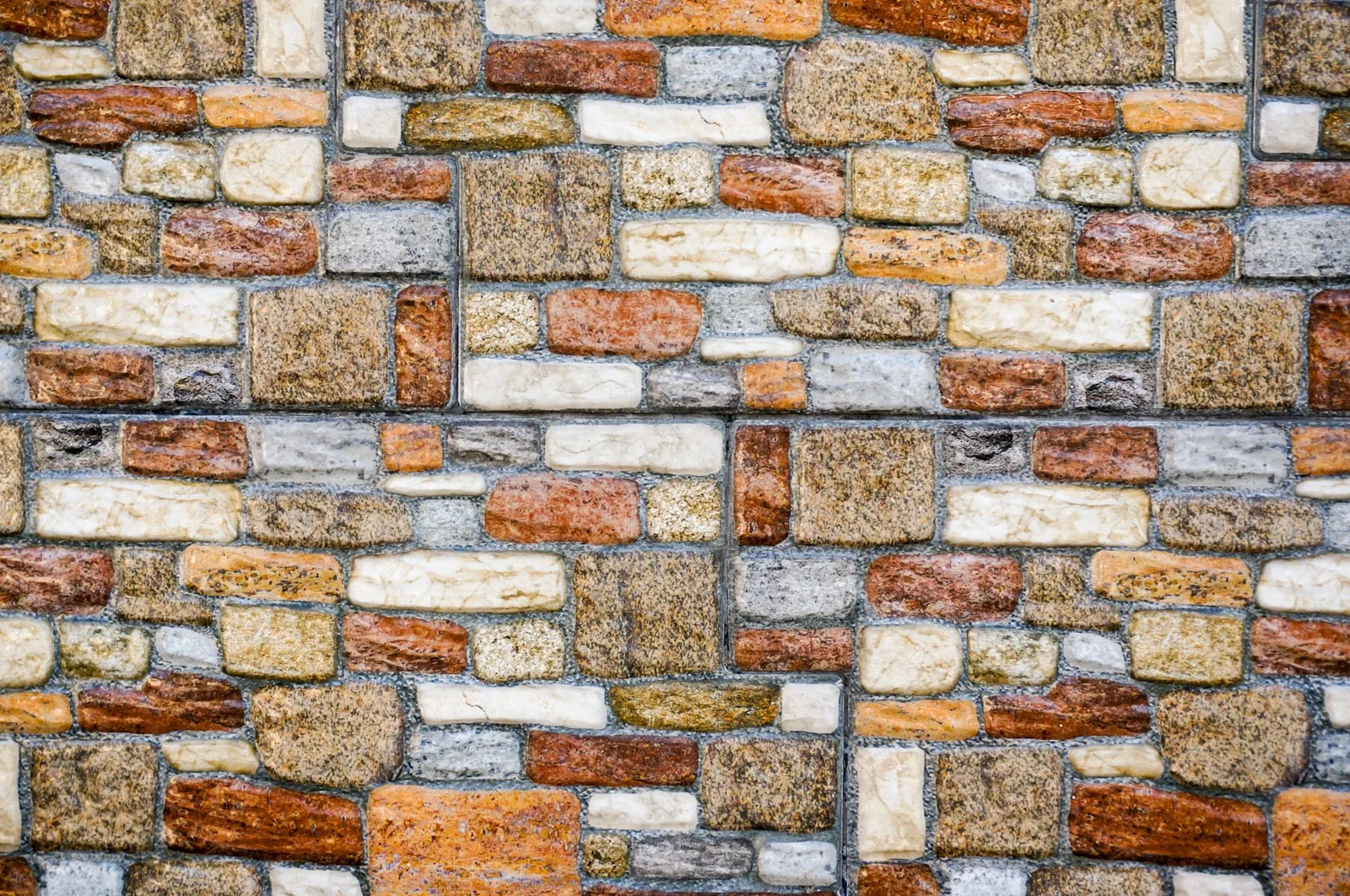
Photo by Firman Marek_Brew via Pexels
How to Choose Cladding for Your Home
With six solid options in front of you, the decision usually comes down to four questions.
What is your climate? If you live somewhere with harsh winters and freeze-thaw cycles, a durable, low-maintenance material like fiber cement or metal makes more sense than raw wood. In hot, dry regions, stucco and brick perform beautifully.
What is your budget? Vinyl is the clear winner if money is tight. If you can spend more upfront, fiber cement or metal typically pay back in lower maintenance and longer life.
How much maintenance will you actually do? Be honest. If you will not repaint a wood house every few years, do not buy one. Choose vinyl, metal, or brick and skip the upkeep.
What suits the home’s style? A mid-century ranch and a coastal cottage call for very different cladding. Look at the existing architecture before you fall in love with a material that fights it.
Mixing materials is also on the table. A common approach is a durable primary cladding — fiber cement or metal — with stone or brick veneer accents around the entry. It adds visual interest without breaking the budget.
Design Ideas Worth Stealing
Once you settle on a material, the styling choices are where a house starts to feel personal. A few approaches that consistently look good:
- Board-and-batten vertical lines on a modern farmhouse, paired with a light neutral color
- Mixed-width horizontal lap for a subtle rhythm that reads more custom than standard siding
- Dark metal with warm wood accents for a contemporary look that photographs well
- White brick or fiber cement with black windows for a crisp, timeless contrast
- Stone veneer on the lower third to ground the facade and add texture near the foundation
For a deeper look at specific materials, check out our guide to metal siding for modern homes and our breakdown of wood siding pros and cons. If you are still weighing options side by side, our house siding options compared article goes further on the trade-offs.
Frequently Asked Questions
What is the cheapest house cladding material?
Vinyl siding is consistently the cheapest option to buy and install, typically running $3–$12 per square foot installed. For a standard home, that often translates to a project cost under $10,000, making it the budget-friendly default across North America.
What is the most durable cladding for a house?
Brick and stone are the most durable over a full century, but they are also the priciest. Among the more affordable materials, metal cladding often lasts 40–70 years and fiber cement 30–50 years, both with minimal maintenance compared to wood.
Do I need planning permission to change my cladding?
In the US and most of Canada, replacing cladding generally falls under ordinary maintenance and does not require a permit, though local rules and HOAs vary. In the UK and parts of Australia, changing the exterior material of a home can require planning permission or building regulations approval, so check with your local authority before starting.
Can I install cladding over my existing siding?
Sometimes. Vinyl and some thin veneers can often be installed over sound existing siding, which saves on removal and disposal costs. However, installing over damaged, rotted, or uneven surfaces is a bad idea, and many fiber cement and stucco systems need a clean, flat substrate. A reputable installer should inspect the wall before promising anything.
The Bottom Line
Choosing between house cladding ideas and materials is really a decision about how you want to spend your money now versus later. Vinyl is cheap today but shows its age sooner. Wood is gorgeous but demands upkeep. Fiber cement and metal cost more upfront and then quietly do their job for decades. Brick and stone are the premium end — expensive, durable, and timeless.
Match the material to your climate, your budget, and the maintenance you are honestly willing to do, and you will end up with an exterior that protects the house and looks great for years. Get at least three quotes, ask to see examples of past work, and confirm the warranty before you sign. For more on what a re-side actually costs, see This Old House‘s siding cost guide or Bob Vila‘s overview of siding types.