
Popular House Siding Colors 2026: The Top Trends Homeowners Are Choosing
Choosing the most popular house siding colors 2026 is one of the fastest ways to lift your home’s curb appeal without touching the floor plan. Siding covers the largest visible surface of a house, so the color you commit to sets the tone for your trim, roof, front door, and landscaping all at once. This year, homeowners are pulling back from the cold grays that dominated the late 2010s and leaning into warmer, more grounded palettes that feel comfortable from the street.
The popular house siding colors 2026 designers and buyers are gravitating toward fall into three broad camps: warm neutrals such as greige and soft white, earthy greens and organic browns, and deep charcoals with near-black accents. How each color reads depends heavily on your material. A greige looks softer on cedar than it does on smooth fiber cement, which is exactly why color and cladding should be chosen together, not one after the other.
Why Siding Color Drives Home Value
Paint and siding color are among the few exterior upgrades that pay back on resale. Real estate pros routinely point to a fresh, current exterior as one of the lowest-cost ways to make a listing look move-in ready. Zillow’s own paint-color studies have found that certain exterior colors can shift a home’s sale price by several thousand dollars in either direction, and buyers consistently respond to exteriors that feel current rather than dated.
Siding color also does practical work. Lighter colors reflect sunlight and can keep south- and west-facing walls a few degrees cooler in summer, while darker siding absorbs heat — a real consideration in hotter climates. On the durability side, your material matters more than your color: quality fiber cement and engineered vinyl hold their pigment far longer than budget paint, which fades fastest in direct sun.
The Most Popular House Siding Colors for 2026
If you want a shortlist, these are the popular house siding colors 2026 homeowners are actually buying, ranked roughly by how often they show up in new builds and remodels.
- Warm greige — a balanced mix of gray and beige that reads as a true neutral without going cold.
- Warm white and off-white — brighter than cream but softer than stark white, and the most resale-friendly option.
- Sage and olive green — muted, organic greens that pair beautifully with wood and black trim.
- Charcoal and near-black — a bold, modern statement that photographs well and hides grime.
- Taupe, clay, and mushroom — earthy browns that anchor a home to its landscaping.
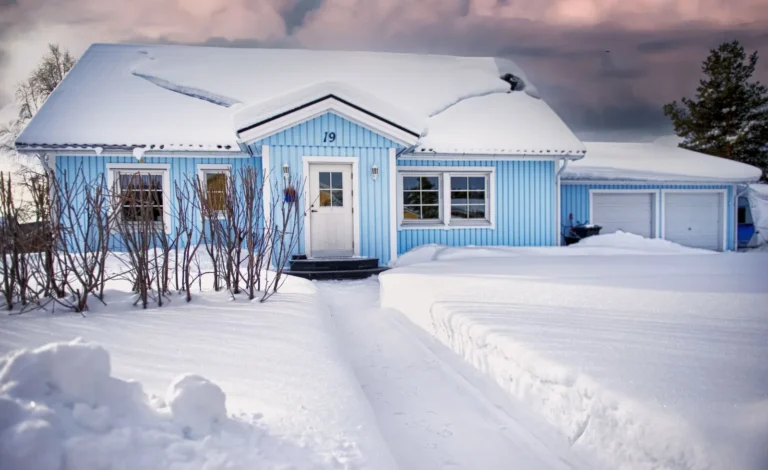
- Slate and dusty blue — a quieter alternative to navy that works across farmhouse and craftsman styles.
- Deep forest green — a richer step up from sage for homeowners who want drama without black.

Photo by burcubyzt_85 via Pexels
Warm Neutrals Are Replacing Cool Gray
For nearly a decade, “agreeable gray” and its cousins ruled American exteriors. That era is winding down. The shift is subtle — homeowners are not abandoning neutrals, they are warming them up — but the difference on a full facade is dramatic.
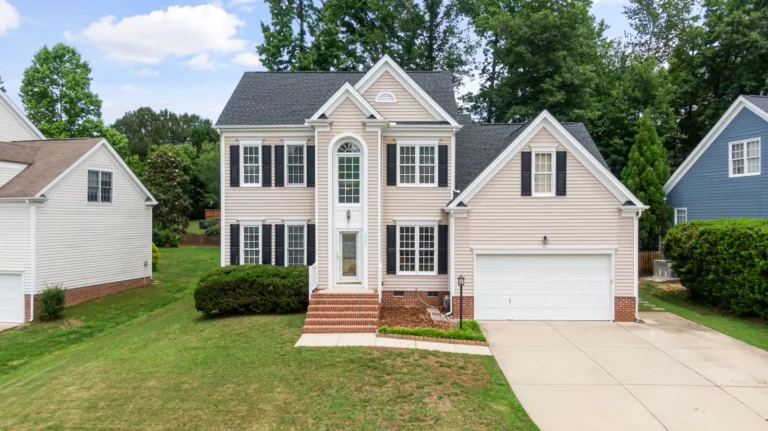
Greige is the workhorse of the popular house siding colors 2026. Because it balances warm beige undertones against a gray base, it flatters both red-brick accents and black-framed windows, which makes it unusually forgiving for a single, all-over color. Warm white is the safest pick of the bunch: it reflects light, enlarges the visual footprint of a smaller home, and appeals to the widest possible buyer pool when you eventually sell.
Pairing matters as much as the color itself. A warm-white siding reads crisp against a charcoal roof, while the same white can look flat next to a pale gray shingle. If you are choosing between two neutrals, hold physical samples against your roof and any stone or brick on the house before committing.
Earthy Greens and Organic Hues
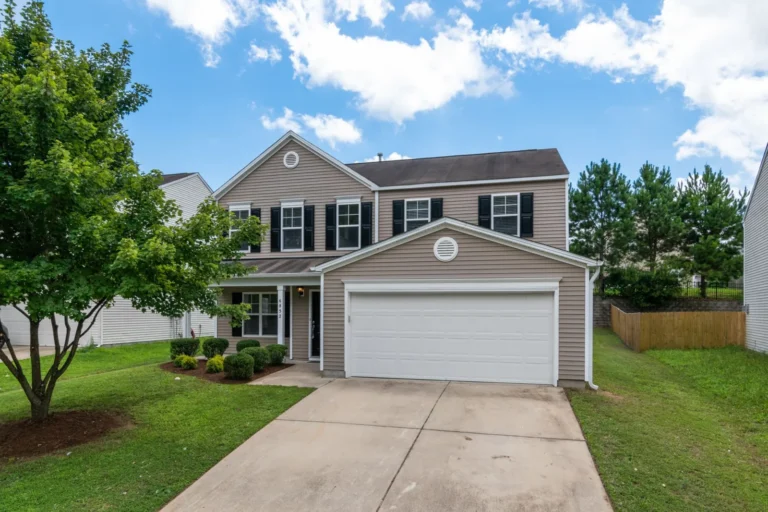
Green is the fastest-growing color family in exterior design, and the popular house siding colors 2026 lean organic rather than bright. Sage and olive are the entry points: they are muted enough to sit in a subdivision without shouting, yet distinctive enough to set a house apart from a street of beige ranches.
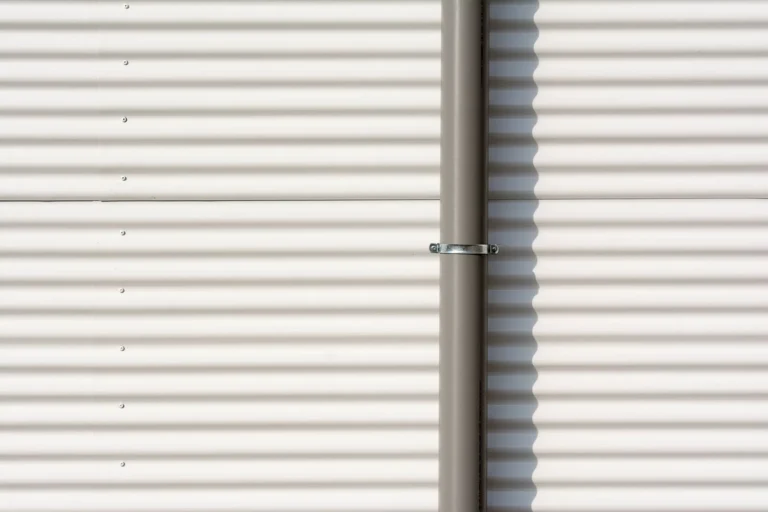
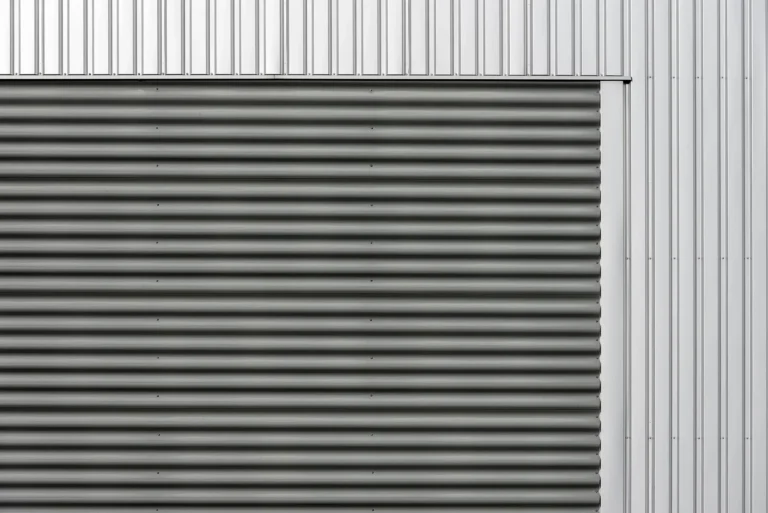
Sage works especially well on modern farmhouse and craftsman elevations, where it reads natural against white trim and a black or bronze front door. For a stronger statement, deep forest green has become a favorite for homes with stone accents and for steel and metal siding for modern homes, where the pigment sits flat and rich instead of getting lost in wood grain.
One practical note: green siding is most flattering when your landscaping is mature. A deep green house surrounded by new sod and bare mulch can look heavy, so budget for shrubs or a fresh planting bed in the same phase as the siding job.
Deep Charcoals and Near-Black
Dark exteriors stopped being a niche look several years ago, and they are holding steady into 2026. Charcoal, graphite, and true near-black are now common on both high-end contemporary builds and simple mid-century boxes, largely because the contrast with white trim and warm wood is so reliably sharp.
The trade-off is heat and maintenance. Dark siding absorbs more sun, which can raise cooling loads in warm climates and, on some vinyl products, shorten the life of the panel if it is not rated for dark colors. If you go dark, choose a material engineered for deep pigment — premium vinyl and fiber cement lines both carry dark-rated options — and expect to see dust and pollen more readily than you would on a light gray.

Photo by Marco Fischer via Pexels
Comparing the 2026 Siding Color Trends
| Color Family | Best Home Styles | Easiest Pairings | Watch-Outs |
|---|---|---|---|
| Warm greige | Colonial, ranch, craftsman | White trim, charcoal roof | Can look muddy in low light |
| Warm white | Cape, farmhouse, bungalow | Black or navy shutters | Shows dirt on lower panels |
| Sage / olive | Farmhouse, craftsman | Wood, black, bronze | Needs mature landscaping |
| Charcoal / near-black | Modern, mid-century | White, warm wood | Heat gain, visible pollen |
| Taupe / clay | Spanish, desert, ranch | Cream, terracotta | Limited resale pool |
| Slate / dusty blue | Coastal, cottage | White, soft gray | Fades faster than darker blues |
How to Choose the Right Siding Color
Picking from the popular house siding colors 2026 is easier when you anchor the decision to four factors: your home’s architecture, your neighborhood, your climate, and your resale timeline.
Architecture first. A charcoal modern box and a charcoal Victorian tell very different stories. Match the color to the style — earthy greens and warm neutrals suit traditional forms, while dark and dusty tones flatter contemporary geometry.
Neighborhood context. You do not need to match the house next door, but you should look at the street as a whole. A wildly different color can work, but it will read best if it is intentional and repeated in trim or a front door.
Climate. Light colors keep hot-climate homes cooler; dark colors suit cooler regions and shaded lots. If you live somewhere with intense sun, confirm your material’s fade warranty before ordering a saturated color.
Resale. If a sale is likely within five years, favor warm white, greige, or soft gray. If you plan to stay long-term, buy the color you actually want and skip the resale math.
What Siding Color Costs (and Doesn’t)
Color itself rarely changes your material price by more than a few percent, but it can change the total. Premium and dark-rated vinyl lines, custom fiber cement colors, and factory-painted steel all cost more than a builder-grade neutral, and labor is largely color-independent. For a full breakdown of what you will pay per square foot across materials, see our guide to house siding cost per square foot.
The bigger cost question is usually material, not pigment. If you are deciding between two claddings, vinyl siding vs fiber cement is the comparison most homeowners start with, since fiber cement holds deep and dark colors far longer than standard vinyl. Whichever you choose, buying a physical sample and leaving it on the sunniest wall for a week will tell you more about fade and undertone than any swatch online.
Frequently Asked Questions
What is the most popular house siding color in 2026?
Warm greige and warm white are the two most widely used siding colors in 2026. Both read as safe, current neutrals, and both resell well. Earthy greens — sage and olive — are the fastest-growing alternative for homeowners who want more character.
Are dark siding colors still in style for 2026?
Yes. Charcoal, graphite, and near-black remain popular in 2026, especially on modern and mid-century homes. The key is choosing a dark-rated material, since standard vinyl can warp or fade more quickly under direct sun when finished in a deep color.
What color siding has the best resale value?
Warm white and light greige have the broadest buyer appeal and the best resale track record. Unusual or very saturated colors can narrow your buyer pool, which is why real estate agents usually recommend neutral exteriors when a sale is planned within a few years.
Does siding color affect the temperature of my house?
Somewhat. Lighter siding reflects more sunlight and can keep exterior walls cooler in summer, while dark siding absorbs heat and may increase cooling costs in warm climates. The effect is real but smaller than insulation, attic ventilation, and window quality.
Can I paint my existing siding instead of replacing it?
Often, yes. Vinyl can be repainted with the right preparation and a vinyl-safe paint, and wood is straightforward to repaint. Fiber cement and stucco also take paint well. If your siding is failing rather than just faded, replacement is usually the better long-term value.
The Bottom Line
The popular house siding colors 2026 all point the same direction: warmer, more organic, and more confident than the cool grays of the past decade. Warm greige and soft white remain the safe, high-resale defaults, sage and olive green are the stylish middle path, and charcoal is still the strongest statement for modern homes.
Whatever color you land on, decide it against your actual roof, trim, and stone — and choose a material that will hold the pigment you want. Start with our house siding options compared guide to match a color to the right cladding, and check out thisoldhouse.com for tested siding installation advice before you hire. A well-chosen color, on the right material, is the most visible money you can spend on your home this year.