Exterior Paint Ideas for Two Story House: Colors, Schemes & Pro Tips
Few home upgrades change how a house reads from the street faster than a fresh coat of paint, and that is doubly true for a two-story home. Taller facades behave differently from the curb than a ranch or a single-level bungalow: there is more wall area, more shadow, and more trim, so the colors you choose have to hold up across a bigger, more vertical surface. If you are hunting for exterior paint ideas for two story house facades, you have come to the right place.
A two-story exterior exposes every decision you make. A color that looks crisp on a four-inch sample chip can turn flat or heavy stretched across 1,800 square feet of siding. The good news is that a handful of proven palettes and a little trim strategy make a two-story home look balanced, expensive, and current instead of top-heavy. Below, we walk through the most reliable schemes, the trim rules that actually matter, and what the job tends to cost.
Why Two-Story Homes Need a Different Paint Strategy
A single-story home keeps most of its visual weight close to the ground, so almost any color can work. A two-story house stacks two full floors of siding on top of one another, which means light, shadow, and scale all shift.
Three things make tall facades harder to paint well:
- More surface, more exposure. The upper floor catches direct sun and weather far more than a low wall does, so paint fade and chalking show up sooner on the second story.
- Vertical proportions change color perception. Dark colors look deeper and heavier on a tall wall than they do on a sample card, while very light colors can wash out the house’s shape.
- Trim is a bigger player. Two-story homes usually have more windows, more fascia, and more corners to accent. Get the trim wrong and the whole scheme falls apart.
That is why the best exterior paint ideas for two story house projects are not just “pick a nice color.” They are about creating a scheme that anchors the home, breaks up the height, and draws the eye to the right places.
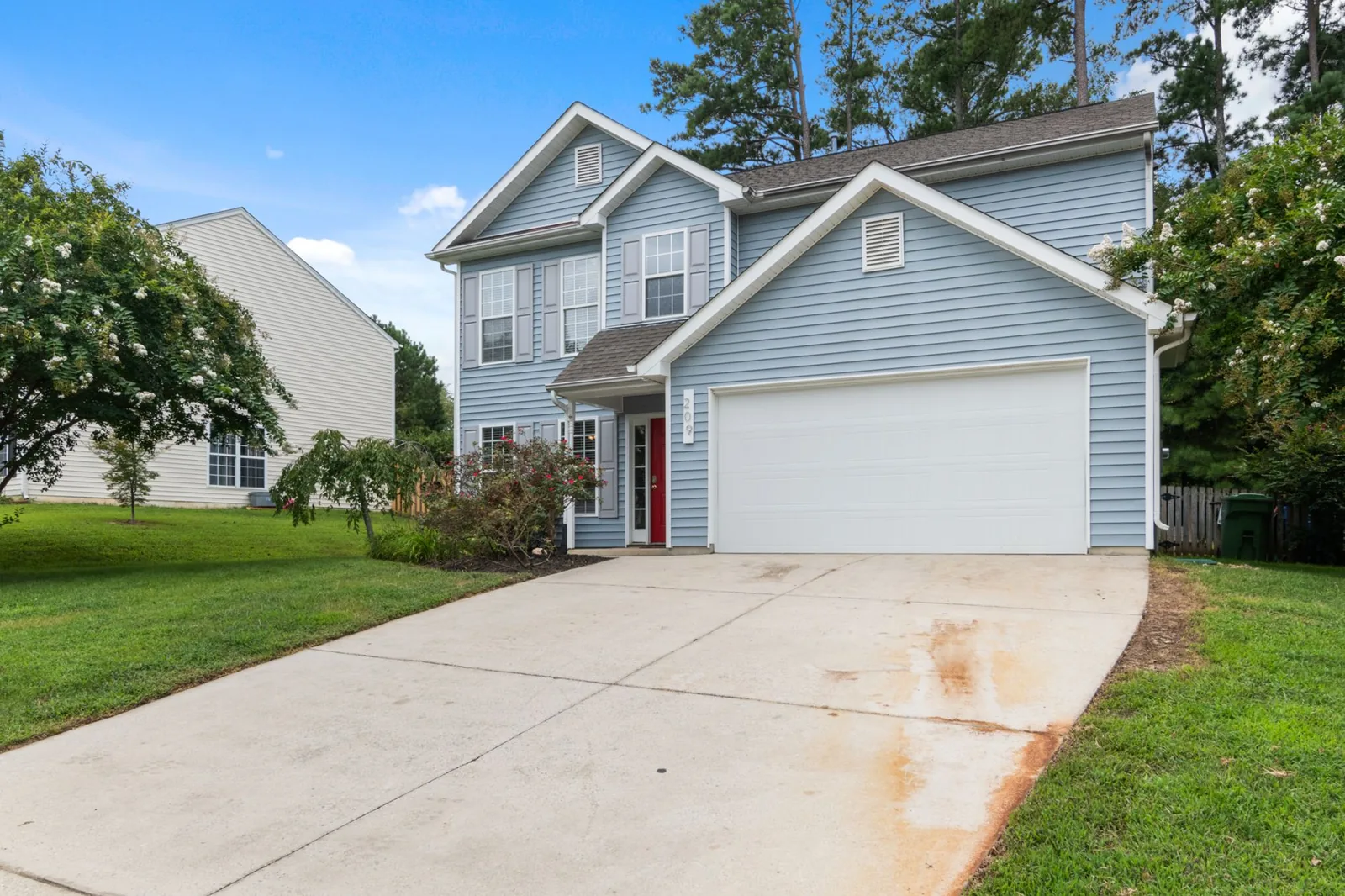
Photo by Curtis Adams via Pexels
The Best Exterior Paint Ideas for Two Story House
These are the palettes that hold up on tall facades year after year. Each one gives you a base color, a trim strategy, and a sense of the style it delivers.
Warm Neutrals With Crisp White Trim
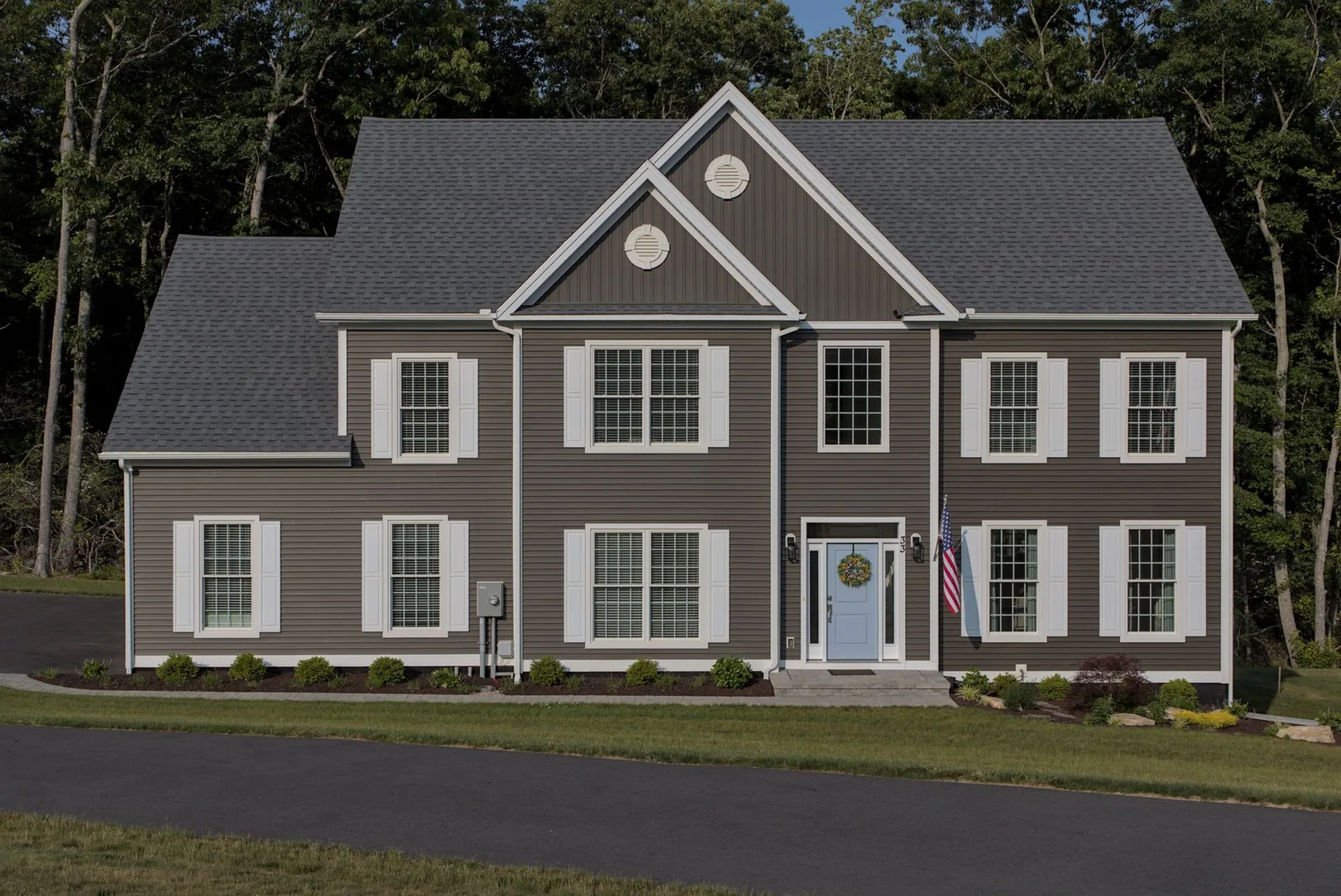
Greige, warm taupe, and soft sand are the safest, most flexible choices for a two-story exterior. A warm neutral like Sherwin-Williams Agreeable Gray or Benjamin Moore Revere Pewter reads welcoming without being boring, and it gives the crisp white trim something to frame. This is the look most buyers respond to, which matters if resale is on your mind.
Classic White With Black Accents
A bright white body with black or charcoal window sashes and fascia is the farmhouse-modern look that has dominated neighborhoods for the past five years. On a two-story home it works because the dark accents trace the house’s structure, giving the facade definition instead of letting it read as one flat white wall.
Navy or Charcoal With Warm Wood
Deep blue or near-black siding paired with natural wood accents — a stained front door, cedar brackets, or a wood porch ceiling — is bold but grounded. On a two-story home, the dark body shrinks the visual bulk of the second story, while the wood adds warmth so the house does not feel cold or institutional.
Soft Sage or Muted Green
Sage green, olive, and muted gray-greens sit beautifully against landscaping and never fight with a lawn or mature trees. They are an easy way to add personality to a two-story home without going trendy. Pair them with cream or off-white trim rather than stark white for a softer transition.
Light Blue or Coastal Gray
On homes near water, or any two-story house with a lot of daylight, light blues and blue-grays keep the facade airy and open. These colors reflect heat well and make a tall home feel lighter and less imposing from the street.
Two-Tone Schemes That Ground a Tall Facade
One of the smartest exterior paint ideas for two story house facades is to use two colors deliberately, rather than one color with accent trim. Two-tone painting uses a darker or more saturated color on one plane and a lighter color on another to break up the height.
Common ways to split a two-story exterior:
- Dark bottom, light top. A deep gray or blue on the first floor with a lighter shade above pulls the visual weight down toward the ground and makes the home feel sturdier.
- Light bottom, dark top. Less common, but striking on modern builds — it can emphasize height, which works when you want a dramatic, vertical statement.
- Color-blocked sections. Painting a recessed entry, a bump-out, or the garage differently from the main body adds architectural interest without adding a third color.
If the idea of committing to a full two-tone job feels like a lot, start smaller: paint the shutters, the front door, and the fascia in an accent color and see how the facade responds before you buy gallons of a second body color.
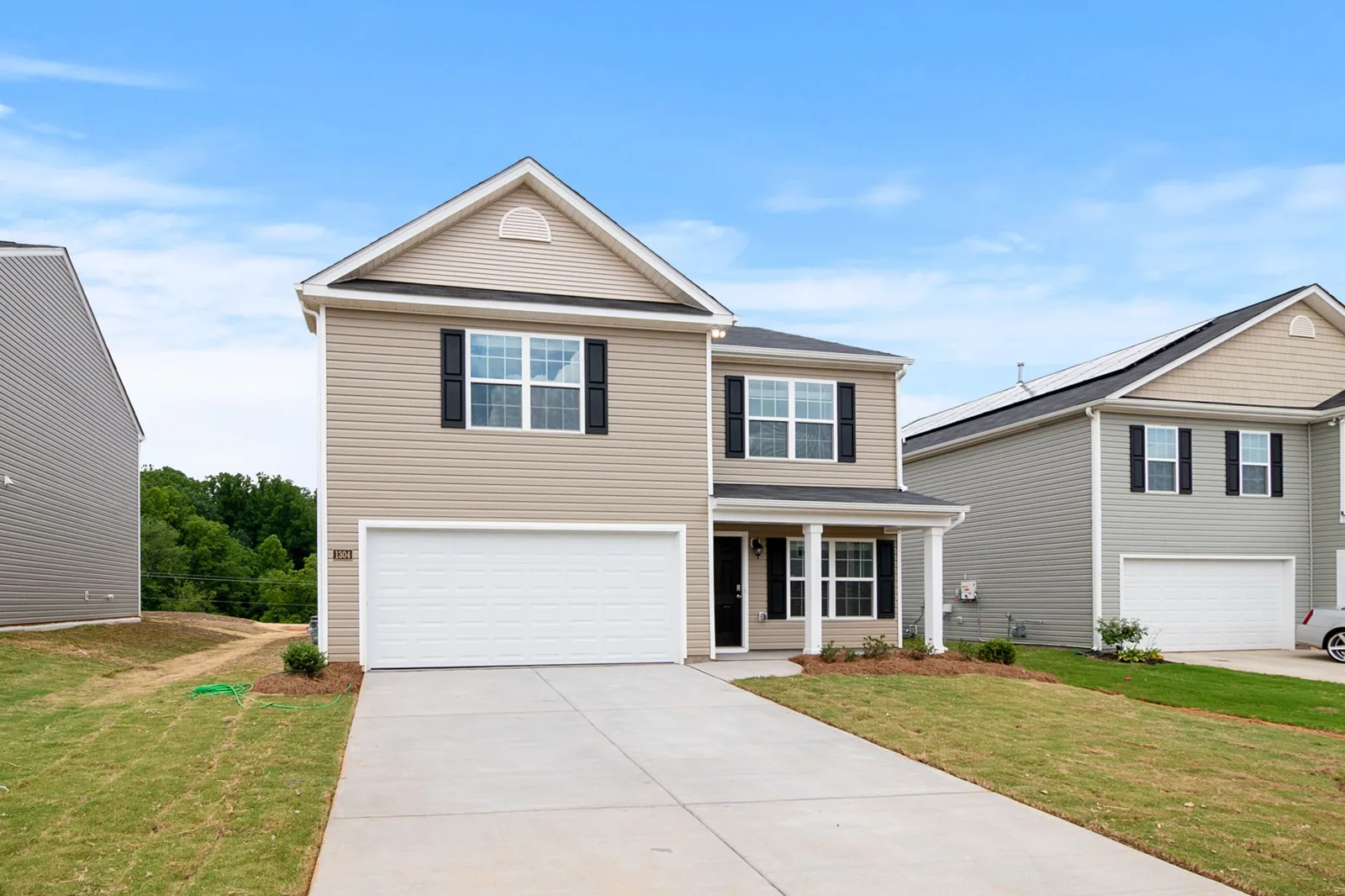
Photo by Curtis Adams via Pexels
How to Choose Trim and Accent Colors
Trim does more work on a two-story house than on any other style, so it deserves its own decision-making pass.
A few rules that professional painters rely on:
- Keep the trim count low. Two to three total colors — body, trim, and one accent — is the sweet spot. More than that and a tall facade starts to look busy.
- White is not your only trim option. Cream, warm off-white, and even a lighter version of the body color all work and often look more custom than stark white.
- Match the accent to the door and shutters. The front door is the easiest place to spend your one bold accent color, since it is a small area with big curb-appeal return.
- Consider the roof. Trim should relate to the roof color as much as the siding. A brown roof calls for warm trim tones; a gray or black roof can handle cooler whites and darker accents.
If you want to go deeper on picking the right secondary color, our guide to how to choose exterior trim color walks through the full process step by step.
Popular Two-Story Paint Schemes Compared
If you are weighing a few directions, this table lays out the most common two-story palettes side by side so you can see the trade-offs.
| Feature | Warm Neutral + White | White + Black | Navy + Wood | Soft Sage + Cream |
|---|---|---|---|---|
| Style vibe | Timeless, safe, resale-friendly | Modern farmhouse, crisp | Bold, grounded, upscale | Organic, calm, landscape-friendly |
| Best home style | Traditional, colonial, brick | Craftsman, farmhouse, new build | Contemporary, Cape Cod, lake house | Bungalow, cottage, craftsman |
| Hides dirt and fading | Good | Fair (white shows grime) | Good | Good |
| Resale appeal | Excellent | Very good | Good | Good |
| Typical repaint cycle | 8–12 years | 6–9 years | 7–10 years | 7–10 years |
| Risk level | Low | Medium (can read flat) | Medium (needs warm accents) | Low |
The honest takeaway: warm neutrals and sage are the low-risk routes, while white-with-black and navy-with-wood pay off bigger when the trim and accents are done well.
What It Costs to Paint a Two-Story Exterior
Painting a two-story house costs more than a single-story for one simple reason: height. The second story usually means ladders, scaffolding, or a lift, which adds labor hours and safety cost.
As a rough guide, professional exterior painting in the U.S. typically runs between $1.50 and $4.00 per square foot of paintable surface, with most full-home jobs landing between $3,000 and $8,000 depending on region, prep work, and paint quality. A two-story home with complex trim or peeling paint will trend toward the top of that range.
Ways to keep the bill down without cutting corners:
- Do prep yourself. Scraping, caulking, and washing the siding save the painters time, which saves you money.
- Get three quotes. Pricing varies wildly by market, and a second or third bid often reveals the outliers.
- Use fewer colors. Each additional color adds setup and cleanup time, so a two- or three-color scheme is cheaper than a five-color one.
- Paint in the off-season. Contractors discount in late fall and early spring when demand drops.
Frequently Asked Questions
What are the best exterior paint colors for a two-story house?
Warm neutrals like greige and taupe, classic white with black accents, deep navy or charcoal, and soft sage green all perform well on tall facades. The best choice depends on your home’s style, your roof color, and how bold you want to go.
Should a two-story house be painted one color or two?
Both work. One color with contrasting trim is the classic, lower-cost route. A two-tone scheme — usually a darker lower story with a lighter upper story — adds depth and makes a tall facade feel more grounded. Either way, stick to three colors total.
How much does it cost to paint a two-story house?
Most homeowners spend between $3,000 and $8,000 for a full exterior, or roughly $1.50 to $4.00 per square foot. Two-story homes cost more than single-story because the upper floor requires ladders or scaffolding.
How often does a two-story exterior need repainting?
With quality paint and proper prep, expect 7 to 12 years. Lighter colors and south-facing walls may fade faster, while darker colors can chalk sooner. Watch the upper story, since it gets the most direct sun.
Do dark colors make a two-story house look smaller?
Yes. Dark siding absorbs light and reduces visual bulk, which can make a tall, boxy second story look less imposing. Balance it with lighter trim or warm wood accents so the home still feels inviting.
The Bottom Line
The right paint scheme is one of the highest-return upgrades you can make to a two-story home, and it costs a fraction of a re-side. Focus on a base color that suits the house’s style, a trim color that frames it, and a single bold accent on the door — then resist the urge to add a fourth color.
If you are ready to explore palettes further, start with our roundup of the best exterior paint colors 2026 and our guide to exterior paint color combinations for houses. For a deeper look at how paint holds up over time, This Old House has a solid breakdown of choosing exterior paint, and Better Homes & Gardens covers exterior color schemes worth studying before you commit.
Take your time with samples, test them on the actual siding in morning and afternoon light, and you will end up with a two-story facade you are proud to come home to.