Masonry Paint vs Limewash: Which Exterior Finish Is Right for Your Home?
If you have a brick, stone, or stucco exterior, you have probably hit the same fork in the road: do you seal it in with masonry paint, or let it breathe under a coat of limewash? The masonry paint vs limewash decision is not just about color. It changes how your walls handle moisture, how often you repaint, and what your house looks like five years from now.
Masonry paint is a thick, pigmented coating that sits on top of the surface and seals it. Limewash is a thin, mineral-based wash that soaks into the masonry and weathers over time. Both have loyal followings, and both can look great. But they suit very different homes and very different goals.
This guide walks through cost, durability, breathability, and maintenance so you can choose the right one the first time.
What Is Masonry Paint?
Masonry paint is a heavy-duty exterior coating designed specifically for brick, block, concrete, render, and stucco. Unlike regular wall paint, it is formulated to grip porous surfaces and stand up to wind-driven rain, UV light, and freeze-thaw cycles.
Most masonry paints fall into one of two camps:
- Acrylic (water-based): Flexible, fast-drying, and the most common choice for homeowners. Brands like Dulux Trade Weathershield, Sherwin-Williams Loxon, and Behr Premium Masonry, Stucco & Brick paint lead this category.
- Elastomeric: A thicker, rubber-like film that bridges hairline cracks. It is great for block walls that move, but it is overkill on sound brick.
A typical gallon of acrylic masonry paint runs $25 to $60 and covers roughly 200 to 400 square feet per coat, depending on surface texture. Most jobs need two coats, plus a stabilizing primer on chalky or powdery surfaces.
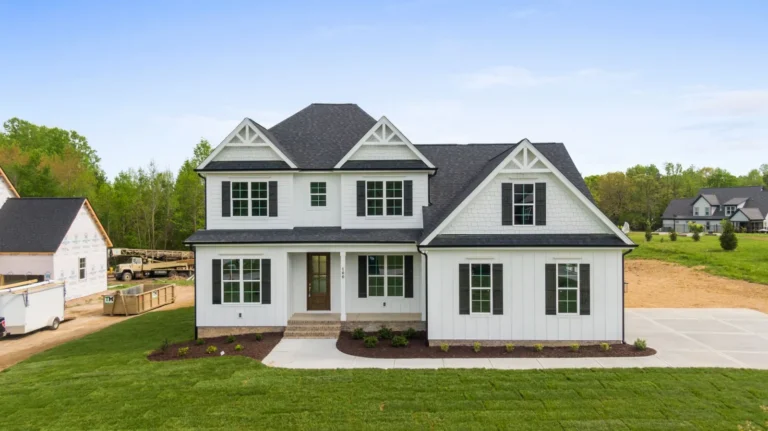
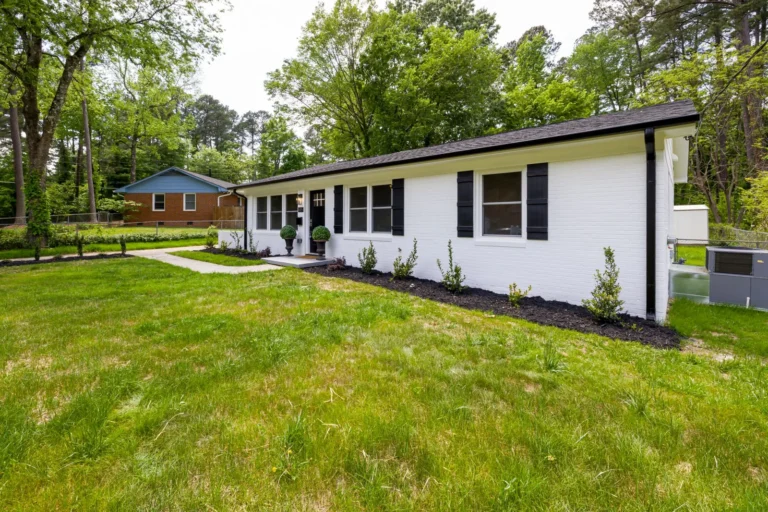
The result is a smooth, uniform, satin or flat finish that locks in one flat color. If you want your 1970s red brick to look like crisp white render, masonry paint is the fastest way to get there.
What Is Limewash?
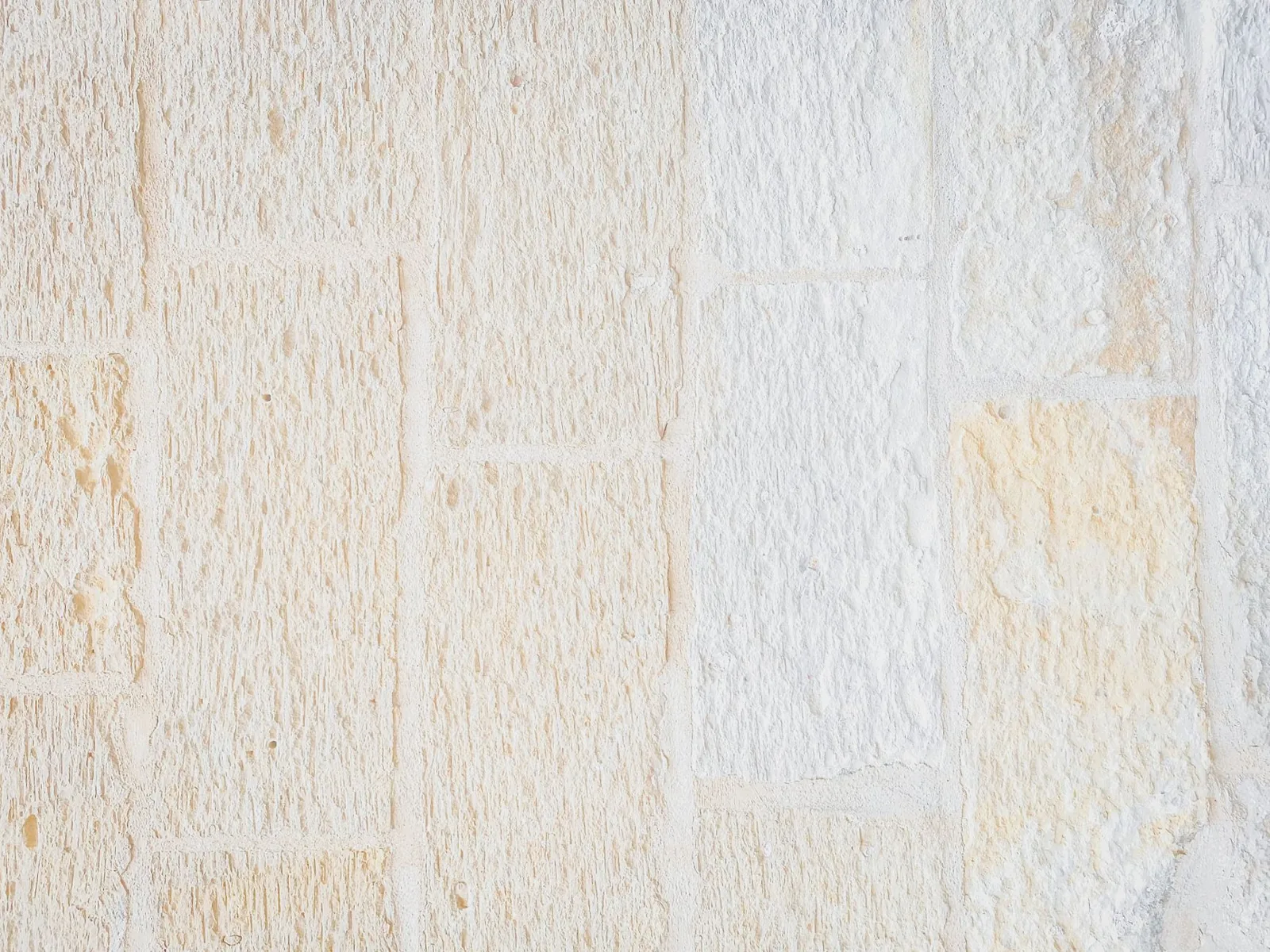
Limewash is one of the oldest wall finishes on the planet, used on everything from Roman villas to English cottages. It is made from crushed, burnt limestone (calcium hydroxide) mixed with water and natural pigments. When it dries, it carbonates back into limestone, fusing lightly with the surface rather than forming a plastic film on top of it.
Modern limewash comes in two forms:
- Traditional lime putty wash: Mixed on site from lime putty, water, and pigment. Cheap to make, more skill to apply.
- Ready-mixed mineral limewash: Sold in pails by brands like Bauwerk Colour, Pure & Original, and Earthborn. Consistent color, easier to apply, and far more forgiving for DIY work.
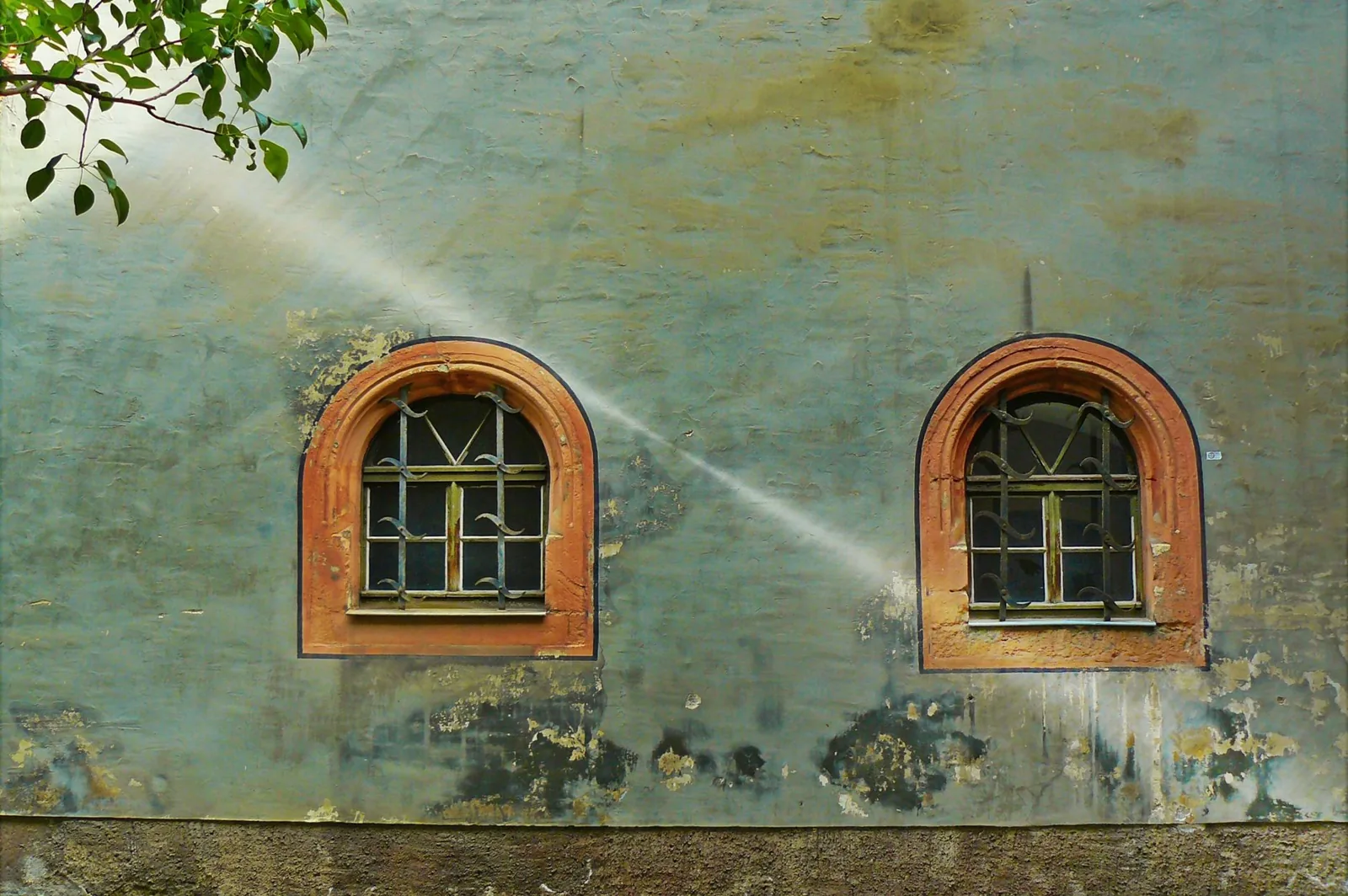
Photo by Pixabay via Pexels
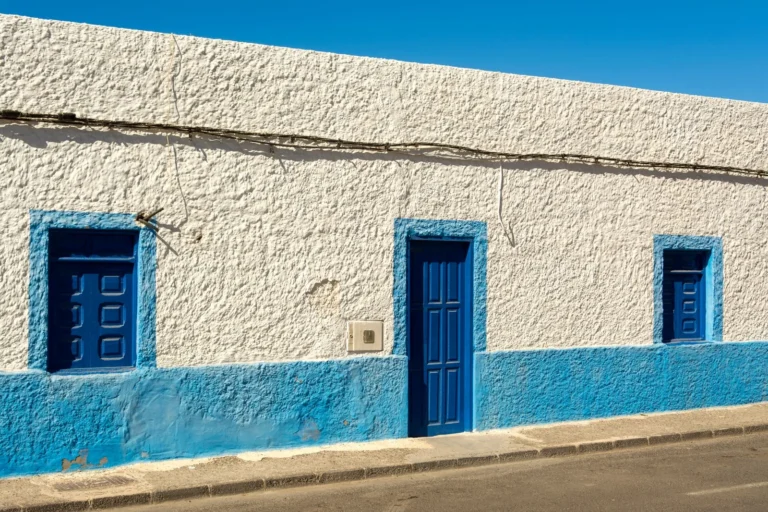
Limewash is applied in multiple thin coats—often three or four—and each coat is translucent. That layering is what gives limewash its signature look: a soft, mottled, chalky depth that shifts in the light. You cannot replicate that effect with standard paint.
Masonry Paint vs Limewash: Key Differences at a Glance
The easiest way to see how these two finishes stack up is side by side.
| Feature | Masonry Paint | Limewash |
|---|---|---|
| Material cost per sq ft | $0.25–$1.00 | $0.30–$1.20 |
| Coats needed | 2 | 3–4 |
| Finish | Uniform, flat or satin | Soft, mottled, matte |
| Breathability | Low (seals surface) | High (lets walls breathe) |
| Lifespan | 10–15 years | 5–10 years, weathers gracefully |
| Repainting | Strip or prime + repaint | Just add new coats |
| Best for | Modern, uniform look | Historic, rustic, weathered look |
The table captures the core trade-off. Masonry paint gives you a durable, predictable, low-maintenance skin. Limewash gives you character and breathability but asks for more upkeep and a steadier hand.
Masonry Paint vs Limewash: Cost Comparison
Let’s put real numbers on the masonry paint vs limewash choice for a typical two-story brick home with about 1,800 square feet of exterior wall.
Masonry paint materials for 1,800 sq ft: at 250 sq ft per gallon per coat, you need roughly 7 gallons per coat, or 14 gallons for two coats. At $35 a gallon, that is about $490 in paint, plus primer and sundries. Hiring a pro to wash, prep, prime, and spray two coats typically lands between $4,500 and $8,000 for a house this size.
Limewash materials for the same house: ready-mixed limewash covers about 250–350 sq ft per gallon per coat. Three coats over 1,800 sq ft works out to roughly 16–20 gallons. At $45–$70 a gallon for premium mineral limewash, materials run $800 to $1,400. Professional application usually costs $5,000 to $10,000, since the multi-coat, working-wet process is more labor-intensive.
So limewash is the more expensive route up front, mostly because of the extra coats and the labor to apply them evenly. The silver lining is the back end: you do not strip limewash. When it fades, you simply wash the wall and add another coat, which keeps long-term maintenance lower than you might expect.
Photo by Jan van der Wolf via Pexels
Durability and Maintenance
Masonry paint wins on raw durability. A quality acrylic masonry paint will hold its color and keep water out for 10 to 15 years before it needs a refresh. Because the finish is a sealed film, dirt and mildew tend to sit on the surface, which makes it easy to clean with a soft brush and soapy water.
The catch is the repaint. When masonry paint eventually fails, it fails as peeling sheets. You have to scrape or power-wash the loose film, spot-prime, and repaint—or the new coat will simply lift with the old one.
Limewash is the opposite. It does not peel, because it does not form a film. Instead, it slowly wears away from rain and sun, especially on wind-facing walls. You can expect to recoat every 5 to 10 years, and recoating is genuinely simple: brush on a fresh coat, and it bonds directly with the lime still in the wall. There is no stripping, no sanding, no primer.
If you hate repainting, masonry paint is the safer bet. If you are fine with a seasonal touch-up ritual in exchange for a finish that never peels, limewash earns its keep.
Breathability and Moisture Control
This is where the two finishes part ways, and where limewash has a real technical advantage on old homes.
Older brick and stone walls are built to absorb moisture and release it slowly. When you coat them in a waterproof film like masonry paint, you trap any moisture that finds its way in—from rising damp, cracked pointing, or interior humidity. Trapped moisture can then freeze in winter and spall the face off the brick. That is why heritage organizations and builders who work on pre-1900 homes generally steer away from film-forming paint.
Limewash breathes. Water vapor passes through it freely, so the wall keeps drying out the way it was designed to. It is also naturally alkaline, which makes it mildly antifungal—mold and algae struggle to take hold on a freshly limed wall.
If your house is a modern cavity-wall build with a proper vapor barrier, masonry paint’s low breathability is not a problem. If it is a solid-wall historic home, breathability should probably tip the scale toward limewash.
Which Finish Is Right for Your Home?
Your answer to masonry paint vs limewash mostly comes down to the age of your house and the look you want.
Choose masonry paint if you:
- Want a uniform, modern, flat color that hides the original brick entirely.
- Have a newer cavity-wall home with adequate drainage.
- Want maximum weatherproofing with the least frequent maintenance.
- Prefer a crisp, clean, “new build” aesthetic.
Choose limewash if you:
- Have a solid-wall brick, stone, or stucco home that needs to breathe.
- Love the soft, mottled, old-world look—especially on cottages, barns, and Mediterranean-style homes.
- Are repainting a listed or historic property where breathability matters.
- Do not mind recoating every few years and enjoy a finish that improves as it weathers.
There is a middle path too. Some homeowners limewash the main facade for character and use masonry paint on sheltered side and rear walls where durability matters more. There is no rule that says you must pick one for the whole house.
Frequently Asked Questions
Can I apply masonry paint over old limewash?
Yes, but you must prepare the surface. Wash off any loose or chalky lime, apply a stabilizing primer, and make sure the wall is completely dry. Bare in mind that once you paint over limewash with a film-forming product, you have sealed the wall—going back to limewash later means stripping the paint first.
Can I apply limewash over existing masonry paint?
Generally no. Limewash needs a porous, mineral surface to bond and carbonate. Over a sealed masonry paint film it will sit on top and wash off within a season or two. You would need to strip or sand the paint back to bare masonry first.
How long does masonry paint last compared to limewash?
Masonry paint typically lasts 10 to 15 years before peeling. Limewash wears gradually and usually needs a recoat every 5 to 10 years, though many homeowners recoat high-exposure walls sooner.
Is limewash waterproof?
No. Limewash is water-resistant to light rain and highly breathable, but it is not a waterproofing film. On walls exposed to driving rain, limewash simply weathers faster. If waterproofing is your priority, masonry paint is the stronger choice.
Does limewash only come in white?
No. While classic white is the most common, modern mineral limewash is available in a wide range of earth tones, grays, and muted pastels from brands like Bauwerk Colour and Pure & Original. The finish stays matte and mottled regardless of the pigment.
The Bottom Line
The masonry paint vs limewash decision is really a question of what your walls need to do. Masonry paint is the practical, durable choice: it seals, it protects, and it delivers a crisp uniform color for 10 to 15 years. Limewash is the character choice: it breathes, it weathers, and it gives historic masonry the depth that modern paint cannot match.
For a modern cavity-wall home that you want to look fresh and clean, masonry paint is hard to beat. For a solid-wall brick or stone house—especially anything with real age—limewash is the finish the walls were built for. If you want to see how limewash ages on real brick before committing, The Old House has a practical explainer on the technique and what to expect.
Whichever way you lean, start by checking your wall type and your tolerance for maintenance. If you are still weighing your options, browse our guide to the best exterior paint colors for 2026, compare the top exterior paint brands, or explore white house exterior color schemes to see how both finishes look in real-world palettes.