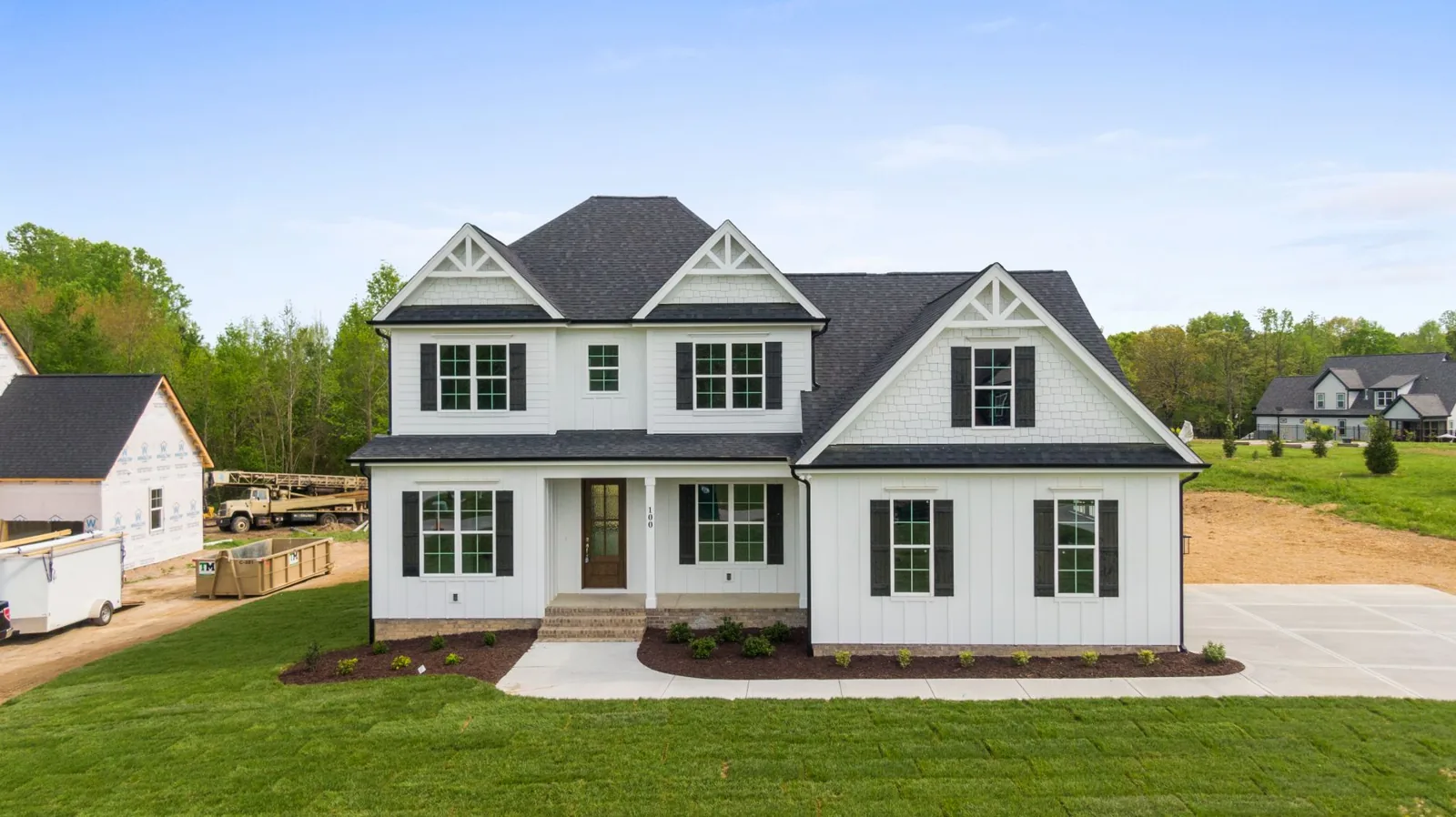
White House Exterior Color Schemes That Boost Curb Appeal
A white house never really goes out of style, but “white” is rarely just white. Walk any older neighborhood and you’ll spot a dozen different whites: crisp and cool, creamy and warm, grayed and modern. The difference between a white exterior that looks sharp and one that looks flat or dingy comes down to the exact shade, the trim color you pair it with, and how the sun hits the surface at different times of day.
This guide walks through white house exterior color schemes that actually hold up in full sun, match your roof and landscaping, and suit your home’s architecture. We’ll cover the best white shades by brand, which trim and accent colors work, what a professional repaint costs, and how to keep a white exterior looking clean year-round.
Why White Works — and Where It Goes Wrong
White is the most forgiving exterior color you can pick. It reflects sunlight instead of absorbing it, which helps a house stay cooler in summer and keeps the siding from fading as fast as a dark color would. It also makes a small or boxy house read larger and brighter, which is why you’ll see it on everything from farmhouses to mid-century ranches to modern builds.
But a white exterior is also brutally honest. Any mildew, gutter stain, or dirt streak shows up immediately. Cheap paint yellows within a few seasons. And a white that’s too bright — the pure, un-tinted “ceiling white” sold at the hardware store — can look stark and clinical against a green lawn, almost like a blank sheet of paper.
The fix isn’t to avoid white. It’s to choose the right white and pair it with intentional trim and accent colors. Most of the time that means a white with a faint undertone rather than a true neutral.
Popular White House Exterior Color Schemes
Not all white house exterior color schemes are the same. The undertone in the white does most of the work, and it determines which trim colors will look intentional rather than accidental.
Crisp and Cool
A cool white carries a blue or gray undertone and looks best on homes with black, gray, or slate roofs. It reads clean and slightly modern.
- Sherwin-Williams Pure White (SW 7005) — a bright white with almost no yellow, popular on contemporary homes.
- Benjamin Moore Chantilly Lace (OC-65) — a crisp, airy white with a faint cool cast.
- Behr Ultra Pure White (PR-W15) — the go-to bright white for a high-contrast look.
Pair a cool white with dark charcoal or black trim and a bold front door in navy or forest green. The contrast is what gives the scheme its punch.
Warm and Creamy
Warm whites carry yellow, beige, or pink undertones and suit traditional homes, brick accents, and brown or warm-gray roofs. They look inviting rather than stark.
- Sherwin-Williams Alabaster (SW 7008) — a soft, warm white that flatters brick and stone.
- Benjamin Moore White Dove (OC-17) — a warmer white with a gentle greige undertone.
- Benjamin Moore Simply White (OC-117) — a warm white that stays bright without going yellow.
A warm white pairs well with softer trim — think off-white, greige, or even a muted sage — and a wood-stained front door.
Grayed and Modern
A grayed white, sometimes called “greige-white,” has a stone or putty undertone. It’s the choice for homeowners who want a white look without the high-maintenance brightness.
- Sherwin-Williams Greek Villa (SW 7551) — a warm, stone-toned white.
- Benjamin Moore Cloud White (OC-130) — a soft white with a hint of gray-green.
Here’s how the most common white palettes compare side by side:
| Scheme | White Shade | Best Trim | Best Accent | Best For |
|---|---|---|---|---|
| Crisp & Cool | Pure White / Chantilly Lace | Black or charcoal | Navy, forest green, red door | Modern, coastal, gray roofs |
| Warm & Creamy | Alabaster / White Dove | Soft white or greige | Wood stain, sage | Traditional, brick, craftsman |
| Grayed Modern | Greek Villa / Cloud White | Off-white or stone | Matte black, bronze | Contemporary, stone exteriors |
| Farmhouse | Simply White / Extra White | Black window frames | Black shutters, metal roof | Farmhouse, cottage, ranch |
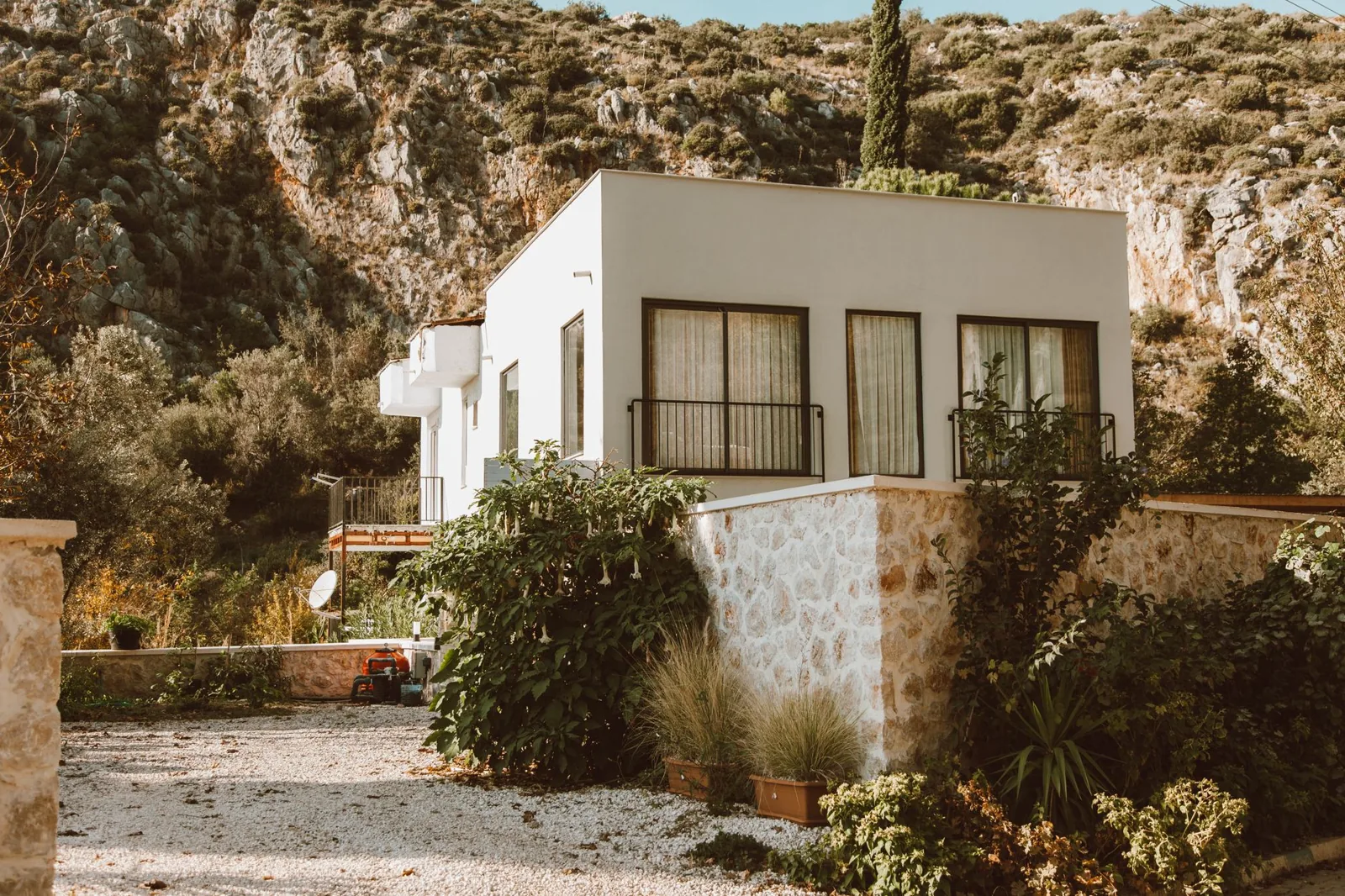
Photo by ROMAN ODINTSOV via Pexels
Choosing Trim and Accent Colors for a White House
Trim is where most white house exterior color schemes either come together or fall apart. The trim color frames the house, so it needs to be a deliberate choice, not an afterthought.
The safest route is a monochromatic look: paint the body and trim in shades of the same white family, then let the front door carry the only real color. This reads timeless and is hard to get wrong.
If you want more contrast, these pairings work well:
- Black or charcoal trim with a cool white body — crisp, graphic, and very current.
- Greige or taupe trim with a warm white body — softer than black, warmer than gray.
- Wood-tone accents on the porch columns, garage door, or front door — adds warmth without adding paint colors.
Keep the number of distinct colors to three or fewer. Body, trim, and one accent (usually the front door or shutters) is the sweet spot. Add a fourth color and the facade starts to look busy rather than coordinated.
Don’t forget the roof. A black or dark-gray roof gives you the most freedom with trim choices, while a brown or tan roof usually calls for a warmer white and warmer trim. If your exterior paint color combinations for houses feel off, the roof color is often the culprit.
White House Color Schemes by Architectural Style
White adapts to nearly any style, but the trim and accent rules shift with the architecture.
Farmhouse and Cottage
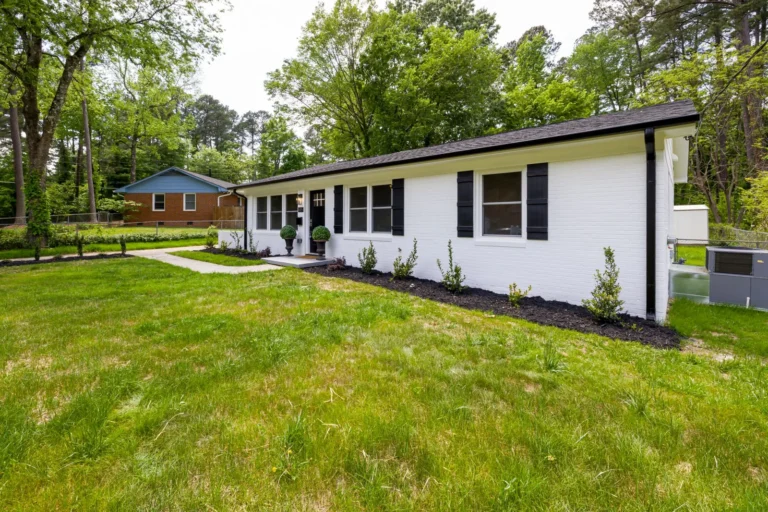
The modern farmhouse look pairs a warm or pure white body with black window frames, black shutters, and a black or metal roof. The door is usually wood-stained or painted black. Keep the white slightly warm so it doesn’t read cold against the black.
Craftsman and Bungalow
Craftsman homes look best in a creamier white with taupe or sage trim and a deep, warm door color like burgundy, forest green, or wood stain. Skip the stark black-and-white contrast — it fights the handcrafted character of the style.
Colonial and Traditional
Colonial homes wear a bright, clean white with white or very slightly contrasting trim, often with black or dark-green shutters and a door in a classic color like navy or brick red. Symmetry does a lot of the work here, so keep the palette restrained.
Mid-Century Modern
For a mid-century or modern home, lean into a grayed or cool white with a single bold accent — a bright orange or teal door, for example — and minimal trim. These homes can also pull off a dark exterior house paint on an accent wall or recessed entry, but a clean white body keeps the geometry crisp.
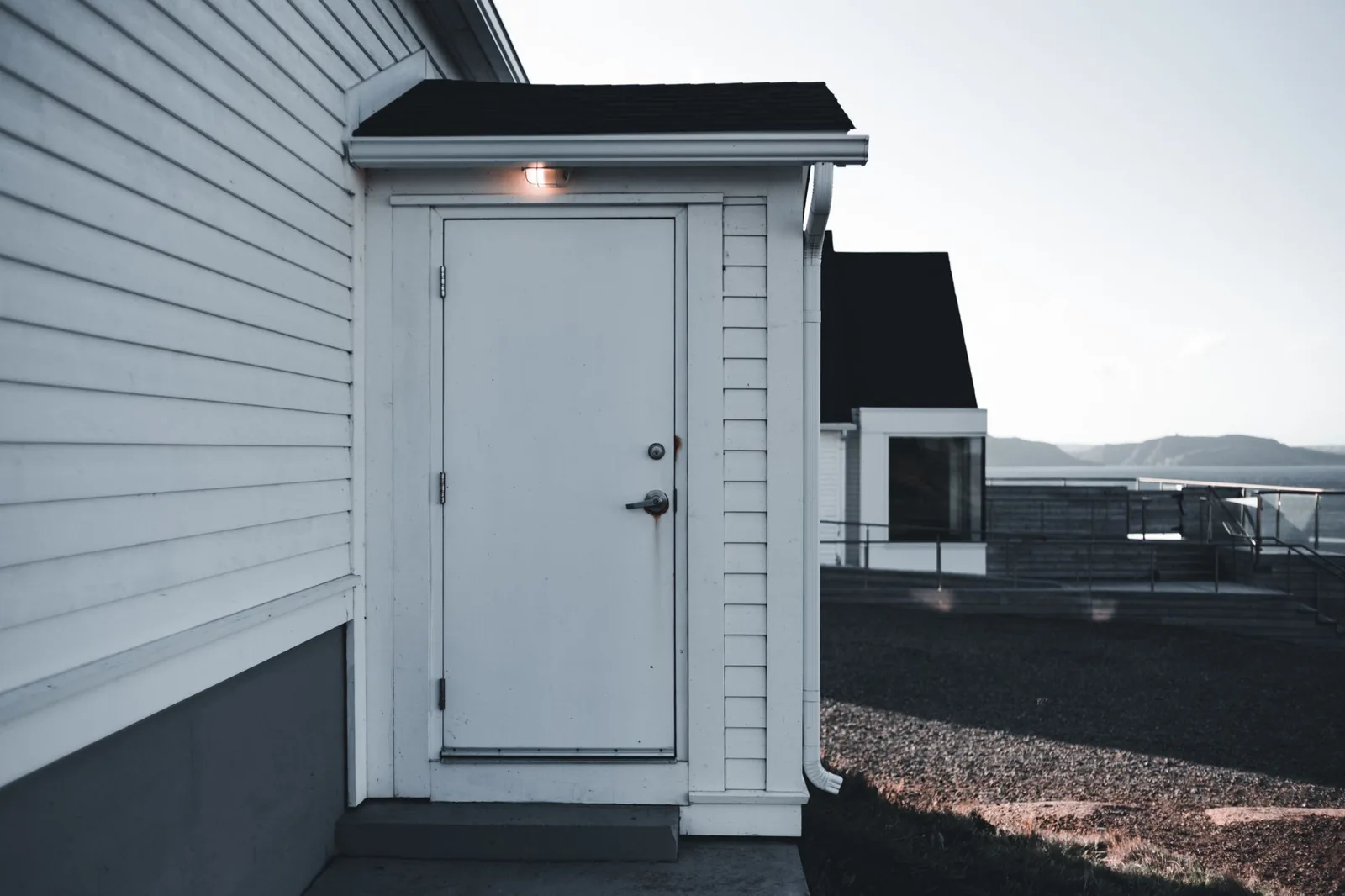
Photo by Erik Mclean via Pexels
What a White House Paint Job Actually Costs
A full exterior repaint of a 2,000-square-foot home typically runs between $3,000 and $7,500 for labor and materials, with most homeowners landing around $4,500 to $6,000. Prep work — power washing, scraping, caulking, and priming — usually accounts for a third to half of the total.
White paint itself isn’t cheaper than other colors, but it can stretch further because it covers well. Here’s roughly what to expect:
- DIY materials only: $500–$1,500 for quality paint, primer, and supplies on a 2,000-square-foot home.
- Professional repaint: $1.50–$4.00 per square foot depending on siding type, prep, and your region.
- Premium paint upgrade: adds roughly $200–$400 total, but a 100% acrylic exterior paint like Sherwin-Williams Duration or Benjamin Moore Aura lasts noticeably longer and resists dirt better.
On wood or fiber cement siding, expect to repaint every 7–10 years. On properly prepped vinyl, a quality acrylic can last a decade or more. If you’re comparing materials before committing, our guide to exterior paint cost per square foot breaks down the line items.
How to Keep a White Exterior Looking Clean
A white house shows every flaw, so maintenance matters more than with darker colors. The good news: most of it is cheap and seasonal.
- Rinse the siding twice a year with a garden hose or a soft-bristle brush attachment. Focus on the north and east sides, which stay damp and grow mildew fastest.
- Trim back shrubs and trees so leaves and branches don’t sit against the paint and leave stains.
- Watch the gutters. Overflowing gutters send dirty water down the siding and leave permanent streaks.
- Repaint early. Touch up peeling areas as soon as you see them — once moisture gets behind the paint, the repair doubles in cost.
- Choose a mildew-resistant paint in humid climates. Many premium exterior lines include mildewcide in the formula.
A satin or eggshell finish is easier to wipe clean than a flat finish, and it sheds water better. Flat white paint hides surface imperfections but grabs dirt; satin is the better trade-off for most homes.
Frequently Asked Questions
What trim color looks best on a white house?
Black or charcoal trim gives the most contrast and is the most popular choice right now. For a softer look, off-white or greige trim keeps things monochromatic, while warm taupe pairs nicely with creamy whites. Match the trim to your roof: dark roofs handle black trim well, brown roofs call for warmer trim.
Is a white house harder to keep clean?
Yes, it’s the most maintenance-heavy exterior color because dirt, mildew, and water stains show clearly. But a rinse twice a year, clean gutters, and a mildew-resistant satin-finish paint keep the workload reasonable.
What’s the most popular white exterior paint?
Sherwin-Williams Alabaster and Benjamin Moore White Dove are the two most commonly recommended warm whites, while Sherwin-Williams Pure White and Benjamin Moore Chantilly Lace lead the cool-white category. All four are safe starting points for white house exterior color schemes.
Do white houses fade?
White paint doesn’t fade the way dark colors do, but it can yellow or chalk over time, especially in direct sun. A high-quality 100% acrylic exterior paint slows both effects considerably compared to a bargain latex.
Can I paint vinyl siding white?
You can paint light-colored vinyl, but never paint it a darker color, which absorbs more heat and can warp the panels. Use a paint rated for vinyl, and choose a white in a similar or lighter value than the original siding.
The Bottom Line
White house exterior color schemes earn their popularity because they’re flexible, timeless, and flattering to almost every architectural style. The trick is choosing a white with the right undertone for your roof and surroundings, then anchoring it with deliberate trim and a single accent color.
Start by painting large swatches on two or three sides of the house and watching them through a full sunny day — whites shift more with the light than any other color. For more help narrowing down the palette, see our guide to how to choose exterior trim color. For a deeper look at what’s trending this year, check the best exterior paint colors 2026 roundup. And if you’re ready to start painting, This Old House walks through the full exterior prep and paint process, while Better Homes & Gardens has a solid gallery of white exterior ideas to spark your own scheme.