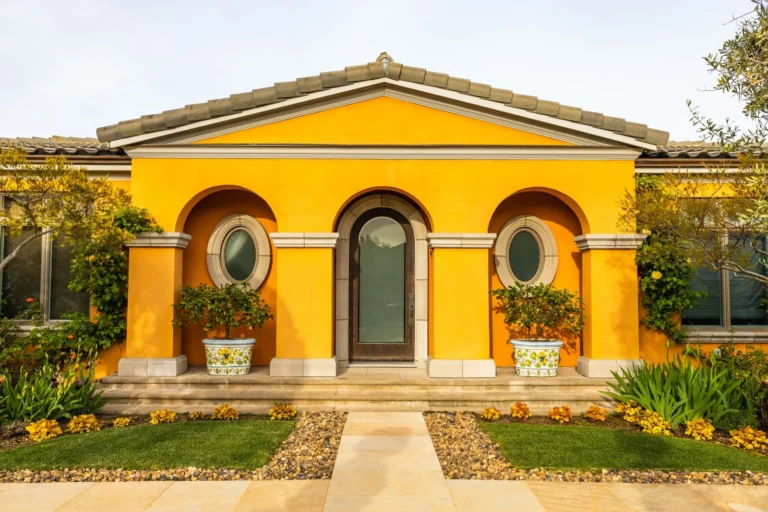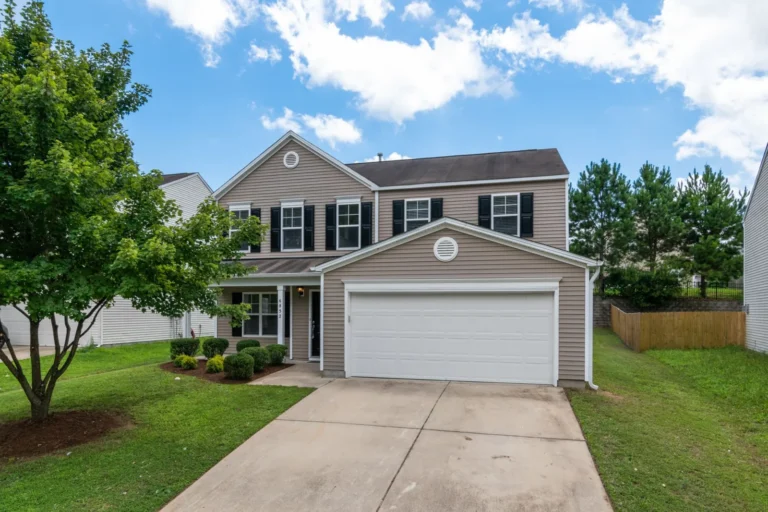
Best Curb Appeal Plants and Bushes for a Welcoming Front Yard
A well-chosen front yard does more than look tidy — it changes how people read your house from the street. The best curb appeal plants and bushes frame the entryway, soften hard corners, and add color in layers that last from early spring through late fall. Whether you’re prepping to sell or just want to feel good pulling into the driveway, landscaping is the single highest-return exterior upgrade you can make on a modest budget.
Realtors routinely peg landscaping as one of the best dollar-for-dollar improvements before listing. A 2023 survey by the National Association of Realtors and the National Association of Landscape Professionals put the estimated cost recovery of an overall landscape upgrade at 100% or more, with turf and tree care ranking even higher on perceived value. You don’t need a designer or a five-figure budget to get there. You need the right plants in the right places, arranged to look intentional rather than random.
This guide walks through the best curb appeal plants and bushes for most US climates, how to pick them for your home’s style, and how to plant them so they stay full and healthy with minimal upkeep.
Why Plants and Bushes Matter for Curb Appeal
Landscaping works on three levels at once: color, structure, and scale. Flowers and foliage give the eye something warm and living to land on. Shrubs and hedges create structure — a clean horizontal line along the foundation that makes the house look anchored rather than plopped down. And the right heights and widths make a tall, boxy house feel grounded or a low ranch feel taller.
Buyers and appraisers both respond to this. A house with a defined planting bed and a healthy lawn photographs better, shows better at a walkthrough, and reads as “maintained,” which buyers interpret as “the rest of the house was probably cared for too.” That perception can translate into real money — appraisers often add value for mature, well-placed landscaping even though the individual plants are inexpensive.
The trick is that curb appeal plants and bushes are not all created equal. Some drop leaves, some outgrow the bed within three years, and some need weekly deadheading to look decent. The goal is to pick plants that look full and healthy with routine care, not plants that turn your front yard into a second job.
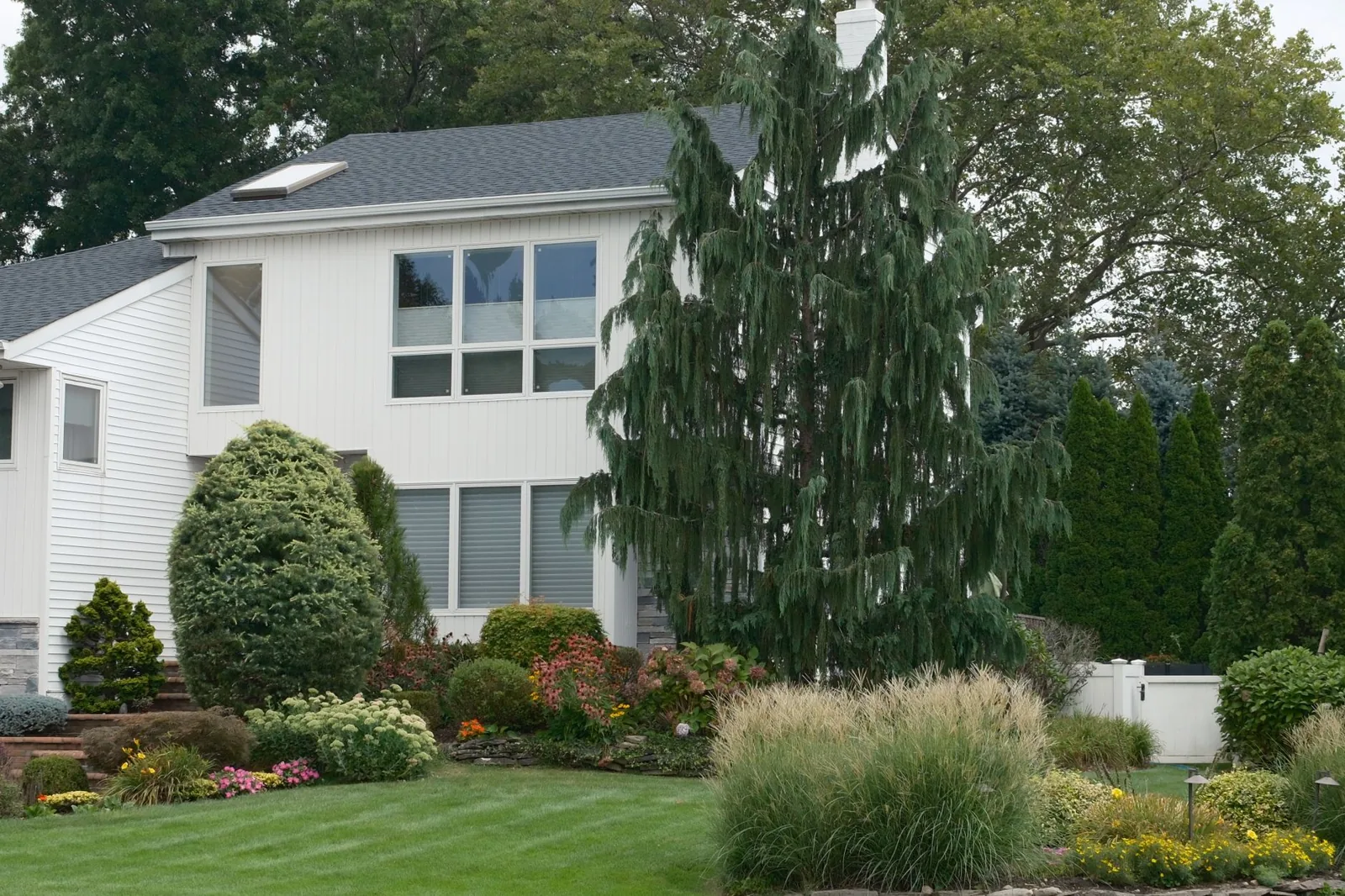
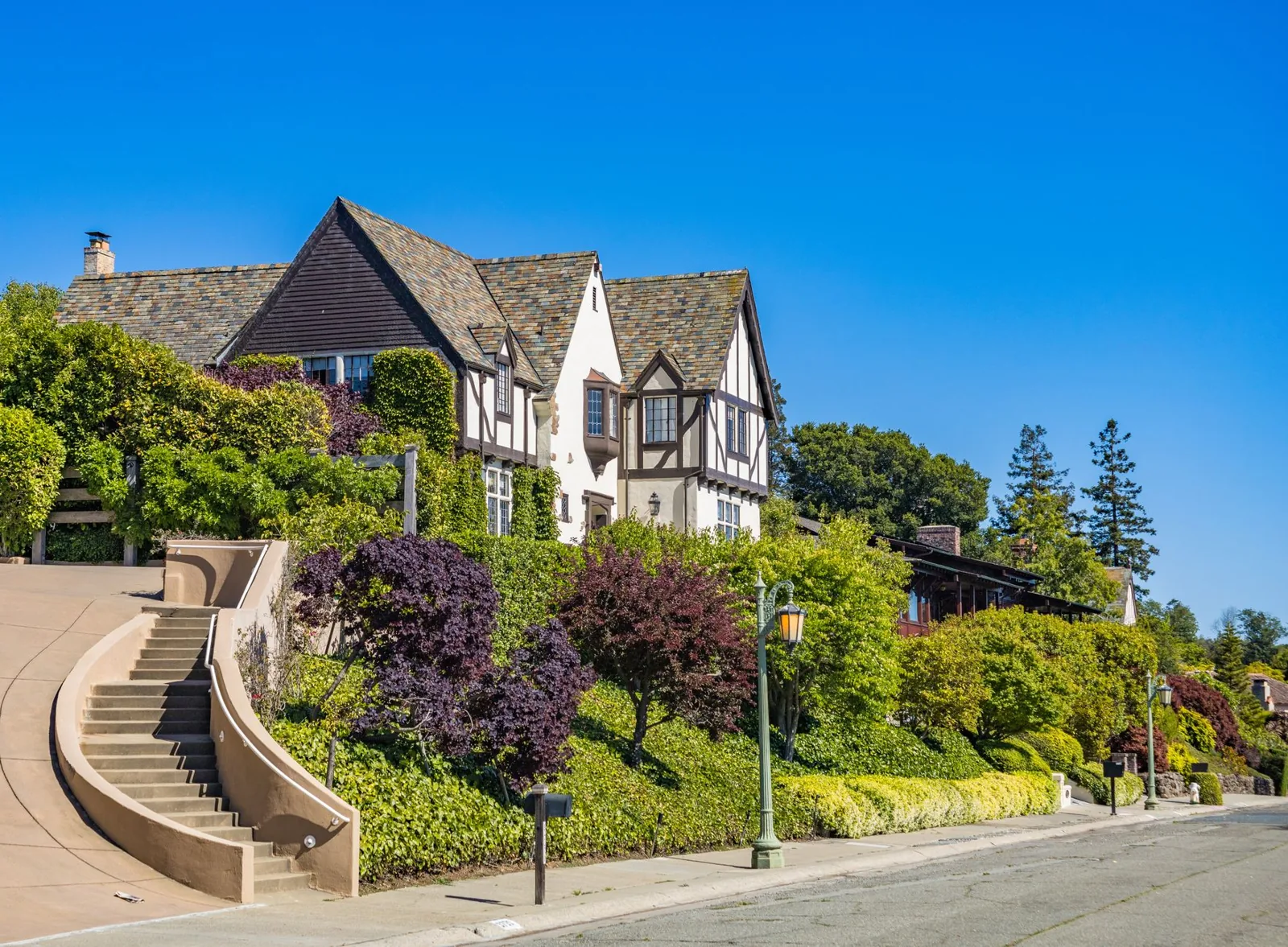
Photo by Mingyang LIU via Pexels
The Best Curb Appeal Plants and Bushes for Year-Round Color
The strongest front yards are built in layers: a low groundcover or edging plant in front, a mid-height flowering shrub in the middle, and a taller structural shrub or small tree anchoring the corners. Here are the workhorses that earn their spot in each layer across most of the continental US.
Evergreen foundation shrubs
Boxwood is the default choice for a reason. It stays green all winter, tolerates heavy pruning into clean spheres or low hedges, and grows slowly enough that it won’t swallow a window within two seasons. Dwarf varieties like ‘Green Velvet’ or ‘Winter Gem’ hold at 3 to 4 feet tall and wide with almost no maintenance. Expect to pay $25 to $50 per gallon-size plant at a nursery.
Dwarf Alberta spruce gives a tidy conical accent at entry corners or flanking the front door. It maxes out around 6 to 8 feet but can be kept smaller with light shaping. It’s hardy to USDA Zone 3, which makes it a safe bet in northern climates where many broadleaf evergreens struggle.
Flowering shrubs with real presence
Hydrangeas — especially panicle types like ‘Limelight’ and the reblooming smooth types like ‘Incrediball’ — deliver big, long-lasting blooms that start white or green and fade to pink or burgundy in fall. They need morning sun and afternoon shade in hot climates and about an inch of water a week in their first two years. A single mature ‘Limelight’ can reach 6 to 8 feet tall, so give it room.
Knock Out roses bloom from spring until frost with almost none of the spraying that old garden roses demanded. They’re disease-resistant, hardy to Zone 5, and stay 3 to 4 feet tall. Plant them in a sunny bed with good drainage and they’ll reward you with color for seven or eight months a year.
Rhododendrons and azaleas are the classic choice for the shaded or partially shaded foundation bed, especially in the Pacific Northwest and the Southeast. They flower in a short, dramatic burst in spring, then settle into glossy evergreen foliage the rest of the year.
Colorful foliage and accents
Japanese maple is the premium accent for a front yard. A dwarf weeping variety like ‘Crimson Queen’ adds a sculptural, burgundy-red focal point near the entry or at the corner of the house. They run $80 to $300 depending on size and cultivar, but they mature into a specimen that genuinely improves the look of the whole facade.
Ornamental grasses — ‘Karl Foerster’ feather reed grass or a dwarf fountain grass like ‘Hameln’ — add movement and a modern texture. They’re drought-tolerant, cut back once in late winter, and frame walkways or mailbox beds without blocking sightlines to the door.
Best Low-Maintenance Shrubs for the Foundation
If your priority is “plant it and mostly forget it,” stick to shrubs that hold their shape, tolerate neglect, and don’t need constant pruning to look good. These are the safest bets for a foundation bed you don’t want to fuss over.
- Boxwood — evergreen, slow-growing, takes full sun or part shade.
- Yew (Taxus) — the most forgiving evergreen there is; regrows from old wood if you prune it hard.
- Juniper — low, spreading types like ‘Blue Rug’ cover ground and slope beds with zero watering once established.
- Hydrangea ‘Incrediball’ — a flowering option that shrugs off drought and harsh winters better than the bigleaf types.
- Weigela — a spring bloomer with burgundy or variegated foliage that needs one shaping trim a year at most.
The common mistake here is choosing fast-growing shrubs to “fill in quickly.” A privet or a burning bush looks great for two years, then becomes a weekly pruning chore that eventually covers the windows. Slow and structural beats fast and floppy almost every time for the best curb appeal plants and bushes.
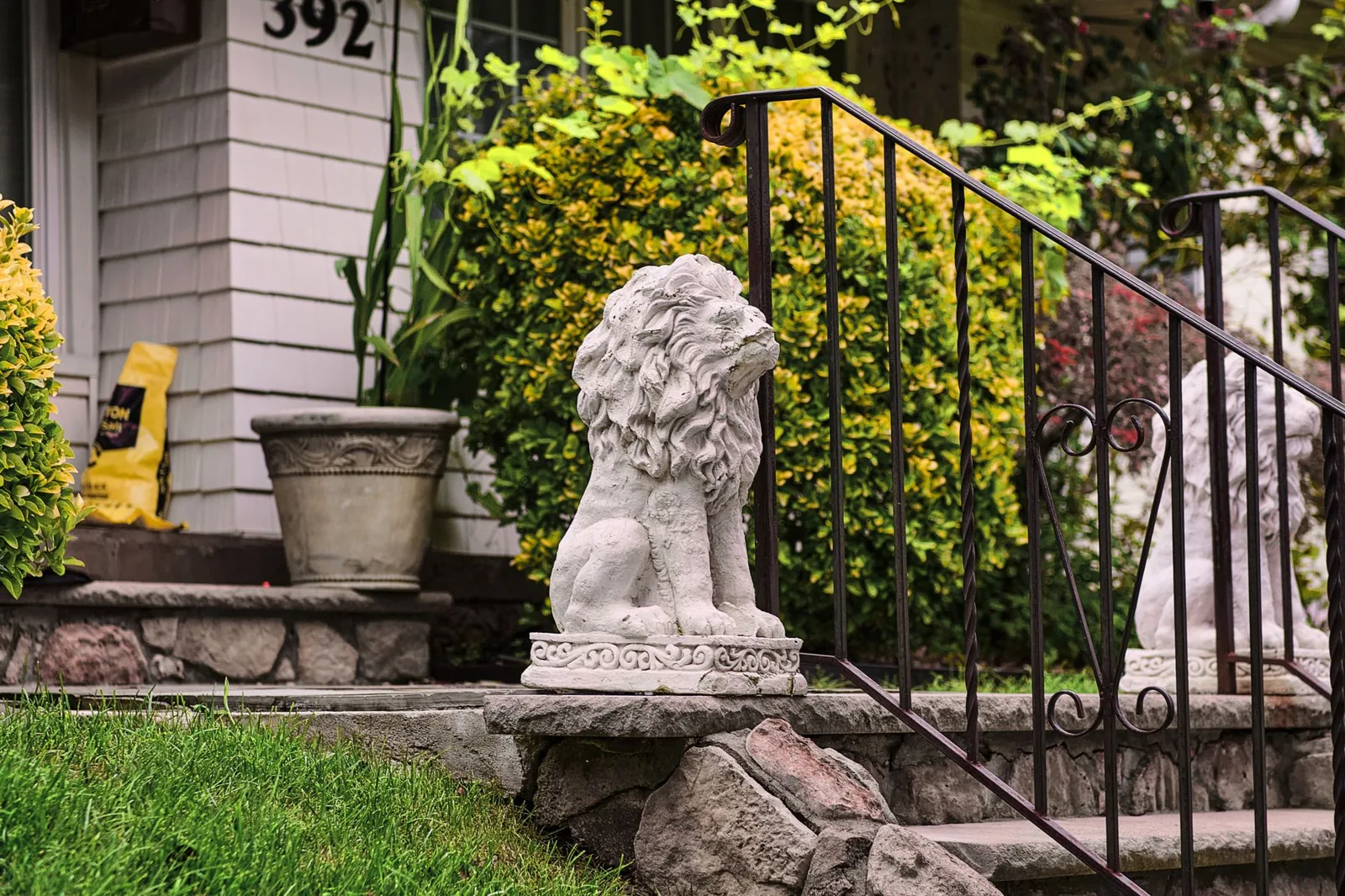
Photo by Malcolm Garret via Pexels
Comparing the Best Curb Appeal Plants by Climate and Care
Not every plant works everywhere. Use this quick reference to match the right shrub to your region and your tolerance for upkeep.
| Plant | Best Climate (USDA Zones) | Sun | Height | Upkeep |
|---|---|---|---|---|
| Boxwood | 5–9 | Full sun to part shade | 2–4 ft | Low |
| Hydrangea ‘Limelight’ | 3–8 | Morning sun, afternoon shade | 6–8 ft | Medium |
| Knock Out rose | 5–11 | Full sun | 3–4 ft | Medium |
| Rhododendron | 4–8 | Part shade | 4–10 ft | Low |
| Dwarf Alberta spruce | 3–8 | Full sun | 6–8 ft | Low |
| Japanese maple | 5–8 | Part shade | 6–10 ft | Low |
| ‘Karl Foerster’ grass | 4–9 | Full sun | 4–5 ft | Low |
How to Choose Plants for Your Climate and Home Style
Match the plant to the climate first, then to the architecture. A boxwood hedge reads traditional and tidy next to a colonial or craftsman home. Grasses and a sculptural Japanese maple read modern and spare next to a mid-century or contemporary facade. A cottage-style home can carry a looser, more colorful mix of roses, hydrangeas, and perennials without looking overgrown.
Check your USDA hardiness zone before you buy anything — it’s the single most reliable predictor of whether a shrub will survive your winter. A plant labeled for Zone 7 will likely die back hard in a Zone 5 winter no matter how well you water it. Local extension offices and the USDA’s interactive zone map make this a two-minute check.
Think about sun exposure honestly. A foundation bed on the north side of the house gets almost no direct sun, which rules out roses and most grasses and pushes you toward rhododendron, yew, and certain hydrangeas. A south- or west-facing bed bakes in afternoon sun, which is perfect for Knock Out roses, juniper, and ornamental grasses.
Finally, respect mature size. Read the tag, find the spread, and plant so the shrub can reach full size without touching the house. A shrub planted 18 inches from the wall that wants to be 6 feet wide will spend its life being hacked back — and it will always look like it.
Planting and Care Tips That Keep Your Yard Looking Full
The difference between a front yard that photographs well and one that looks sparse is spacing and soil. Here’s how to get the best curb appeal plants and bushes established properly:
- Amend the soil once, deeply. Work 2 to 3 inches of compost into the top 8 to 10 inches of the bed before planting. Established shrubs need far less feeding than most homeowners assume.
- Space for the mature size, not the pot size. Overplanting to look full on day one creates a crowded mess by year three. Layered beds look full fast because of vertical layering, not density.
- Mulch every spring. Two inches of shredded hardwood mulch holds moisture, suppresses weeds, and gives the whole bed a finished look. Keep it pulled back an inch or two from the trunks.
- Water deep and less often. A slow, deep soak twice a week beats a daily sprinkle. It pushes roots down, which is what makes shrubs drought-proof later.
- Prune at the right time. Spring-blooming shrubs get pruned right after they flower; summer bloomers and most evergreens get pruned in late winter. Pruning at the wrong time is the fastest way to lose a season of blooms.
A single weekend of correct planting pays off for years. If your goal is a faster, bigger visual return, pair the landscaping with a few other quick wins — fresh mulch, a painted front door, and updated exterior lighting ideas for homes all compound with healthy plants to transform the view from the street.
Frequently Asked Questions
What are the best low-maintenance plants for curb appeal?
Boxwood, dwarf Alberta spruce, juniper, and ornamental grasses are the most reliable low-maintenance options. They hold their shape, stay green or structured across most of the year, and need at most one light trim a year. Hydrangeas and Knock Out roses add color with only slightly more effort.
How much does it cost to landscape a front yard for curb appeal?
A modest DIY foundation planting runs roughly $300 to $800 for a 20- to 30-foot bed, using gallon-size shrubs and a few 2-gallon accent plants. Hiring a landscaper to design and install the same bed typically lands between $1,500 and $5,000 depending on plant size and site prep. Specimen trees like a larger Japanese maple can add $300 to $800 on their own.
What plants add the most value to a home?
Evergreen shrubs and small ornamental trees tend to add the most perceived value because they read as permanent, low-effort landscaping. Boxwood hedges, hydrangeas, and a well-placed Japanese maple or small flowering tree all photograph well and survive the “does this look maintained?” test that buyers apply from the curb.
Should I plant for year-round interest or just the selling season?
If you’re selling, prioritize the season you’ll list — spring and summer listings lean on flowers, while fall and winter listings lean on evergreens and colorful foliage. If you’re staying put, build a mix: evergreens for winter structure, spring bloomers, and a fall-interest shrub or grass so the yard never looks empty.
How close to the house should I plant shrubs?
Space shrubs so their mature width stays at least 12 to 24 inches away from the foundation. For a shrub that matures to 4 feet wide, plant it about 2 feet from the wall. This keeps airflow moving, prevents moisture against the siding, and stops roots and branches from crowding the structure.
The Bottom Line
The best curb appeal plants and bushes are the ones that fit your climate, suit your home’s style, and look good with a level of care you’ll actually keep up with. Start with evergreen structure — boxwood, yew, or spruce — layer in one or two flowering shrubs like hydrangea or Knock Out roses, and finish with an accent like a Japanese maple or a sweep of ornamental grass. Plant for mature size, mulch every spring, and prune at the right time of year.
Done right, this is the cheapest visual upgrade on the whole exterior — often for less than a new front door, and with a bigger impact from the street. If you’re planning a larger refresh, see our guides to curb appeal ideas on a budget and how to increase curb appeal to sell house for the full picture. For more on plant selection and care from a trusted source, check out the landscaping guides at This Old House and Better Homes & Gardens.