Exterior Paint Color for Brick Houses: 12 Colors That Actually Work
Choosing the right exterior paint color for brick houses is one of the hardest decisions a homeowner makes. Brick has a permanent undertone baked in, and the wrong shade can fight it for years. Get it right, and a $150 gallon of paint can look like a full facade renovation. Most homeowners only paint brick once every 10 to 20 years, so the stakes are real.
The good news is that brick is more forgiving than people assume. Warm reds, cool grays, and near-black charcoals all have a lane if you respect the underlying brick tone. This guide walks through the shades that actually hold up on real homes, the finish rules most people get wrong, and what a professional repaint should cost.
Why Brick Takes Paint Differently
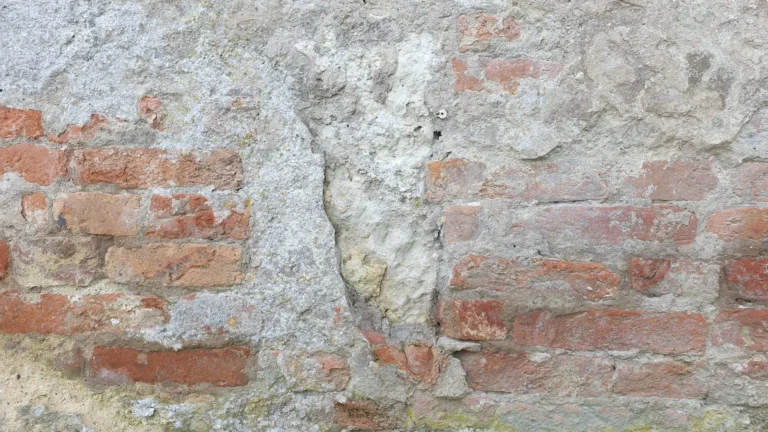
Brick is porous and textured, which means paint behaves nothing like it does on wood or vinyl. The surface pulls moisture, expands and contracts with temperature, and traps humidity that can blister a cheap coating. Using the wrong product is the number one reason painted brick starts peeling within two or three years.
The Three Rules That Matter
- Use masonry paint, not standard latex. Acrylic masonry paint is breathable, so trapped moisture escapes instead of lifting the film.
- Clean and prime first. A fresh brick wall needs a masonry primer to kill the suction and even out absorption.
- Never paint young brick. Brick should cure for at least a year, and often longer, before it sees paint.
Ignoring these rules is why some painted brick looks great for a decade and other jobs fail in two summers. The color itself matters less than the system underneath it.
The 12 Best Exterior Paint Colors for Brick Houses
Here are the shades pros reach for most often, organized by what they do for the house.
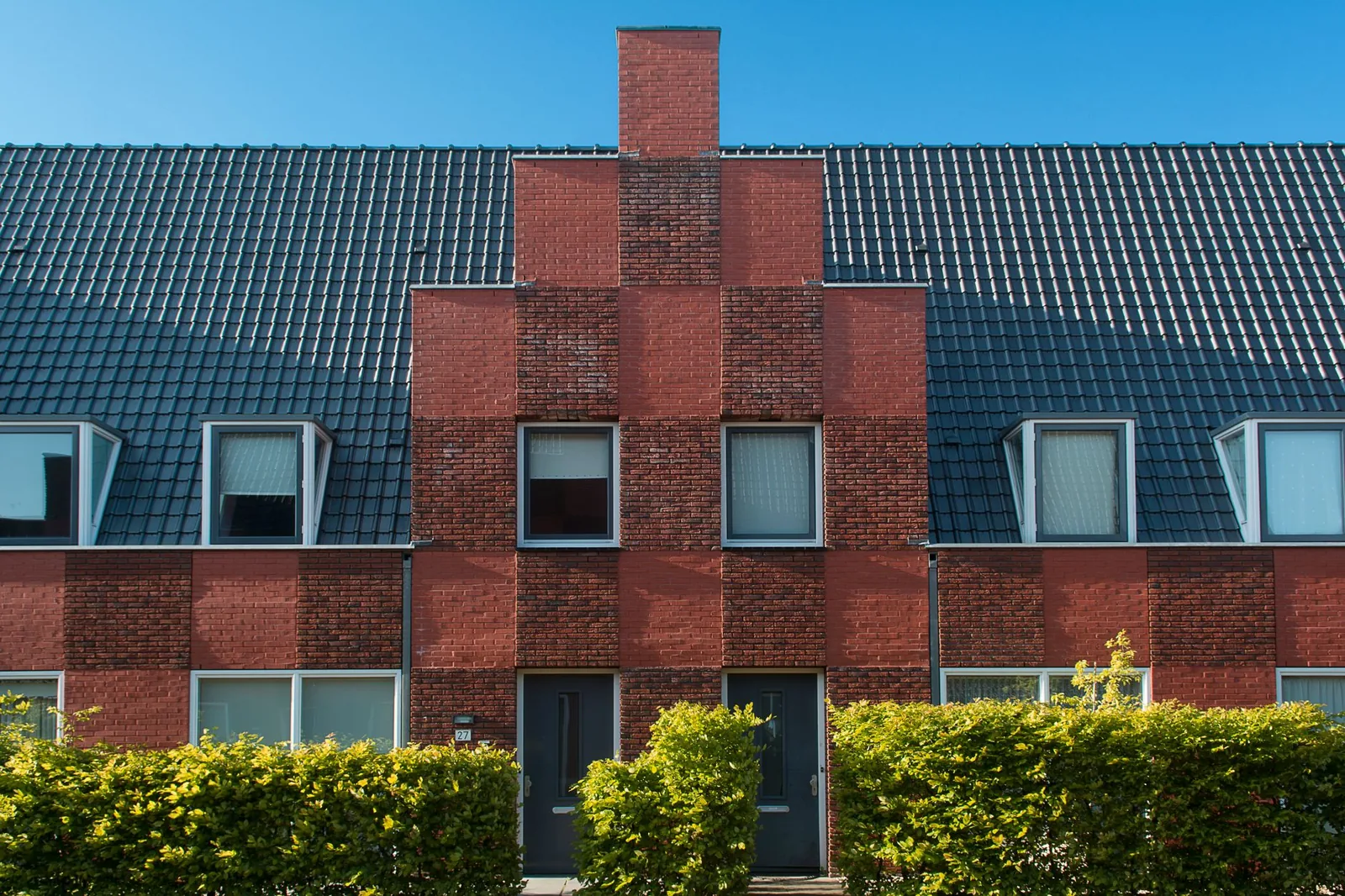
Photo by Jan van der Wolf via Pexels
Warm Neutrals
- Greige (e.g., Sherwin-Williams Repose Gray or Agreeable Gray). A gray-beige hybrid that softens red brick without fighting it. The safest choice for a colonial or a mid-century ranch.
- Warm white (e.g., Benjamin Moore White Dove). Brightens a dark brick facade and makes trim pop. Popular on craftsman bungalows.
- Cream and bone. A classic on older homes with mottled, multi-toned brick. Hides imperfections better than pure white.
Earth Tones
- Olive and sage green. Pairs naturally with red and brown brick because green sits opposite red on the color wheel. A muted sage reads elegant rather than loud.
- Warm tan and sand. Blends with the brick instead of contrasting, which is ideal if you want paint that recedes.
- Terracotta and clay. A deeper, monochromatic take that turns red brick into a statement instead of a problem.
Cool and Dark
- Slate blue and navy. A high-contrast look that makes white trim and dark shutters feel crisp. Works especially well on gray or brown brick.
- Charcoal and near-black (e.g., Sherwin-Williams Iron Ore or Tricorn Black). The modern farmhouse look. Dramatic, but it absorbs heat, so it’s better in cooler climates.
- Gray with blue undertones. A step down from navy that keeps the exterior feeling current without going dark.
The Table: Picking by Brick Tone
| Brick Tone | Best Paint Color | Why It Works | Rough Feel |
|---|---|---|---|
| Red / rust brick | Greige or sage green | Neutralizes the orange without clashing | Soft, classic |
| Brown / tan brick | Warm white or cream | Brightens and modernizes | Airy, clean |
| Gray / purple brick | Navy or charcoal | Adds depth and contrast | Bold, current |
| Multi-toned mottled brick | Olive or sand | Blends and hides uneven tone | Natural, calm |
How to Match Paint to Your Specific Brick
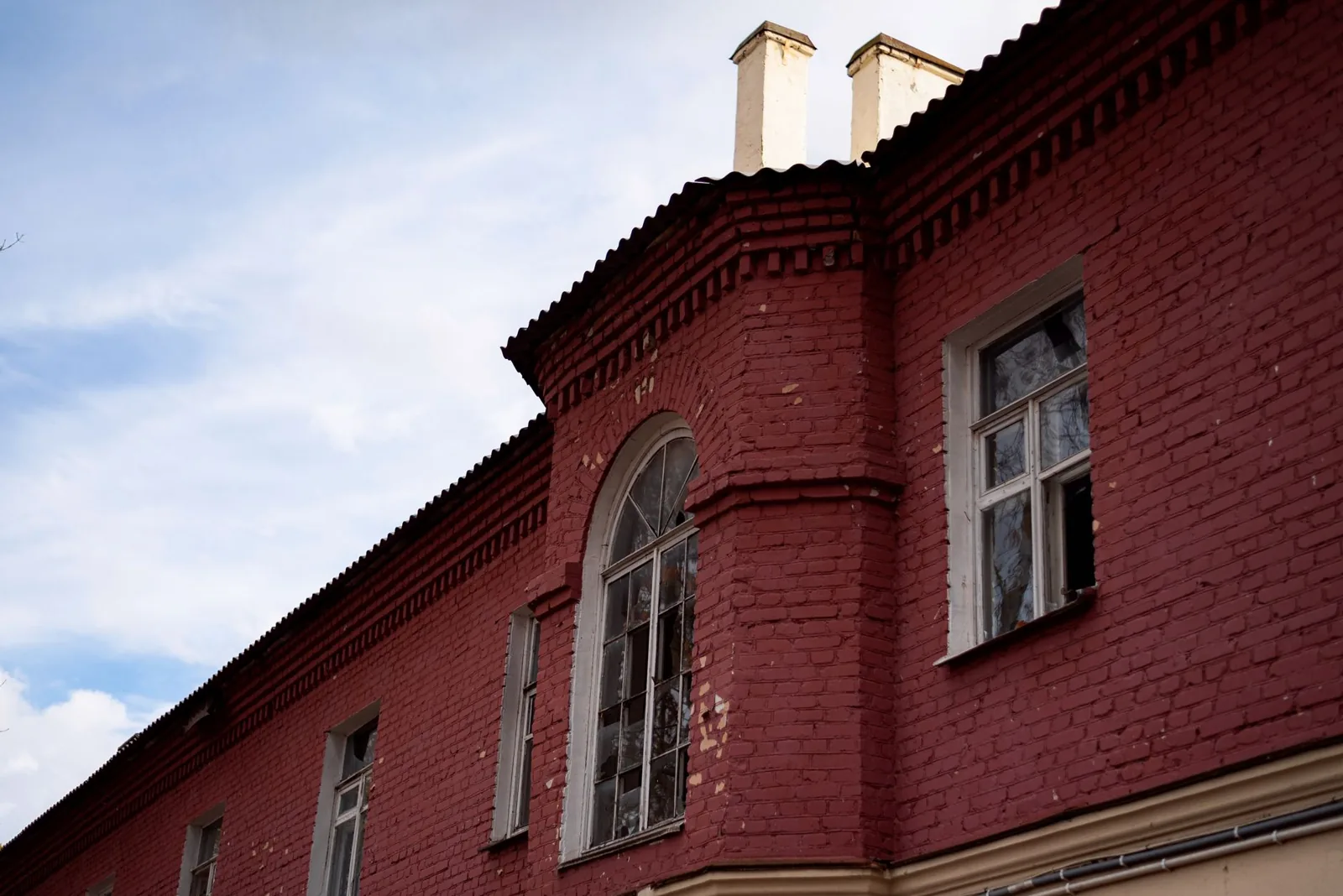
Brick color is never a single flat shade. Hold a paint chip against the wall at three times of day and look at the brick’s undertone, not its dominant color.

Photo by Şehriban karakaya via Pexels
Read the Undertone First
- Red-orange brick wants a color with cool or neutral undertones to calm it down.
- Brown or tan brick can take warmer creams and greens without going muddy.
- Gray or pink brick reads almost purple and pairs well with blue and charcoal.
Test Before You Commit
Buy sample quarts, not gallons. Paint a two-foot square on a sun-facing wall and a shaded wall, then check it in morning and late-afternoon light. A color that looks perfect at noon can turn chalky or flat by dusk. This one step prevents more paint regrets than any amount of online research.
Finish and Product Choices That Matter
The exterior paint color for brick houses is only half the story. The finish and formula decide whether it lasts five years or twenty.
Pick the Right Sheen
- Flat or matte: Best for hiding brick’s texture and imperfections. Standard choice for older walls.
- Satin: Wipes clean easier and holds up to weather, but it highlights texture.
- Avoid high gloss on the field: It magnifies every brick joint and looks plastic. Reserve gloss for trim and doors.
Product Picks by Situation
For most repaints, an elastomeric or 100% acrylic masonry paint is the right call. Brands like Sherwin-Williams Loxon, Benjamin Moore Aura Masonry, and Behr Masonry, Stucco & Brick all hold up. If the brick is historic or you live in a damp climate, a mineral silicate or limewash-style coating breathes better than standard acrylic and can be the difference between a clean repaint and bubbling in year three.
What Painting Brick Actually Costs
Budget reality matters here. A professional exterior repaint on brick generally runs $2 to $6 per square foot of wall surface, depending on prep, access, and your region.
| Line Item | Typical Range | Notes |
|---|---|---|
| Pressure wash + prep | $200–$800 | Cleaning, crack repair, masking |
| Primer | $0.30–$0.70 per sq ft | Masonry primer, one coat |
| Paint + labor | $1.50–$4.50 per sq ft | Two coats, standard access |
| Scaffolding / lift | $500–$2,500+ | Two-story or tricky access |
For an average 2,000-square-foot single-story home with about 1,200 square feet of painted wall, expect a total of $3,000 to $8,000. Two-story homes and dark colors (which need extra coats for even coverage) land at the top of that range or above. A full DIY job with a sprayer can cut the number roughly in half, but you trade a weekend’s labor and some risk on ladder-heavy sections.
Frequently Asked Questions
Is it a bad idea to paint brick?
It’s a commitment, not a mistake. Paint seals the brick, which stops it from breathing naturally, and stripping it later is expensive and damaging. But on brick that’s already painted, stained, or in a color you can’t stand, a good masonry paint is a sensible fix. Just be sure the brick has fully cured before you paint.
Can you paint brick white?
Yes, and it’s one of the most popular transformations. Use a breathable masonry paint rather than a pure-white latex, and expect to need two to three coats for even coverage over dark or red brick. Warm white reads softer than bright white on a large brick wall.
How long does painted brick last?
With proper prep and a quality masonry paint, 15 to 20 years is realistic. Cheap paint or skipping the primer can cut that to five or fewer, especially on a south-facing wall that takes full sun.
What color paint makes a brick house look bigger?
Light, low-contrast colors do it. Warm whites, creams, and pale greiges reflect light and blur the brick’s visual weight, which makes a compact facade feel larger. Pair them with trim in a close shade rather than a stark white for the most unified effect.
Do I need a primer before painting brick?
Almost always, yes. Primer evens out the brick’s porosity so the finish coat doesn’t get sucked in unevenly, and it gives the topcoat something to grip. On chalky or previously painted brick, a masonry primer is non-negotiable.
The Bottom Line
The best exterior paint color for brick houses is the one that respects the brick instead of fighting it. Start by reading your wall’s undertone, pick a shade from the same warm or cool family, then spend your real money on prep and a breathable masonry paint rather than on the color itself. A greige, sage, or warm white is the low-risk path for most homes; navy and charcoal are for homeowners who want a statement and can live with the heat.
If you’re still narrowing it down, our guide to exterior paint color combinations for houses pairs specific wall and trim shades, and how to choose exterior trim color will help you finish the job without clashing. For a practical look at how painted brick holds up over time, The Old House covers prep, product choice, and maintenance. Ready to repaint? Order sample quarts, test on both a sunny and a shaded wall, and get a quote from at least two painters before you commit. The color you choose will live on your facade for a decade or more, so it is worth getting right the first time.