Curb Appeal Trends 2026: 7 Upgrades Homeowners Are Prioritizing This Year
The curb appeal trends 2026 buyers and homeowners are chasing share one common thread: durability and low maintenance now carry as much weight as looks. After several years of climbing material and labor costs, the era of purely cosmetic, high-upkeep front yards is fading. In its place is a more deliberate approach — mixed-material facades, plantings that survive a dry summer without daily watering, and lighting that improves security as much as it flatters the house after dark.
The shift is measurable, not just stylistic. The National Association of Realtors’ Remodeling Impact Report has repeatedly found that exterior projects — a new garage door, a steel entry door, manufactured stone veneer — recover more than 100% of their cost at resale, which is rare for any remodel. Homeowners have noticed, and the projects they’re planning this year reflect it. Here are the seven curb appeal trends 2026 is built on, with realistic price ranges for each.
The Curb Appeal Trends 2026 Homeowners Are Actually Paying For
Before we get into materials, it helps to see the through-line. In 2026, curb appeal spending is concentrating in three places:
- Projects with a hard resale return. Garage doors, entry doors, and stone veneer regularly beat 100% cost recovery in national remodeling data, so they stay at the top of the priority list.
- Upgrades that cut future work. Composite trim, fiber-cement accents, and drought-tolerant beds reduce the annual maintenance load — and the ongoing bill.
- Details that read well at dusk. Buyers tour homes in the evening, so exterior lighting has moved from an afterthought to a line item.
That third point deserves emphasis. A growing share of curb appeal is now designed for the 6 p.m. drive-by, not just the midday listing photo. If your house looks flat or dark at dusk, you’re leaving money on the table no matter how tidy the lawn is.
Warm Neutrals and Earthy Exterior Palettes
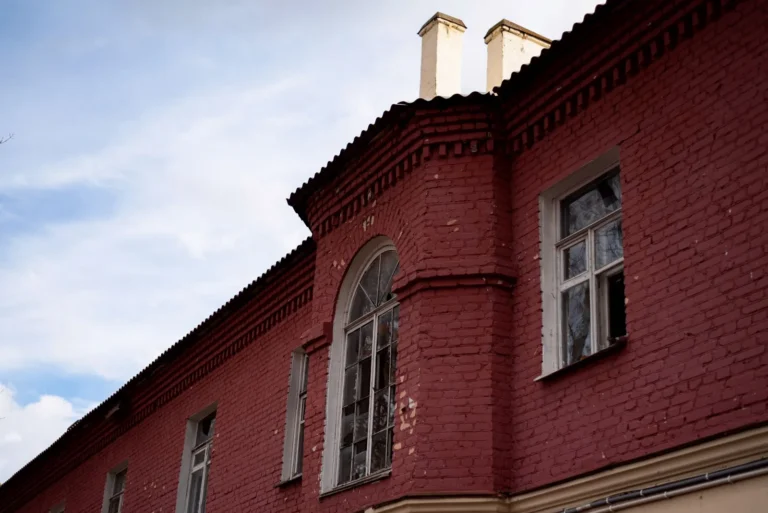
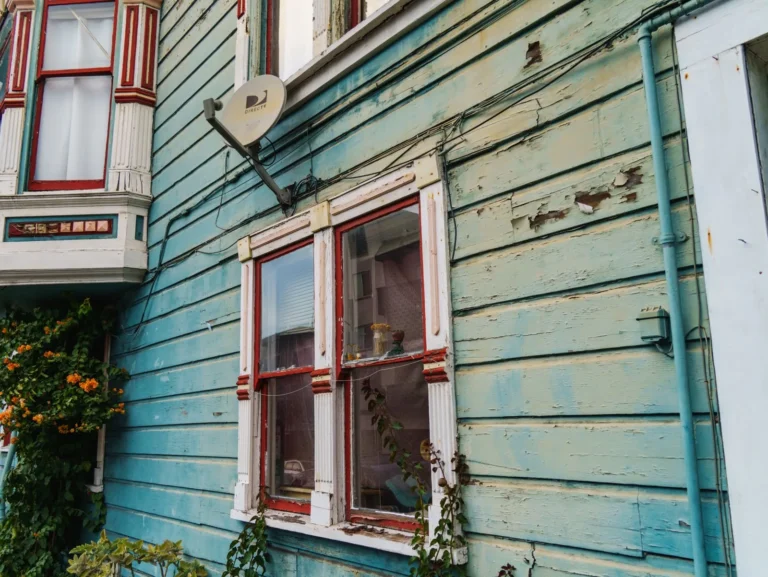
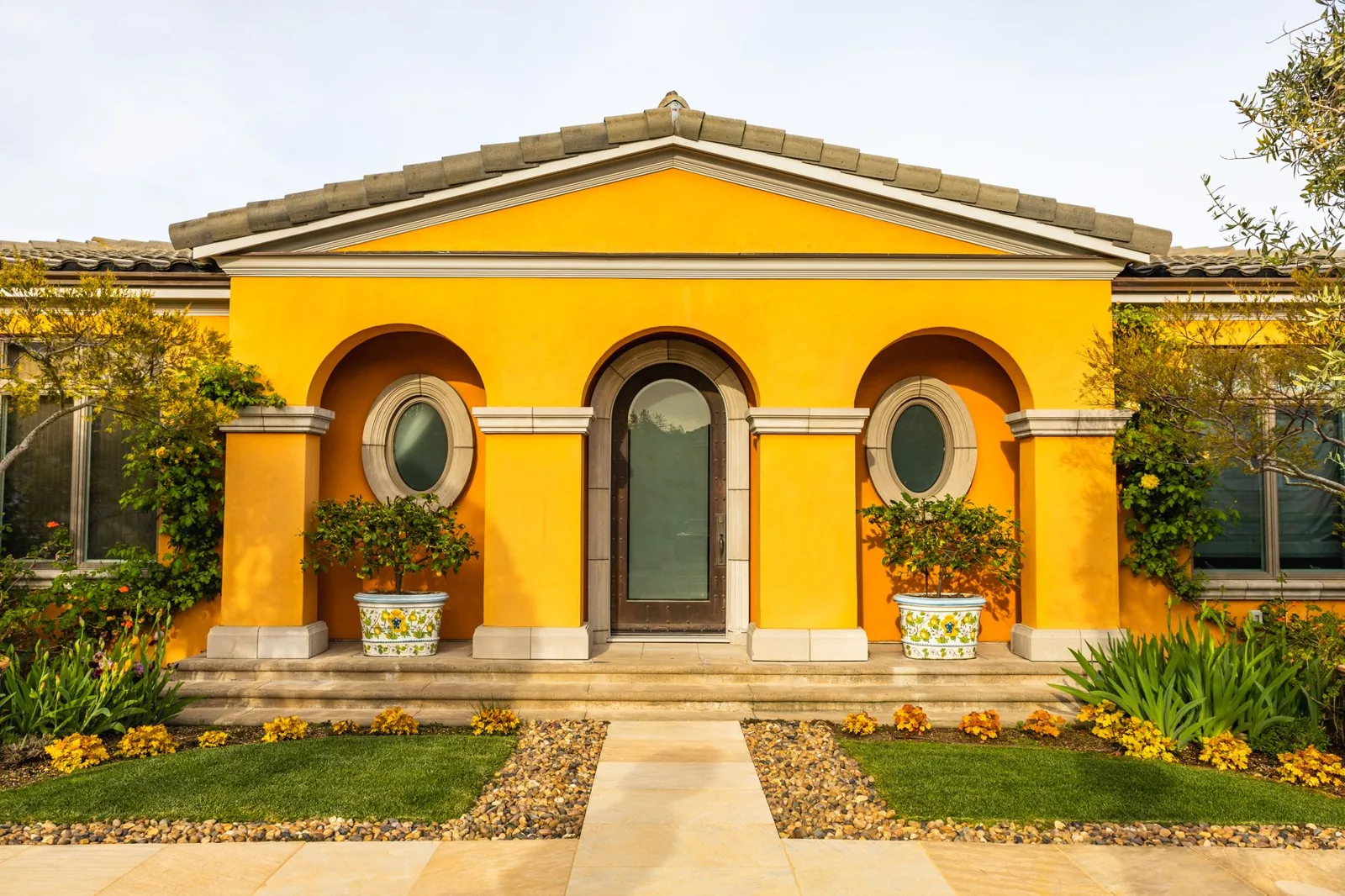
Cool gray had a long run, but 2026 favors warmth. Homeowners are moving toward greige, warm taupe, soft clay, and mushroom tones, often paired with a crisp off-white or warm cream trim instead of stark white. The effect is softer and more welcoming than the slate-and-white combos that dominated the last decade.
The practical driver here is material compatibility. Warm neutrals sit comfortably next to wood accents, copper fixtures, and natural stone, which makes them easier to coordinate as facades add more texture. They also hide dust and road grime better than very light or very dark colors.
If you’re repainting, expect to pay roughly $1,800 to $4,500 for a professional exterior paint job on a typical single-story home, depending on square footage and prep work. If you’d rather test a color before committing, paint a 4-by-4-foot swatch on the least visible side of the house and look at it in morning and evening light — most paint brands sell sample jars under $10.
For a deeper look at palettes, see our guide to popular house siding colors 2026.
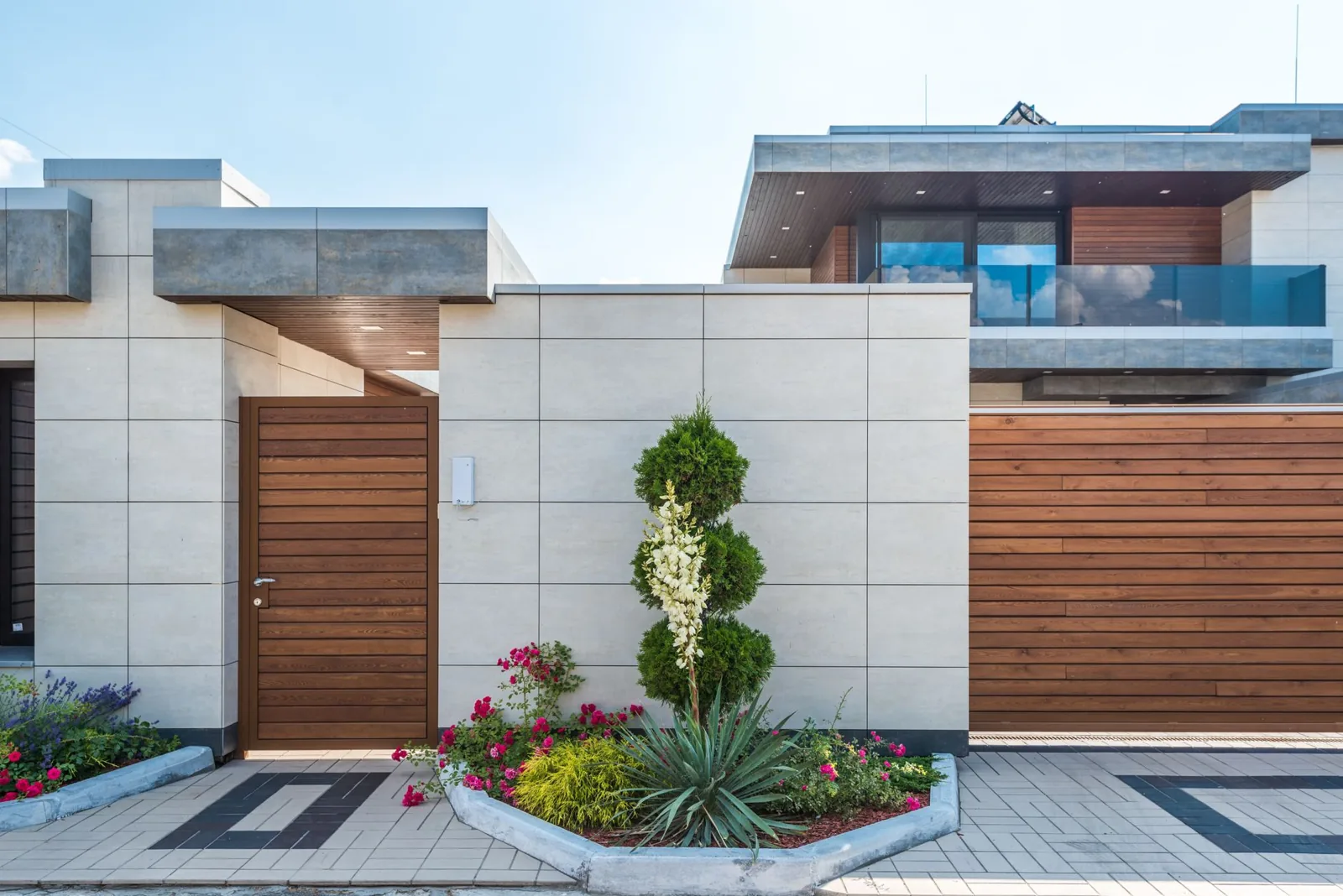
Photo by Max Vakhtbovych via Pexels
Mixed Materials and Textured Facades
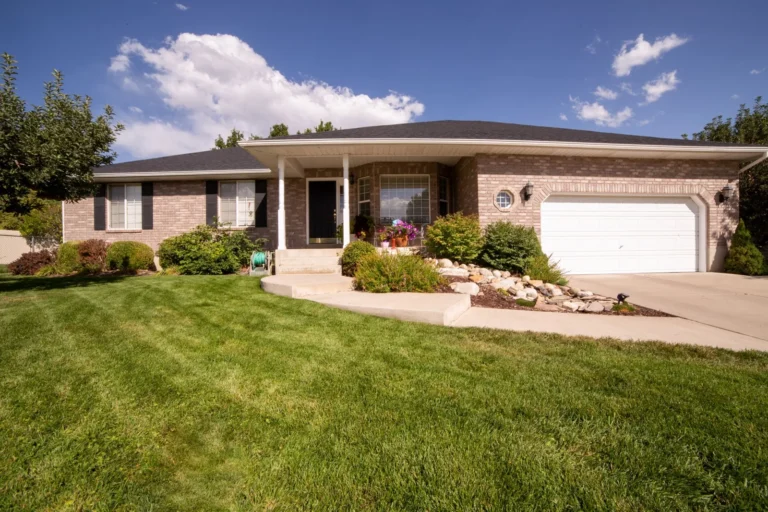
A single flat material across an entire facade is starting to look dated. The 2026 look layers two or three materials — board-and-batten fiber cement, a stone or brick veneer accent around the entry, and warm wood-look soffits or porch ceilings — to give a house visual depth without a full rebuild.
The trend works because it delivers the appearance of a custom home at a fraction of the cost of real stone or timber framing. Homeowners aren’t wrapping whole houses in stone; they’re using it strategically where the eye lands first: the entry, the front gable, or a chimney bump-out.
Budget-wise, a partial stone veneer accent wall typically runs $8 to $12 per square foot installed, while board-and-batten fiber-cement cladding averages $5 to $10 per square foot. Limiting the expensive material to a 100-to-200-square-foot focal area keeps the total reasonable while still transforming the look. The key is restraint — two materials that share an undertone almost always look better than three competing finishes.
Statement Front Doors and Hardware
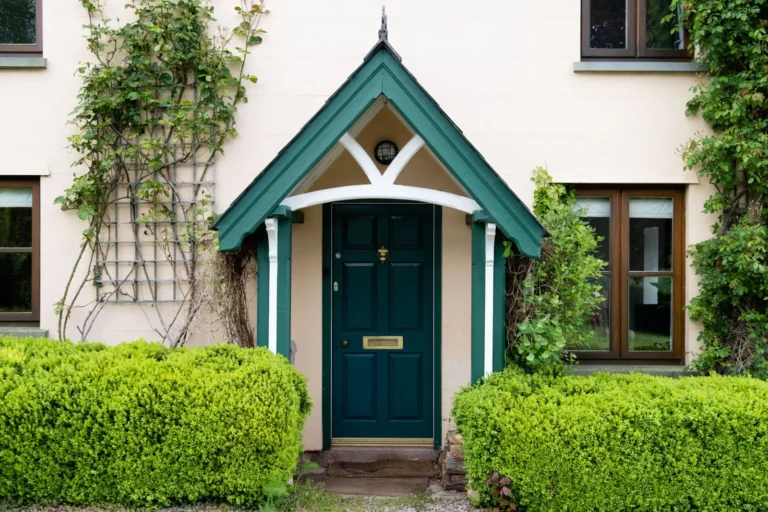
The front door remains the cheapest high-impact curb appeal upgrade, and in 2026 it’s getting bolder. Black and charcoal doors still lead, but deep greens, burgundy, and warm terracotta are gaining ground, especially against neutral siding. Matte black and aged brass hardware are replacing polished brass and chrome.
A steel entry door costs $500 to $2,500 installed, and a fiberglass door with realistic wood grain runs $1,000 to $4,000. Solid wood is beautiful but pricier at $2,000 to $5,000, and it needs more upkeep. The National Association of Realtors consistently ranks a new steel entry door among the top exterior projects for cost recovery, often returning 100% or more at resale.
Don’t overlook the frame and hardware. Replacing a faded kick plate, outdated house numbers, and a tired doorbell for under $150 can modernize an entry even if the door itself stays. If you’re weighing door colors, our front door color ideas guide covers what works with common siding palettes.
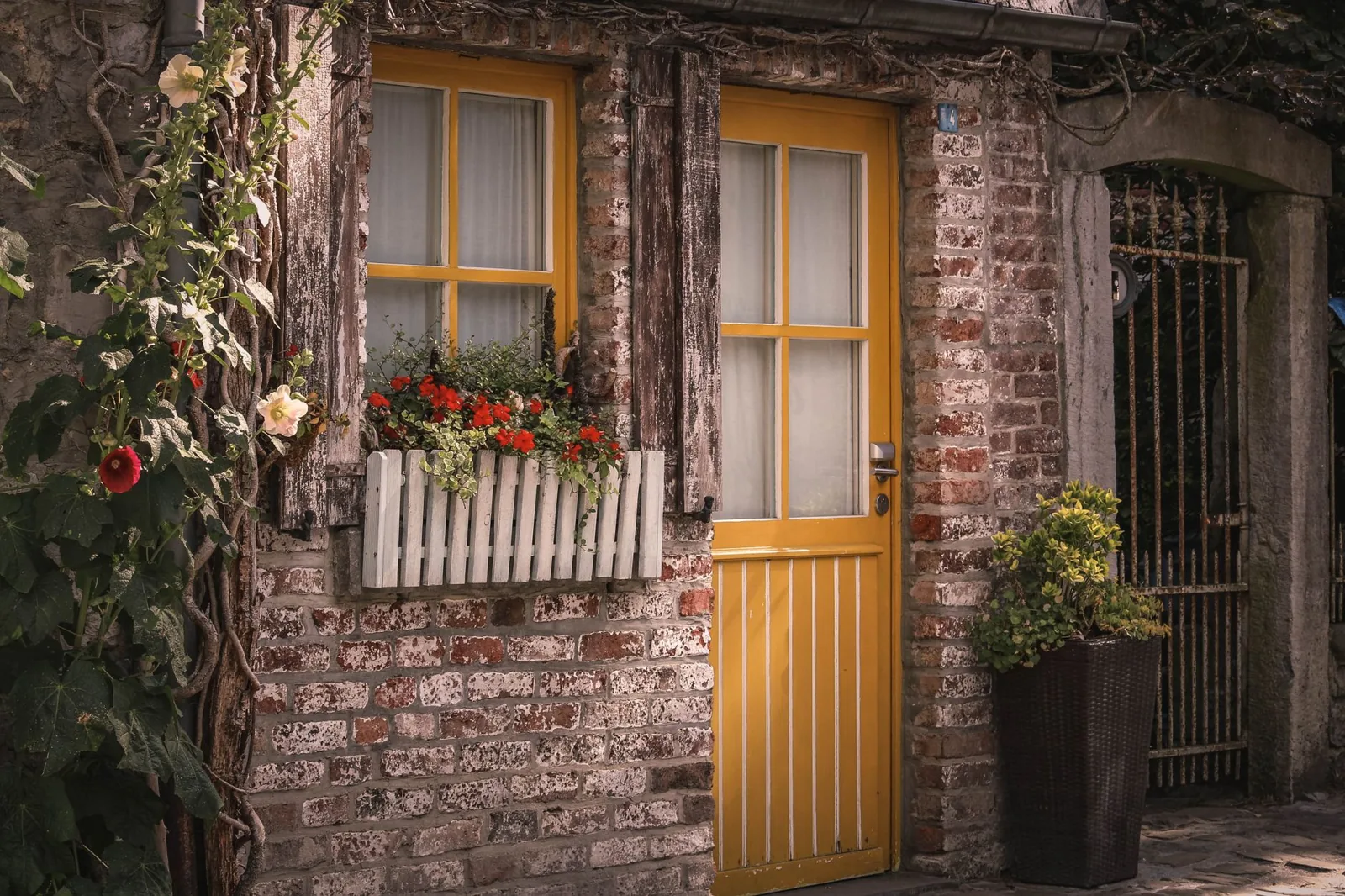
Photo by Maurice Engelen via Pexels
Low-Maintenance Landscaping and Native Plants
The perfectly manicured, water-hungry lawn is losing ground to layered beds built around native and drought-tolerant plants. In 2026, buyers increasingly read a thirsty lawn as a liability rather than an asset, especially in Western states where water restrictions are common.
Native plantings pull double duty: they need less water and fertilizer once established, and they support local pollinators. Popular picks include coneflowers, black-eyed Susans, salvia, lavender, and ornamental grasses, many of which cost $8 to $25 per plant at a nursery. A full front-yard conversion with soil prep and mulch typically lands between $1,500 and $6,000 for a pro install, though a DIY bed refresh can come in under $500.
The maintenance argument is the real selling point. Native plants survive on rainfall in most regions after the first year, which means less sprinkler use and fewer weekends spent edging. For a deeper plant list, see our roundup of the best curb appeal plants and bushes.
Smart Exterior Lighting and Security
Lighting is the fastest-growing line item in curb appeal, because it does three jobs at once: it flatters the house, guides visitors to the door, and deters intruders. In 2026, the trend leans toward warm-color-temperature LED fixtures (2700K to 3000K) rather than harsh blue-white floods.
The layered approach is what separates a good lighting plan from a bright one:
- Path lights along the walkway every 6 to 8 feet.
- Uplights aimed at trees or architectural features.
- Step and rail lights for safety.
- Motion-activated floodlights at the driveway and side yard.
A professional low-voltage system with 8 to 12 fixtures typically costs $2,500 to $6,500, while a DIY solar path-light kit can start around $100 to $300. Smart controllers — which let you schedule scenes and turn lights on remotely — add $150 to $400 but are worth it if you travel. For a full walkthrough, see our exterior lighting ideas for homes.
Drought-Tolerant Hardscaping and Permeable Surfaces
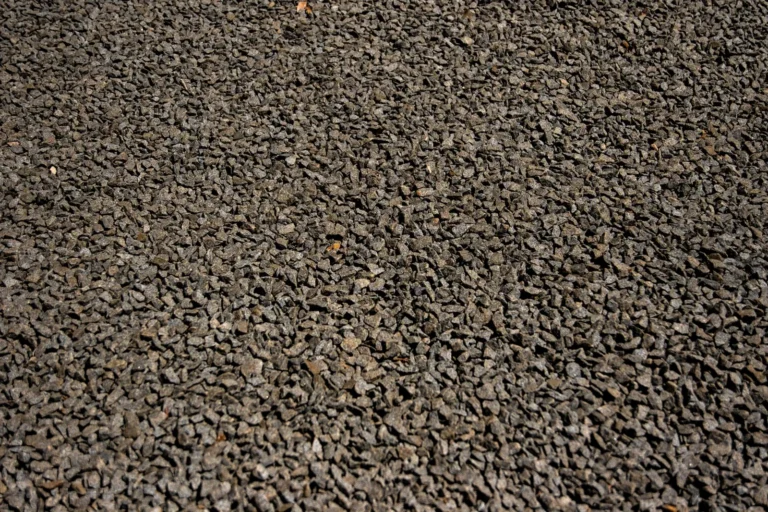
Curb appeal in 2026 extends below foot level. Homeowners are replacing cracked concrete walkways and patios with permeable pavers, gravel, and decomposed granite, which let rainwater soak into the ground instead of pooling or running off. It’s a practical response to heavier storms in some regions and tighter water rules in others.
A new paver walkway or entry landing runs $15 to $30 per square foot installed, while a gravel path with edging is far cheaper at $4 to $8 per square foot. Permeable pavers cost a bit more than standard ones but can reduce drainage problems that would otherwise show up as standing water near the foundation.
The table below summarizes how the main 2026 material trends compare on cost and upkeep:
| Feature | Warm neutral paint | Partial stone veneer | Native plant beds | Smart lighting |
|---|---|---|---|---|
| Typical cost | $1,800–$4,500 | $8–$12/sq ft | $1,500–$6,000 | $2,500–$6,500 |
| DIY potential | High | Low | High | Medium |
| Maintenance | Repaint every 7–10 yrs | Minimal | Low after year one | Low |
| Resale impact | High | Very high | Moderate | Growing |
The common denominator across all four: they look better with age instead of worse, which is exactly what homeowners want in a front yard they don’t plan to touch every weekend.
Frequently Asked Questions
What adds the most curb appeal for the least money?
A fresh front door, updated house numbers, and a layered container garden at the entry. You can do all three for under $1,500 and transform how the house reads from the street. Paint and a power wash are the other two near-free wins.
Are curb appeal upgrades worth it before selling?
Usually, yes. Exterior projects like garage doors, entry doors, and stone veneer consistently recover 100% or more of their cost at resale, according to national remodeling data. A tidy, inviting exterior also shortens time on market, which saves carrying costs.
What exterior colors are trending in 2026?
Warm neutrals lead — greige, taupe, soft clay, and mushroom — often paired with warm cream trim. Dark, saturated front doors (charcoal, deep green, burgundy) are the most common accent against those neutral backdrops.
How much does a full curb appeal refresh cost?
A realistic mid-range refresh — repaint, new entry door, some lighting, and refreshed beds — lands between $8,000 and $20,000. The high end assumes a stone veneer accent and pro landscaping; a DIY version of the same list can come in under $5,000.
Does smart lighting actually help sell a house?
It’s more of a buyer-perception win than a line-item appraiser adjustment. Homes that look warm and secure at dusk photograph better, show better during evening tours, and signal that the property is maintained — all of which support a stronger offer.
The Bottom Line
Curb appeal trends 2026 aren’t about chasing a single look; they’re about spending on the exterior where it pays back. Warm neutrals, mixed materials, a bold front door, native plantings, and layered lighting all point the same direction: a house that looks intentional, survives the climate, and asks less of its owner over time.
If you’re working with a smaller budget, start with the door, the numbers, and a power wash — the highest-impact dollars available. If you’re planning a bigger project, prioritize the entry, a stone or wood accent, and exterior lighting, since those recover the most at resale. For more affordable starting points, see our curb appeal ideas on a budget guide, and check out how to increase curb appeal to sell a house when you’re ready to list. For a data-backed look at which exterior upgrades hold their value, the Remodeling Cost vs. Value report tracks resale returns year over year.