Driveway Ideas and Materials: A Complete Buyer’s Guide
Your driveway does a lot of work for your house. It carries two cars, a delivery van, and a thousand trips from the mailbox to the front door. Yet most homeowners never think about it until the cracks show. When you finally start shopping for driveway ideas and materials, the range is wider than most people expect. Poured concrete, hot asphalt, loose gravel, interlocking pavers, cobblestone, and a handful of permeable, eco-friendly surfaces all compete for the same stretch of ground.
The material you choose sets the tone for your entire front yard, and it locks in both your upfront budget and your maintenance schedule for the next 20 to 30 years. This guide breaks down the seven main materials, what each one costs per square foot, and the design moves that make even a budget driveway look deliberate.
The Seven Main Driveway Materials, Ranked by Upfront Cost
Before you fall in love with a look, you need to know what it costs to put in. The figures below assume a contractor handles the full installation, including excavation, a compacted base, and edging, on a typical 500-to-700-square-foot residential driveway. Prices are ballpark national averages for 2026 and will shift with your region and soil conditions.
| Material | Installed cost per sq ft | Typical 600 sq ft total | Lifespan | Ongoing maintenance |
|---|---|---|---|---|
| Gravel / crushed stone | $1–$3 | $600–$1,800 | Indefinite with top-ups | Low, but needs raking and replenishing |
| Asphalt | $3–$7 | $1,800–$4,200 | 15–20 years | Sealcoat every 2–3 years |
| Concrete (poured) | $4–$10 | $2,400–$6,000 | 25–30 years | Occasional sealing and crack repair |
| Interlocking pavers | $10–$25 | $6,000–$15,000 | 25–40 years | Low; replace individual units if needed |
Stamped or colored concrete lands between $8 and $18 per square foot, while natural cobblestone can run $15 to $30 per square foot installed. Resin-bound gravel and permeable pavers sit in the $10-to-$30 range, largely because the base preparation is more involved.
The takeaway is simple: loose stone is the cheapest material on the market, poured concrete is the middle-of-the-road workhorse, and pavers or cobblestone are the premium statement pieces. None of them is objectively “best” — each one wins on a different set of priorities.
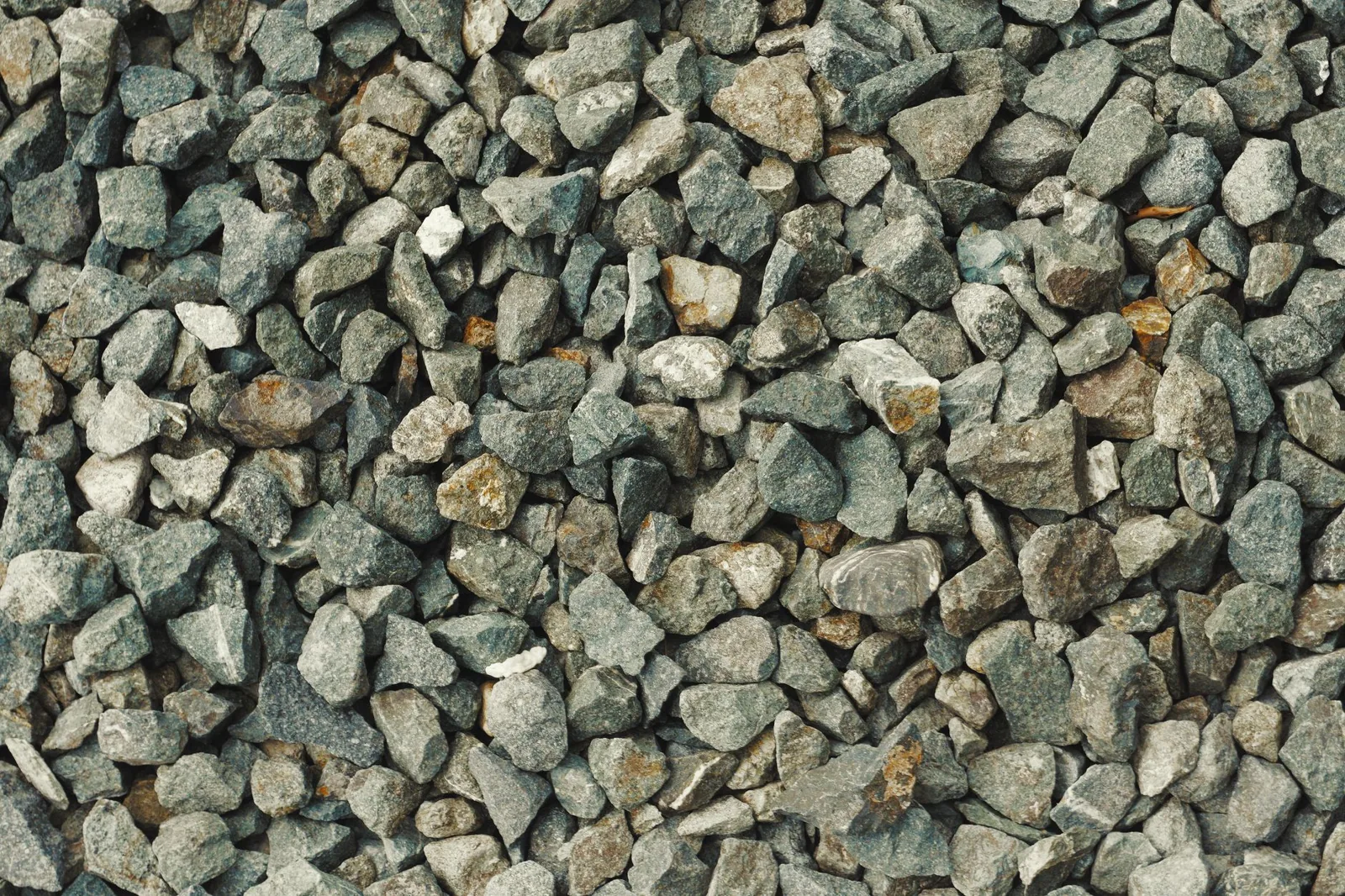
Photo by Fandy Much via Pexels
Driveway Ideas and Materials: A Closer Look at the Top Four
Four materials cover the overwhelming majority of residential driveways in the US, the UK, Canada, and Australia. Here is how each one actually performs once the contractor’s truck pulls away.
Poured Concrete
Concrete is the default for a reason. A properly poured 4-inch slab over a compacted gravel base can last 30 years or more. It also shrugs off the weight of a full-size pickup or SUV without rutting. The catch is water: concrete cracks when the ground beneath it freezes, thaws, or washes away, and those cracks are expensive to fix cleanly. In cold climates, ask for a 5-inch slab with rebar or wire mesh and control joints cut every 8 to 10 feet.
Asphalt
Asphalt costs 30 to 50 percent less than concrete up front and goes down fast — most residential pours are finished in a single day. It flexes slightly with the ground, so it tolerates freeze-thaw cycles better than concrete in northern states. The trade-off is lifespan: asphalt needs resealing every two to three years and usually gives up after 15 to 20 years before a full repave is required. For the exact sealcoating schedule and the tools involved, bookmark the asphalt driveway maintenance guide from This Old House.
Gravel
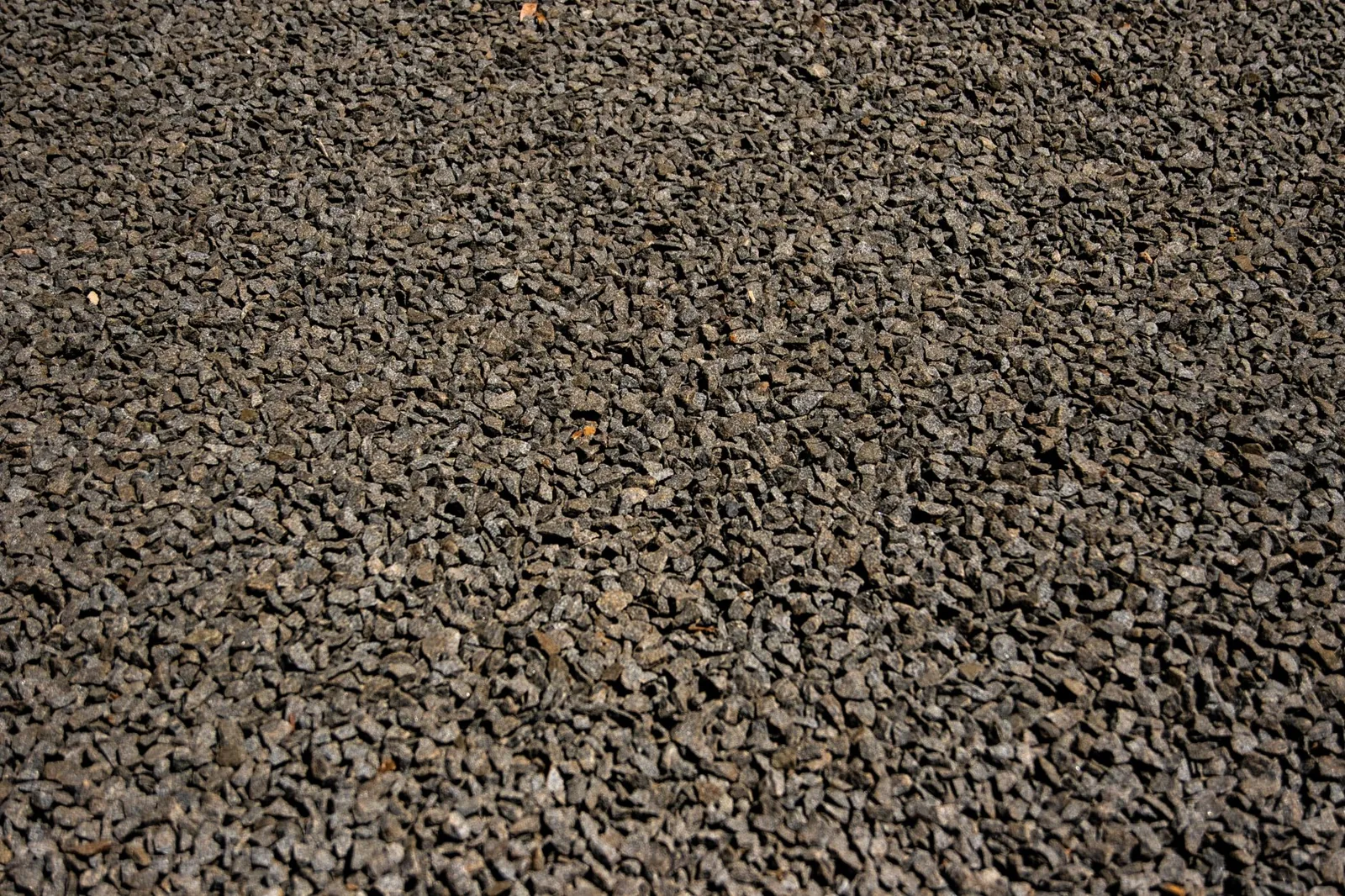
Gravel is the only driveway material most homeowners can install themselves over a weekend with a rented plate compactor. It drains instantly, which makes it the friendliest option in rainy climates, and a fresh top layer costs very little to add. The downsides are real: snow shoveling and snowblowing throw stones everywhere, the surface shifts under heavy traffic, and gravel can end up tracked into the house.
Interlocking Pavers
Concrete pavers are made in a mold, so every unit is identical, which means a tight fit and a clean look in brick, cobblestone, or modern plank shapes. Because the surface is made of individual units rather than a single slab, it never cracks — you can lift out a failing unit and swap in a fresh one. That durability explains the price, which is typically double or triple the cost of plain concrete.
Concrete vs Asphalt: How the Two Workhorses Compare
If you are torn between the two most common surfaces, this is the decision in plain terms:
- Pick concrete if you want the longest lifespan, the cleanest look, and you can stomach a higher upfront bill and a longer cure time.
- Pick asphalt if you live in a cold, freeze-thaw climate, you need the driveway done fast, or you want to keep the initial cost down.
- Pick concrete if you plan to stay in the home long term and care about resale presentation; a stained or stamped concrete apron reads as premium.
- Pick asphalt if you are resurfacing rather than replacing — contractors can often lay asphalt as a new layer over an existing, sound asphalt base, cutting cost by a third.
A common upgrade path is to pour a concrete driveway and then accent the borders or the entry apron with brick or paver banding. That hybrid approach gets you most of the premium look at a fraction of the full-paver price, and it is one of the smarter ways to stretch a driveway budget.
Gravel: The Budget Pick With a Catch
Gravel deserves its own section because it is simultaneously the cheapest and the most misunderstood driveway material.
A 600-square-foot gravel driveway costs well under $2,000 to install, and in many cases under $1,000 if you handle the base work yourself. Family Handyman’s guide to building a gravel driveway lays out the base-prep steps in detail for anyone tackling the job as a DIY project. For that money you get a surface that drains better than anything poured, a natural look that suits rural and cottage-style homes, and the option to top it up every few years for a few hundred dollars instead of ever paying for a full replacement.
The catches are the ones that frustrate people after the fact:
- Snow removal is genuinely harder. A snowblower set too low will pick up stones and fling them into the yard or a window. Many gravel-driveway owners leave an inch of snow down and let the sun finish the job.
- Edging is non-negotiable. Without a solid border of steel, timber, or paver edging, gravel migrates into the lawn within a season.
- Weeds find their way through. A quality landscape fabric underneath slows them, but you will still spot-treat with a weed torch or herbicide a few times a year.
If you want the gravel look with fewer headaches, consider a resin-bound surface: washed stone bound in a clear resin that stays permeable but holds firm. It costs $8 to $15 per square foot — a big jump from loose gravel, but it eliminates the tracking and rutting problems entirely.
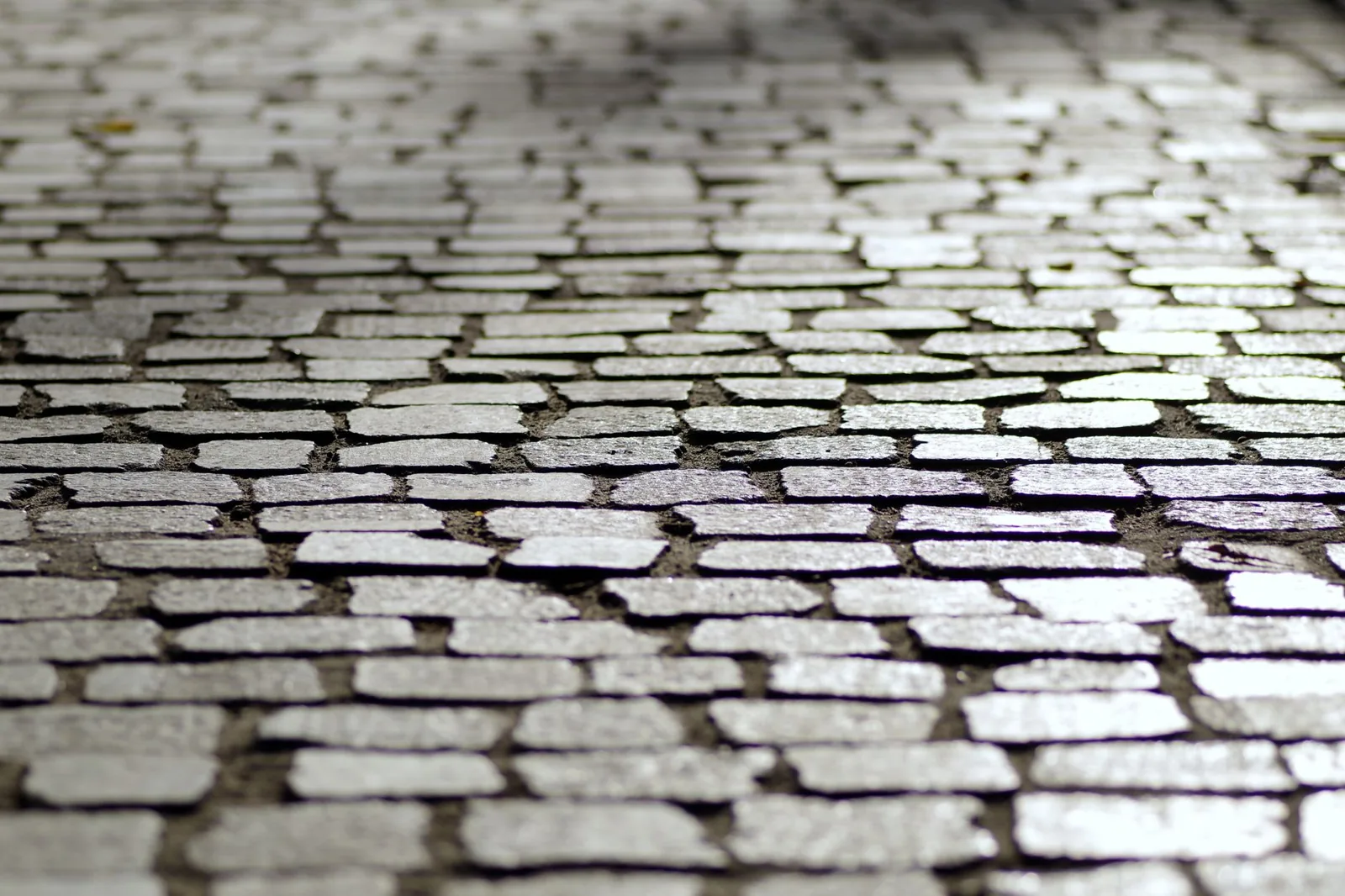
Photo by Pixabay via Pexels
Paver, Cobblestone, and Brick Driveways for Premium Curb Appeal
When curb appeal is the point, a paver or cobblestone driveway is the single biggest visual upgrade you can make at the street line — short of redoing the whole house.
Interlocking concrete pavers come in three broad families worth knowing:
- Brick-style pavers in warm red and brown tones read as classic and suit colonials, bungalows, and traditional homes.
- Cobblestone-style pavers with tumbled, rounded edges give a driveway an old-world European feel.
- Modern plank pavers in long rectangles and cool gray tones match contemporary and mid-century architecture.
Natural cobblestone — genuine granite setts — is the top of the market at $15 to $30 per square foot. It is effectively indestructible and will still be there in 50 years, but the installation is slow and labor-heavy, which is where the cost comes from.
Two practical notes on pavers. First, they require a deeper, more carefully compacted base than concrete or asphalt, so a cheap paver quote that skimps on the base is a red flag — it will settle and wave within a few years. Second, pavers are the easiest driveway to repair: a cracked or stained unit lifts out with a couple of flathead screwdrivers and a fresh one drops in. Over a 40-year horizon, that repairability quietly closes the cost gap with concrete.
Driveway Design Ideas That Cost Little but Add a Lot
You do not need to spend $10,000 to make a driveway look expensive. Several low-cost moves deliver outsized curb appeal, and they work on almost any surface:
- Band the edges. A single row of contrasting pavers or a strip of cobblestone along each side of a concrete or asphalt driveway frames it like a rug. Budget a few hundred dollars in materials.
- Light it. Low-voltage path lights along the driveway edge cost around $30 to $60 per fixture and make the house feel safer and more finished at night. Pairing this with a broader plan of exterior lighting ideas for homes multiplies the effect.
- Add a front border of planting. A low hedge or a strip of groundcover along the driveway’s street edge softens the hardscape. See best curb appeal plants and bushes for varieties that hold their shape without constant trimming.
- Widen the entry apron. Flaring the driveway wider where it meets the garage or the street looks custom and costs almost nothing extra when you are already pouring.
- Match the walkway. Using the same paver or color family for both the driveway border and the front walk ties the whole front yard together.
If you are planning a bigger refresh, a driveway is usually the anchor piece of a full exterior update — budget for it alongside the rest of your home exterior renovation cost breakdown so the numbers land in one place.
Frequently Asked Questions
What is the cheapest driveway material?
Gravel and crushed stone are the cheapest options at roughly $1 to $3 per square foot installed. A 600-square-foot gravel driveway typically costs between $600 and $1,800, and a capable DIYer can cut that further by handling the base prep themselves.
What is the longest-lasting driveway material?
Natural cobblestone and well-installed interlocking pavers last the longest, often 40 to 50 years or more with light maintenance. Among poured options, concrete at 25 to 30 years outlasts asphalt, which generally needs resurfacing or replacement after 15 to 20 years.
How much does a new concrete driveway cost?
A standard poured concrete driveway costs about $4 to $10 per square foot installed, so a typical 600-square-foot driveway runs $2,400 to $6,000. Stamped or colored concrete adds roughly $4 to $8 per square foot on top of that.
Do I need a permit to replace my driveway?
In many municipalities, yes — especially if the project changes the drainage pattern, crosses a sidewalk, or expands the driveway’s width at the street. Check with your local building department before you sign a contract; a reputable contractor will usually handle this, but it is worth confirming in writing.
Is a permeable driveway worth it?
Permeable pavers and resin-bound gravel can be worth the premium if you live in an area with stormwater fees, flooding problems, or strict runoff rules, because they let water soak into the ground instead of streaming into the street. They cost more up front but can qualify for local incentives and reduce long-term drainage headaches.
The Bottom Line
Your driveway is one of the largest hard surfaces on your property, and it is on display every single day. The right choice of driveway ideas and materials balances three things at once: what you can afford now, what your climate and soil will tolerate, and how much maintenance you are honestly willing to do.
If you want the cheapest path and do not mind occasional raking, gravel is hard to beat. If you want decades of low-fuss service in a cold climate, asphalt earns its keep. If you want the best all-around longevity for the money, poured concrete is the safe default. And if curb appeal is the whole point, a paver or cobblestone driveway is the upgrade that pays you back every time you pull into the house.
Before you commit, get at least three written quotes, confirm what is included (excavation, base, edging, and disposal are the usual gaps), and ask each contractor how they handle drainage. The driveway that looks best on paper is not the one that looks best in the driveway — it is the one that still looks right five winters from now.