Garage Door Replacement Cost and Ideas for 2026
A garage door is the single largest moving part on most homes, and it can eat up a third of the front-facing facade. When it starts sagging, sticking, or losing panels to rust and dents, replacement stops being a cosmetic question and becomes a structural one. Understanding garage door replacement cost and ideas before you shop keeps you from overpaying for a door that doesn’t match your house.
Most homeowners in the United States spend between $1,200 and $4,000 to replace a garage door, including installation. A basic single steel door might run $600 to $1,500 all-in, while a custom wood carriage-style door on a two-car opening can push past $8,000. Where your project lands depends on material, size, insulation, and how much labor your local market demands.
This guide breaks down real numbers, the materials worth the money, and the design ideas that raise your home’s curb appeal the most.
How Much Does Garage Door Replacement Cost?
The national average for a full garage door replacement sits around $2,300, according to figures from home-improvement industry tracking. But “average” hides a lot of spread. Here’s how the cost typically breaks down by door type for a standard 16-foot-wide, 7-foot-tall two-car opening.
| Door Type | Material Cost | Installed Cost | Best For |
|---|---|---|---|
| Single-layer steel | $400–$900 | $900–$1,800 | Budget, detached garages |
| Insulated steel (double-layer) | $800–$1,500 | $1,500–$3,000 | Attached garages, cold climates |
| Aluminum frame with glass | $1,000–$2,000 | $2,000–$4,500 | Modern and mid-century homes |
| Solid wood / wood composite | $1,200–$3,500 | $2,500–$6,000 | Craftsman, farmhouse, high-end |
| Custom carriage-house style | $2,000–$5,000+ | $4,000–$9,000+ | Historic and luxury homes |
Labor for a standard replacement usually runs $200 to $800 on top of the door itself, depending on whether the old door, tracks, and springs all come out. Expect to add $150 to $400 if you also replace the opener.

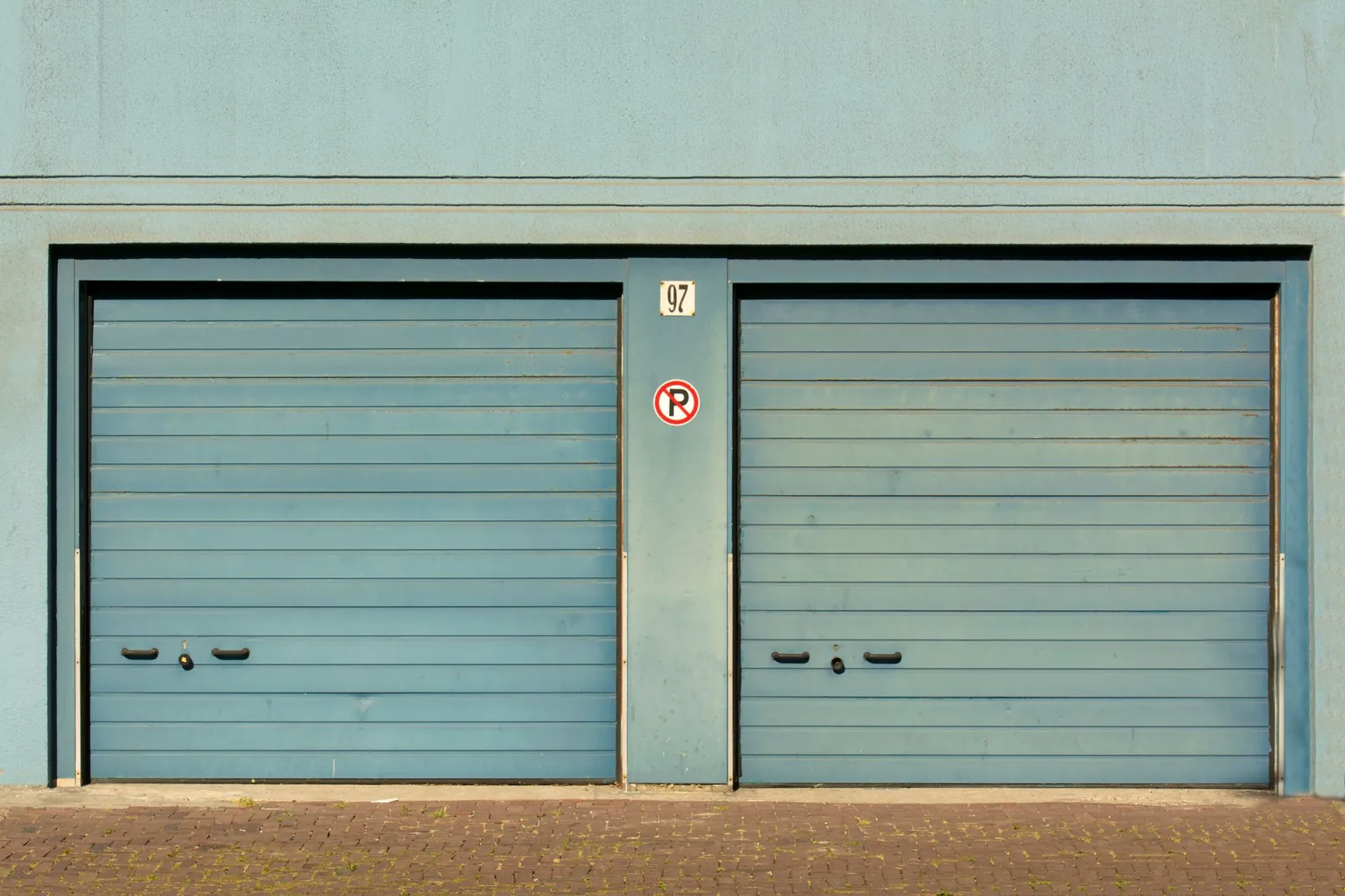
Photo by Jan van der Wolf via Pexels
Garage Door Replacement Cost by Material
The material is the biggest single lever on price, and it also decides how long the door lasts and how much you’ll spend maintaining it.
Steel
Steel dominates the market for a reason. A single-layer steel door is the cheapest option, but it dents easily and offers almost no insulation. Step up to a double-layer door with a polystyrene core and the garage stays noticeably warmer, which matters if the garage shares a wall with your living space. Powder-coated steel resists rust well and needs only an occasional wash.
Aluminum
Aluminum doors weigh less than steel and resist corrosion, which makes them a favorite in coastal areas. The trade-off is durability: aluminum dents more readily, and full-view glass panels push the price up fast. Count on $2,000 to $4,500 installed for a contemporary full-view door.
Wood and Wood Composite
Real wood delivers warmth that no factory finish can fully imitate, but it demands sanding, staining, or painting every couple of years. Wood composite doors use recycled wood fibers bonded with resin to get much of the look with less upkeep. Both sit at the high end of the garage door replacement cost range.
Fiberglass and Vinyl
Fiberglass handles salt air well and resists dents better than aluminum, while vinyl is nearly dent-proof and needs almost no maintenance. Neither offers the same structural heft as steel, but for mild climates they’re a solid mid-price pick.
Garage Door Ideas That Add Curb Appeal
A new door should do more than open and close. These are the design moves that make the biggest visual difference for the money.
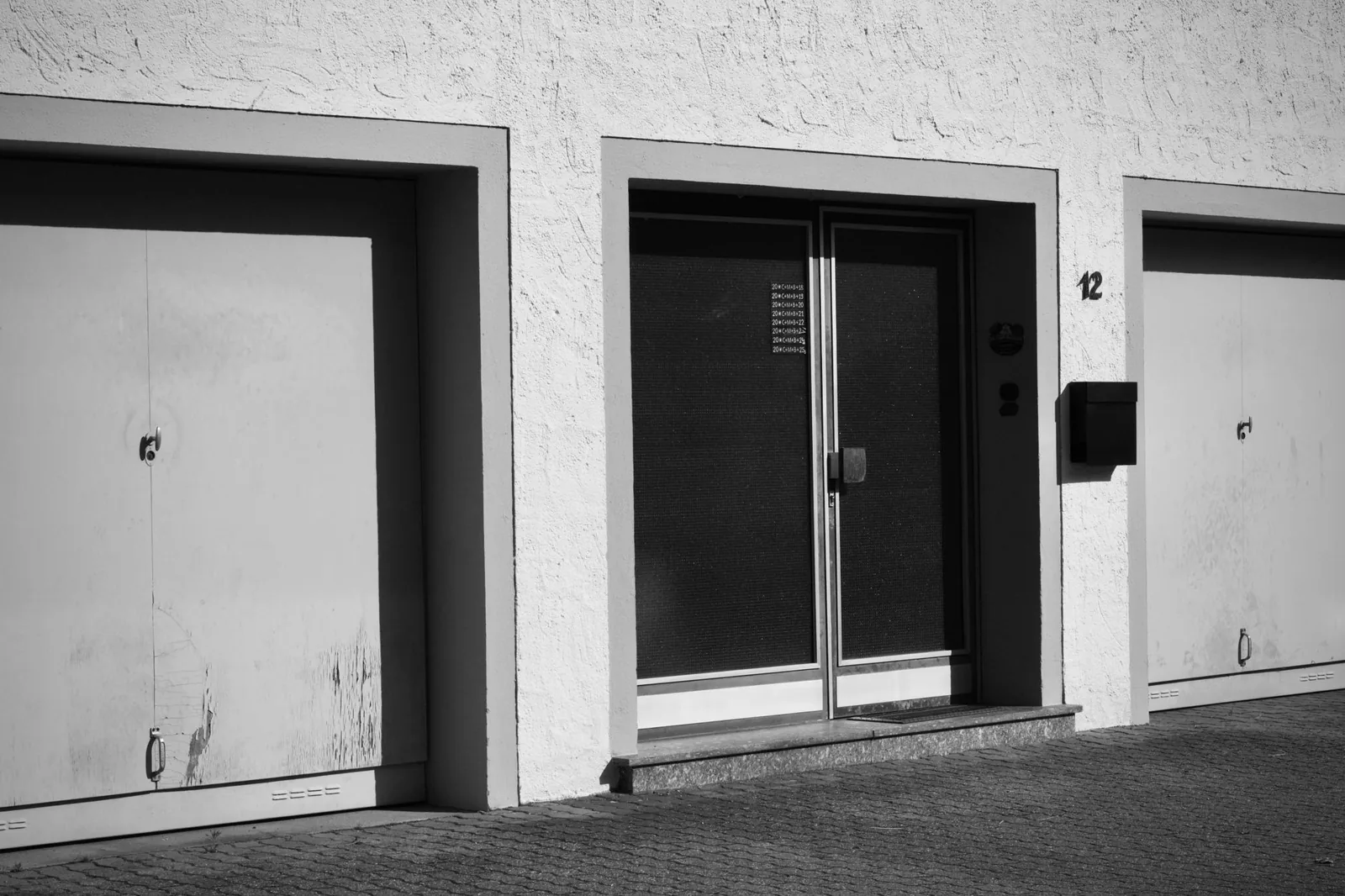
Photo by Peter Dyllong via Pexels
- Carriage-house styling. Faux hinges, crossbucks, and recessed panels give a plain door the look of a pair of swinging barn doors for a fraction of the cost of real wood.
- Windows along the top row. A single row of frosted or seeded-glass windows breaks up a blank panel and echoes the home’s window style. Add $200 to $600.
- Match the front door color. Painting the garage door the same accent color as the front door ties the whole facade together instantly.
- Two-tone or wood-look finish. A woodgrain embossed steel door reads as timber from the street while keeping steel’s low maintenance.
- Modern flush panels. For contemporary homes, flat, hardware-free panels in charcoal or matte black look sharper than a busy raised-panel design.
Factors That Drive Garage Door Replacement Cost
Several variables move your final quote more than the sticker price of the door.
- Size. A single 8×7 door is the cheapest; a 16×7 double door costs more; oversized or custom-height openings add $500 to $2,000.
- Insulation (R-value). A non-insulated door has an R-value near 1, while a premium insulated door can hit R-18 or more. Higher R-value means a higher price but lower heating and cooling bills if the garage is heated.
- Springs and hardware. Torsion springs rated for 10,000 to 20,000 cycles cost more upfront but last far longer than budget extension springs.
- Old door removal and disposal. Most installers bundle removal into the quote, but haul-away fees of $50 to $150 occasionally show up as a separate line.
- Opener replacement. If the opener is more than 10 to 15 years old, replacing it at the same time saves a second service call later. A belt-drive opener with battery backup typically adds $250 to $500 installed, while a smart Wi-Fi opener runs $300 to $600.
What to Check Before You Buy
A little homework before calling installers keeps quotes comparable and prevents surprise line items.
- Measure the opening, not the old door. Record width, height, and headroom above the opening. Oversized or non-standard openings are the most common source of surprise upcharges.
- Decide on insulation up front. Request a specific R-value (say R-12 or R-18) rather than “insulated,” so every quote covers the same spec.
- Ask about spring cycle rating. Budget torsion springs last roughly 10,000 cycles; heavier 20,000-cycle springs cost more but can double the door’s trouble-free lifespan.
- Confirm what’s included. Get in writing whether the quote covers removal, haul-away, new track, weatherstripping, and a post-install balance test.
- Check the warranty. Look for at least a 10-year section warranty and a separate lifetime or long-cycle warranty on hardware and springs.
Garage Door Replacement ROI and When to Replace
A garage door replacement consistently ranks near the top of home-improvement projects for return on investment. Remodeling Magazine’s Cost vs. Value report has repeatedly put the project’s ROI above 90%, and in several years it has exceeded 100%, meaning the resale bump covers the full cost. Few exterior upgrades recover their money so reliably.
Signs it’s time to replace rather than repair include a door that won’t balance, visible rust through the panels, a broken or sagging frame, or repair quotes that keep stacking up. If the door is more than 15 years old and needs both springs and several panels, replacement usually makes more financial sense than patching.
If you’re planning a broader exterior refresh, our home exterior renovation cost breakdown walks through the full budget, and how to increase curb appeal to sell house explains how a new door fits a pre-listing strategy. For style direction, see modern farmhouse exterior ideas.
Frequently Asked Questions
How much does it cost to replace a garage door in 2026?
Most homeowners pay between $1,200 and $4,000 installed, with a national average around $2,300. A basic single steel door can come in under $1,000, while custom wood doors regularly exceed $6,000.
Is a new garage door worth the cost?
Yes, for most homes. The project routinely returns more than 90% of its cost at resale and is among the most reliable curb-appeal upgrades you can make. It also improves energy efficiency and security immediately.
How long does a garage door replacement take?
A professional crew usually removes the old door and installs the new one in four to eight hours. Ordering a custom-size or custom-finish door can add two to six weeks of lead time before installation day.
Can I install a garage door myself to save money?
A light single door can be DIY-installed, but torsion springs hold dangerous tension and cause serious injuries when mishandled. For anything beyond a simple panel swap, hiring a pro is worth the labor cost, and some manufacturers void warranties on self-installed doors.
What garage door style adds the most value?
Carriage-house and wood-look steel doors tend to deliver the strongest visual impact and resale return, followed closely by insulated steel doors with upper windows that match the home’s architecture.
The Bottom Line
Garage door replacement cost and ideas don’t have to be a guessing game. Expect to spend $1,200 to $4,000 for most homes, with steel as the value pick and wood or carriage-house styling as the statement upgrade. Choose a door that matches your home’s era, pay for insulation if the garage is attached, and don’t cheap out on springs. For reliable material and installation guidance, This Old House and Family Handyman both publish detailed, current buying advice.
A garage door is one of the few exterior projects that pays you back twice: once in everyday function and again at resale. Get three written quotes, compare the same insulation level and hardware spec across all three, and you’ll land on a fair price for a door that improves the whole front of your house.