Best House Siding for Cold Climates: Durable Options for Snow, Ice, and Freeze-Thaw
Choosing the best house siding for cold climates is less about curb appeal and more about how a material behaves when the temperature swings from -20°F to 40°F inside a single week. Freeze-thaw cycles, wind-driven snow, ice dams, and road-salt spray all hammer your exterior walls from October through April. A siding product that looks great in a showroom can warp, crack, or pull away from the house after two brutal winters if it was never engineered for that kind of abuse.
The good news is that manufacturers now design several siding lines specifically around thermal stress. Fiber cement, insulated vinyl, engineered wood, and steel all hold up far better than basic materials when the mercury drops. What matters is understanding why each one works, what it costs, and where the weak points are before you spend $10,000 to $30,000 on a replacement.
This guide breaks down the materials that genuinely earn the title of best house siding for cold climates, the ones to avoid, and the installation details that matter more than the product itself in a freezing climate.
What Cold Weather Actually Does to Siding
Cold alone rarely destroys siding. It’s the cycles that do the damage. When moisture sits on or behind a panel and the temperature dips below freezing, that water expands by roughly 9% as it turns to ice. Repeated freeze-thaw cycles work like tiny hydraulic jacks, prying at seams, fasteners, and caulk joints until something gives.
That’s why the best house siding for cold climates shares four traits. First, it’s dimensionally stable, meaning it doesn’t expand and contract much with temperature swings. Vinyl, for example, can move up to half an inch per 12-foot panel, which is why it’s installed with room to slide. Second, it resists moisture absorption. Wood that soaks up meltwater freezes, swells, and eventually rots. Third, it tolerates impact from hail and from ice sliding off the roof. Fourth, it holds fasteners firmly even when the sheathing behind it gets cold and stiff.
Snow load matters too. Deep drifts piled against the lower wall keep that section wet and cold for months. If the siding or the flashing above it is compromised, that’s where meltwater seeps behind the panels and freezes, pushing them loose. A material can look flawless and still be failing invisibly behind the surface.
The Best House Siding for Cold Climates: Four Top Contenders
The table below summarizes how the strongest cold-weather siding options compare on the factors that decide whether your exterior survives a decade of hard winters.
| Feature | Fiber Cement | Insulated Vinyl | Engineered Wood | Steel |
|---|---|---|---|---|
| Freeze-thaw resistance | Excellent | Good to very good | Good | Excellent |
| Moisture resistance | Excellent | Excellent | Moderate | Excellent |
| Thermal movement | Low | High (needs expansion room) | Low | Moderate |
| Hail / impact resistance | Very good | Moderate | Good | Very good |
| Installed cost (per sq ft) | $5–$13 | $4–$8 | $6–$12 | $6–$14 |
| Typical lifespan | 30–50 years | 25–40 years | 20–30 years | 40+ years |
Fiber Cement Siding
Fiber cement — best known by the James Hardie brand — is the most popular premium choice for cold regions, and for good reason. It’s a dense composite of cement, sand, and cellulose fibers that barely moves with temperature change and doesn’t absorb water the way solid wood does. It won’t rot, won’t fuel insects, and carries Class 1(A) fire ratings.
For freeze-thaw performance, the key is proper installation. Fiber cement must be installed with correct clearances — off the roof line, off hard surfaces, and with every cut edge primed and sealed. When a contractor skips those steps, water wicks into the cut ends, freezes, and causes the panel to delaminate. Done right, James Hardie’s HardiePlank and HardiePanel lines routinely carry 30-year limited warranties and handle Minnesota and Alberta winters without complaint.
Insulated Vinyl Siding
Standard vinyl gets a bad rap in cold climates because it becomes brittle below freezing and can crack on impact. Insulated vinyl — vinyl with a fused foam backing — changes the equation. The foam adds rigidity, so panels resist sagging and stand up better to cold-weather bumps. It also provides a modest R-value boost, typically R-2 to R-3.5, and reduces the hollow, flimsy feel.
Vinyl’s real cold-weather strength is that it never absorbs moisture and never rots. Its weakness is thermal movement: panels must be nailed loosely with slots rather than driven tight, or they’ll buckle as they contract in January. For homeowners who want low upfront cost and near-zero maintenance, insulated vinyl from brands like CertainTeed and Mastic remains a solid pick — just insist on a contractor who understands cold-weather nailing patterns.
Engineered Wood Siding
Engineered wood — LP SmartSide is the category leader — is real wood strands bonded with resins and wax and pressed into dense, stable boards. It looks like natural wood but resists moisture far better than traditional cedar or pine lap siding. The wax and resin treatment lets it shrug off freeze-thaw cycles that would split solid wood.
SmartSide carries a 5/50-year limited warranty and takes paint well, which matters because a good paint film is the first line of defense against moisture in any wood-based product. In very wet, coastal cold climates, the cut edges still need careful sealing, but for most snowy inland regions engineered wood is a strong, warm-looking middle ground between vinyl and fiber cement.
Steel Siding
Steel siding is the quiet overachiever of cold-climate exteriors. It’s dimensionally stable, completely immune to rot and insects, and shrugs off hail that would dent aluminum or crack vinyl. Steel also reflects heat well, which helps keep an exterior from building up snowmelt in the wrong places.
The tradeoffs are cost and weight. Steel panels from brands like EDCO and Quality Edge run toward the upper end of the price range and require specialized installation. They can dent under a hard enough impact, and scratches need touch-up paint to prevent rust. But for homeowners in hail-prone, high-wind, sub-zero regions who want a siding they’ll install once, steel is hard to beat.
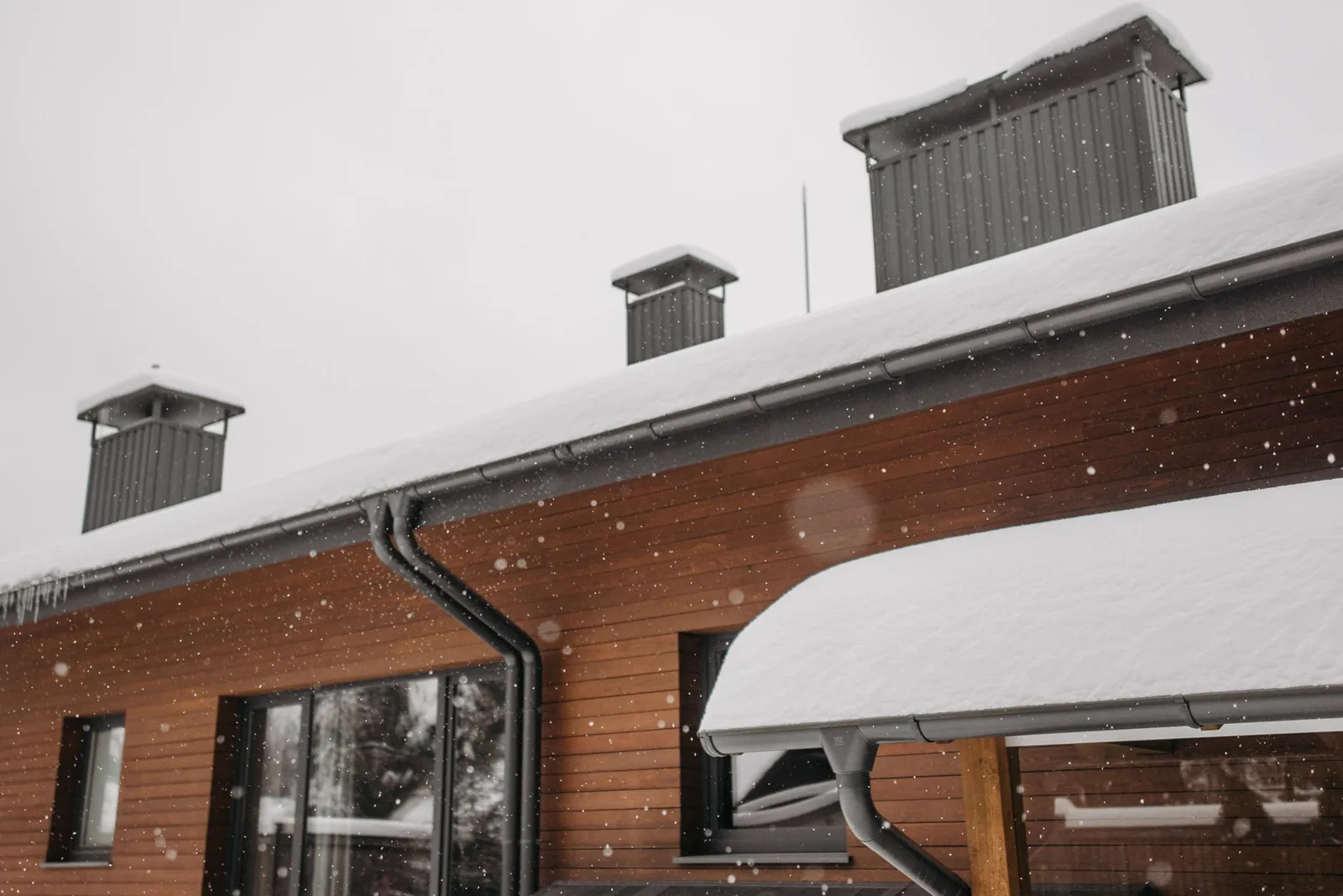
Photo by Pavel Danilyuk via Pexels
Siding Materials to Think Twice About in Cold Regions
Not every siding sold in the U.S. belongs on a house that sees real winter. A few popular options underperform badly when the temperature drops.
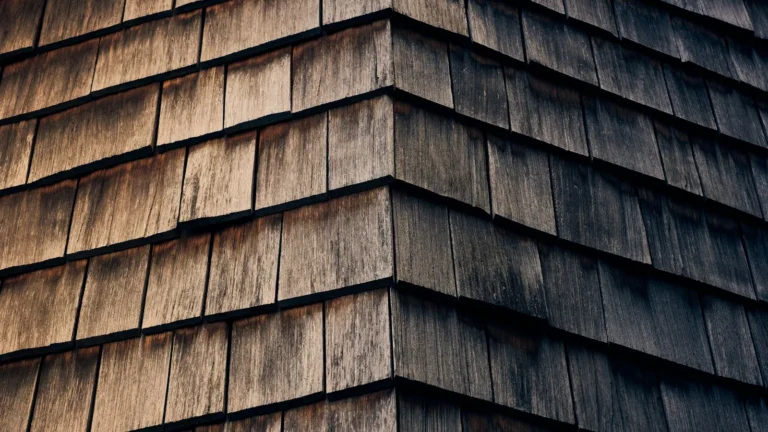
- Solid wood (cedar, pine, fir). Beautiful, but it absorbs moisture, freezes, and swells. In snowy climates it demands repainting or re-staining every few years, and neglected boards rot from the inside out.
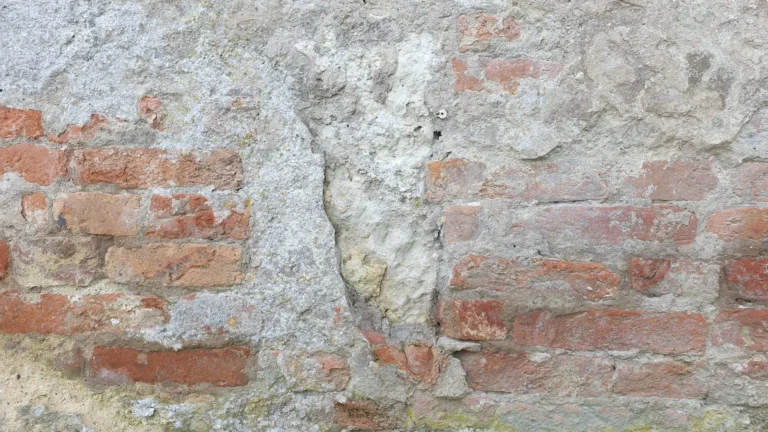
- Stucco. Traditional three-coat stucco is rigid and brittle. Freeze-thaw cycling plus any foundation settling produces hairline cracks that let water in, which then freezes and widens the crack. Cold, wet climates are stucco’s worst environment.
- Brick veneer (when poorly flashed). Brick itself survives cold fine, but the veneer cavity behind it is where freeze-thaw damage concentrates. If weep holes and flashing are wrong, ice buildup can spall the face of the brick.
- Thin-gauge aluminum. Aluminum dents easily under hail and ice, and it expands noticeably with temperature change, which can pop fasteners over time.
That’s not to say these materials can never work in a cold climate — a properly detailed brick wall lasts a century in Chicago. The point is that they demand more from your installer and your maintenance budget than the four options above.
Insulation, Water Management, and the Thermal Envelope
In freezing climates, the siding is only one layer of a system. What’s behind it — housewrap, flashing, insulation, and a well-sealed thermal envelope — often matters more than the panel you can see.
The U.S. Department of Energy’s guidance on continuous exterior insulation is worth reviewing for anyone building or re-siding in a cold climate. Adding a layer of rigid foam board under the siding moves the dew point out of the wall cavity, which prevents condensation from forming inside your walls during winter. That condensation, not the cold air itself, is what rots sheathing and framing. If you’re re-siding anyway, it’s the cheapest time in a home’s life to add exterior insulation, because the walls are already open.
Water management is the other half of the equation. The best house siding for cold climates still fails if the housewrap is torn, the window flashing is taped wrong, or the bottom edge of the wall isn’t protected by a proper weep screed or starter strip. In snowy regions, pay special attention to the first few feet above grade, where plowed snow piles up and sits for months. A water-resistant barrier and a well-drained gap behind the siding are non-negotiable there.
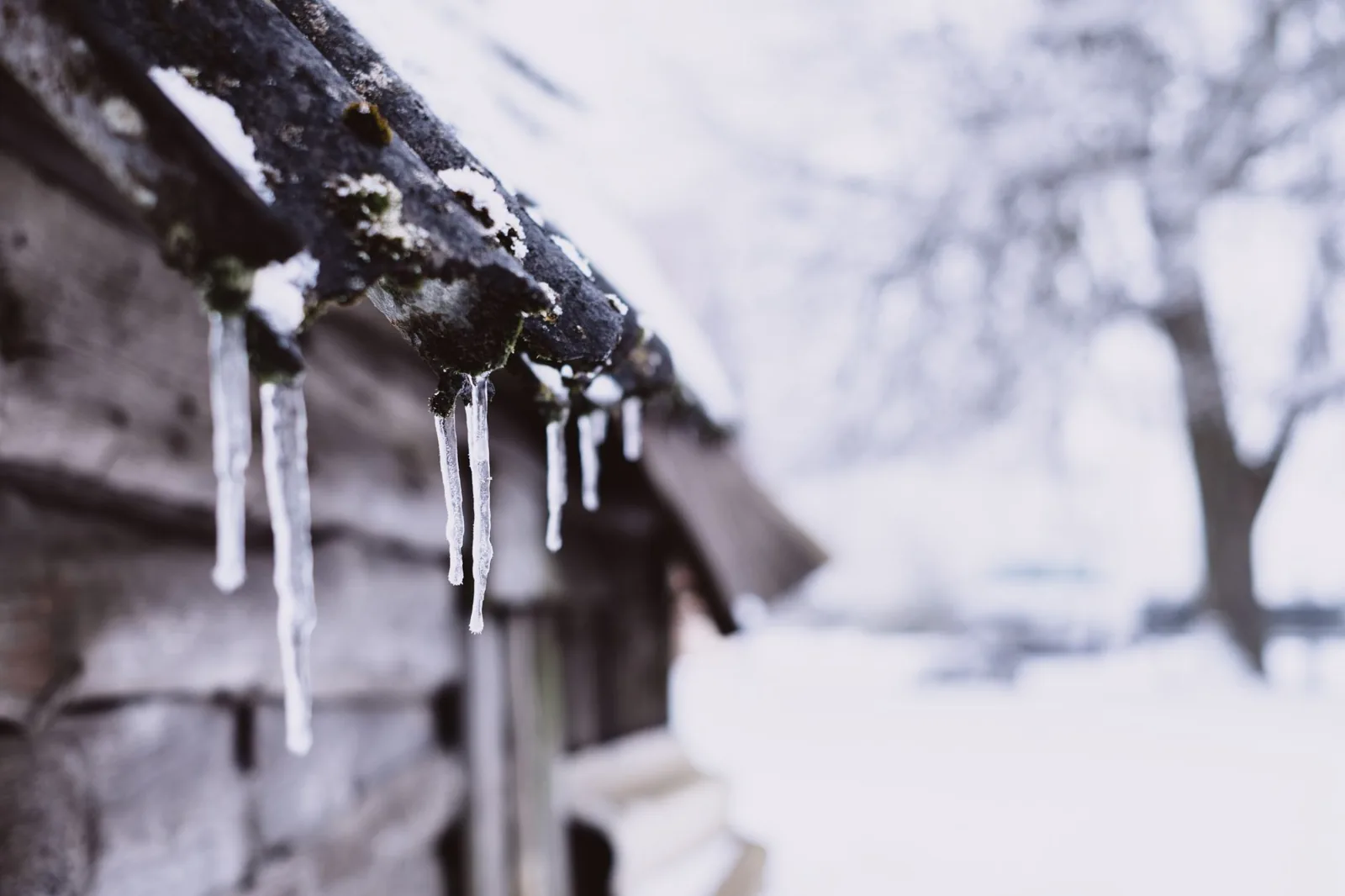
Photo by freestocks.org via Pexels
How Much Siding Costs in Cold Climates
Expect to pay more than the national average in cold regions, because the job specifications are stricter. A typical 1,500-square-foot house needs roughly 1,300 to 1,500 square feet of siding, and cold-climate upgrades — better housewrap, exterior insulation, ice-and-water flashing, and premium underlayment — add $2,000 to $6,000 to the total.
As a rough budget, insulated vinyl lands around $6,000 to $11,000 installed on that size of home. Engineered wood runs $9,000 to $16,000. Fiber cement, the most common premium choice, typically falls between $12,000 and $20,000, and steel can reach $15,000 to $24,000 depending on gauge and profile. For a full cost breakdown by material and labor, see our guide to house siding cost per square foot.
Whatever material you choose, get three quotes and compare them line by line. The lowest bid in a cold climate is often the one that skipped the insulation and flashing details you’ll pay for later in ice damage and heat loss.
Frequently Asked Questions
What is the most durable siding for extreme cold?
Fiber cement and steel are the two most durable options for extreme cold. Both are dimensionally stable, moisture-resistant, and hold up through repeated freeze-thaw cycles. Fiber cement (James Hardie) is the more common choice for its balance of cost, looks, and proven performance; steel edges it out on hail and impact resistance.
Does vinyl siding crack in cold weather?
Standard vinyl can become brittle and crack on impact when temperatures drop well below freezing, and installers must nail it loosely so it can contract without buckling. Insulated vinyl with a fused foam backing is stiffer and much less prone to cold-weather damage, making it a better choice in northern climates.
Is fiber cement siding good in freezing temperatures?
Yes. Fiber cement is one of the best house siding options for freezing temperatures because it barely moves with temperature change and resists moisture. The catch is installation: cut edges must be primed and sealed, and clearances must be correct, or freeze-thaw cycles will eventually delaminate the panels.
How do I prevent ice damage to my siding?
Keep gutters clean so meltwater drains away instead of backing up into the wall, maintain a water-resistant barrier and intact flashing behind the siding, and seal every cut edge and penetration. Adding exterior insulation keeps the wall cavity dry, which stops the condensation-and-freeze cycle that does most of the hidden damage.
The Bottom Line
The best house siding for cold climates is the one engineered for the specific abuse your region dishes out — and installed so water and ice never get behind it. Fiber cement is the safe, proven premium pick for most snowy regions. Insulated vinyl delivers the best value for budget-conscious homeowners. Engineered wood gives you a warm, natural look with better cold performance than solid lumber, and steel is the set-it-and-forget-it option for hail country.
Just remember that no siding survives a bad installation. Budget for continuous exterior insulation, a quality water-resistant barrier, and proper flashing before you sweat the color. If you’re still deciding between materials, our house siding options compared guide walks through every major product side by side, and our breakdown of vinyl siding vs fiber cement tackles the two most common choices head to head. For a deeper look at whether natural wood is right for your home, see wood siding pros and cons. And before you commit, confirm your contractor’s cold-weather installation practices with the experts at This Old House and the U.S. Department of Energy, both of which publish detailed siding and insulation guidance.