Stone Veneer vs Brick Veneer Cost: What You’ll Pay in 2026
If you’re weighing a masonry look for your home’s exterior, the first question almost always comes down to money. The stone veneer vs brick veneer cost difference is real, but it’s not as wide as most homeowners assume. On a national average, installed manufactured stone veneer runs $11 to $18 per square foot, while brick veneer lands at $10 to $17 per square foot. The gap is driven mostly by labor and material quality, not by some enormous premium on one side.
That’s the short answer. The longer one depends on what you’re actually buying — manufactured versus natural stone, real clay brick versus thin brick — and how much of your wall you plan to cover. A front accent wall is a weekend-scale budget decision; a full four-side wrap is a serious renovation line item. This guide breaks down the real numbers so you can compare both options side by side.
Before you commit, it helps to see how veneer stacks up against other siding choices on cost. Check out our house siding cost per square foot breakdown for the full picture, and our house siding options compared guide for how masonry fits among vinyl, fiber cement, and wood.
What “Veneer” Actually Means (and Why It Matters for Cost)
A veneer is a non-structural facing layer. Unlike full-bed masonry, which carries load, a veneer is applied to the face of a framed wall over a moisture barrier, metal lath, or a panel system. That distinction is the single biggest reason veneer is affordable enough for average homes: you’re not paying for foundation work, extra structural support, or a mason building a load-bearing wall.
This applies to both stone and brick:
- Stone veneer is thin-cut natural stone (typically 3/4″ to 1-1/2″ thick) or, far more commonly, manufactured stone — a concrete-and-pigment product molded to look like fieldstone, ledgestone, or river rock.
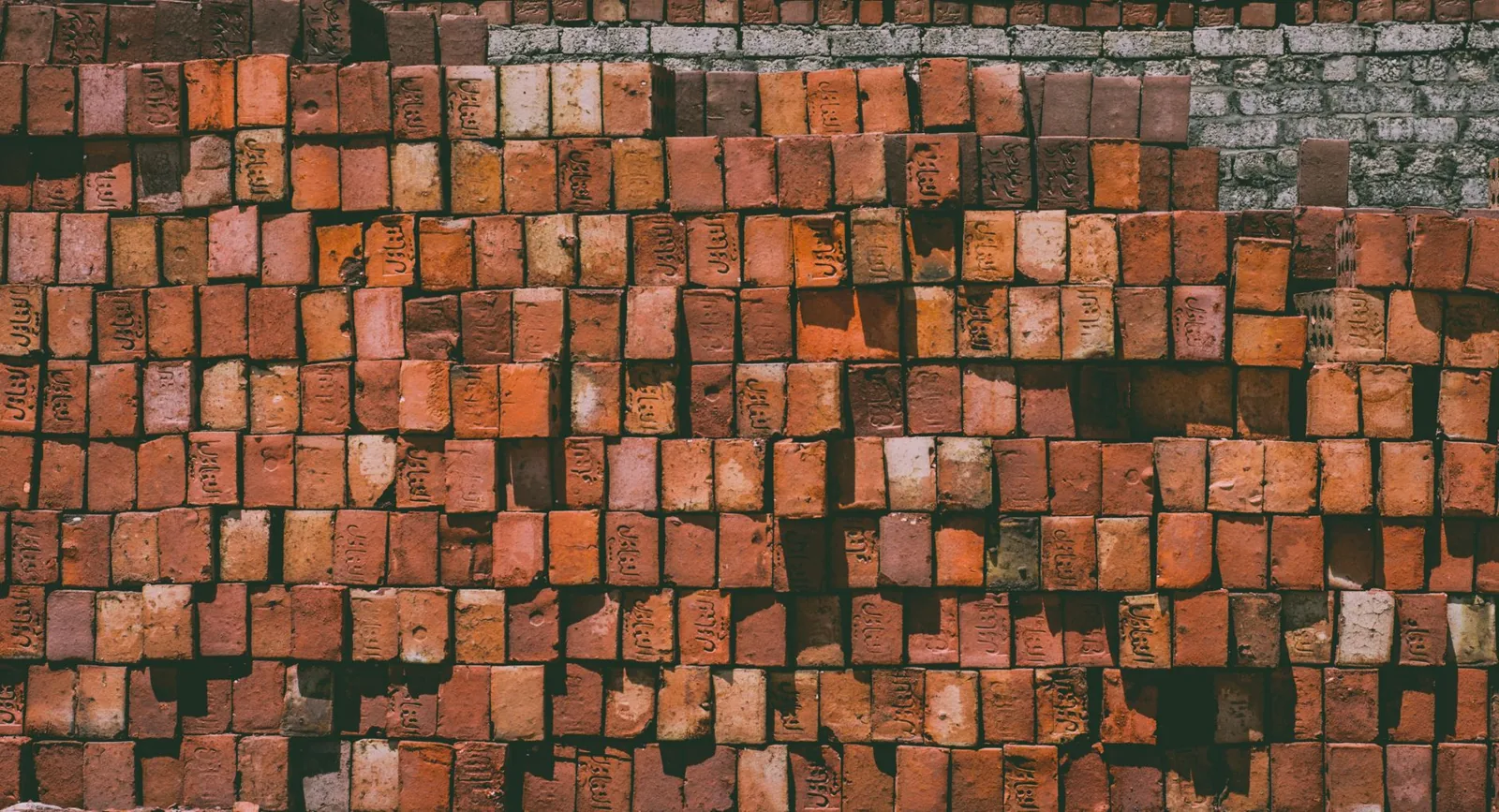
- Brick veneer is full-size clay brick (roughly 2-1/4″ thick) installed in a single wythe against the wall, or thin brick (about 1/2″ thick) adhered more like tile.
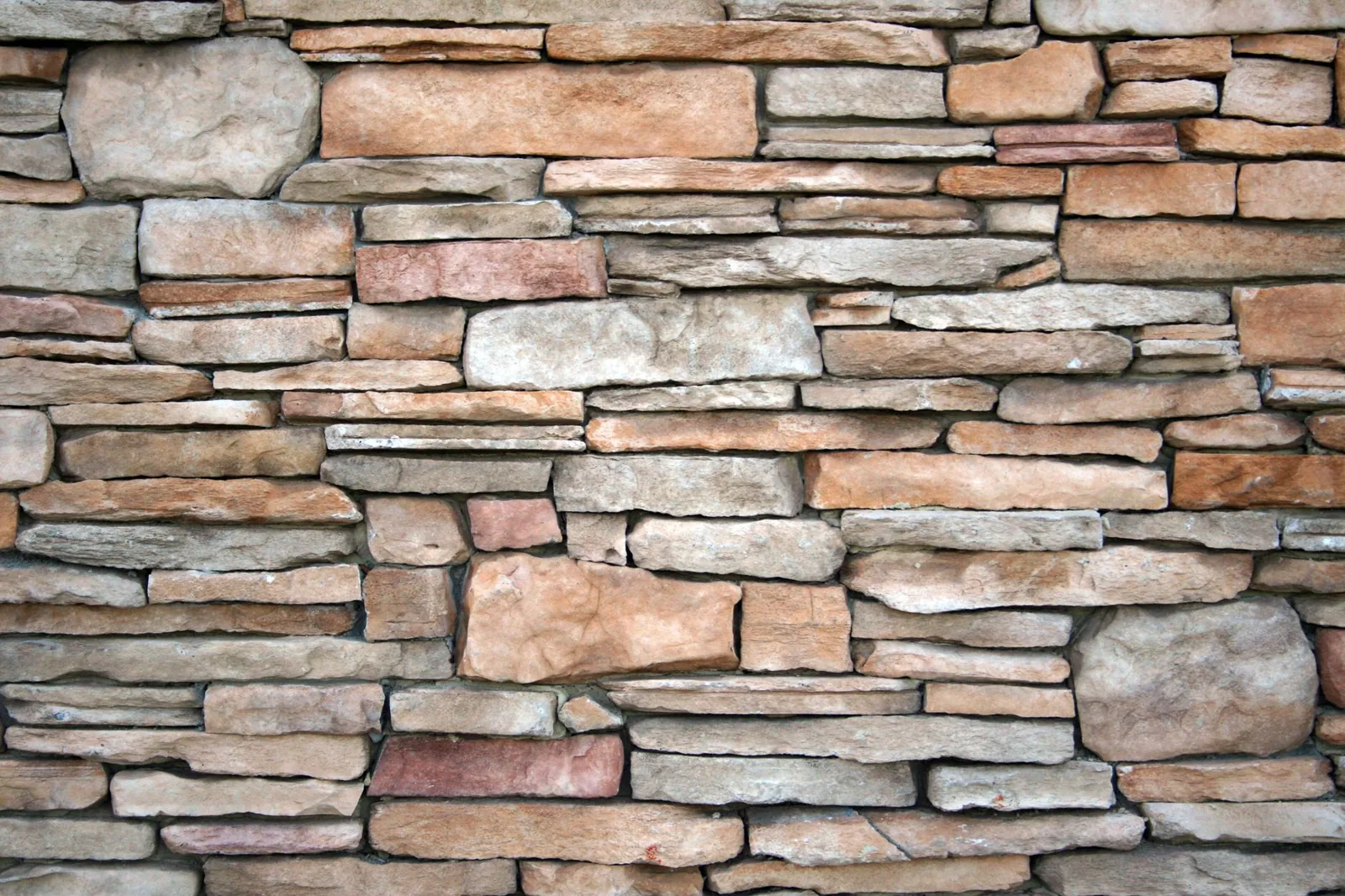
Photo by 500photos.com via Pexels
The material you pick moves the price more than the stone-versus-brick choice itself. Manufactured stone and thin brick both compress cost dramatically compared to their full-thickness, quarried counterparts.
Stone Veneer Cost Breakdown
Stone veneer pricing splits into two clean buckets: manufactured and natural.
Manufactured stone veneer is the budget-friendly path. Materials alone run $6 to $11 per square foot, and with professional installation you’ll typically pay $11 to $18 per square foot all-in. Brands like Eldorado Stone, Coronado, and Cultured Stone dominate this category, and their panels install faster than natural stone because they’re cast to consistent dimensions with flat backs.
Natural stone veneer is the premium option. Thin-cut granite, limestone, quartzite, or fieldstone runs $15 to $30 per square foot installed, and it can climb higher for unusual or hand-chiseled profiles. The material is heavier, each piece is unique, and masons charge more to select, trim, and fit individual stones. Expect 40 to 60 percent more than manufactured stone for the same wall area.
Typical project totals for stone veneer:
- Front accent or fireplace surround (100–150 sq ft): $1,500 to $2,700
- Partial facade or wainscot (300–500 sq ft): $4,000 to $9,000
- Full home wrap (1,500+ sq ft): $18,000 to $30,000+
Labor is the hidden driver. Stone veneer installs at roughly 40 to 60 square feet per mason-day, slower than brick, which pushes labor share toward half of the total job.
Brick Veneer Cost Breakdown
Brick veneer tends to run slightly cheaper than stone at the entry level, mostly because thin brick goes up faster and full brick veneer has been a builder staple for decades with plenty of trained crews.
Thin brick veneer is the closest direct rival to manufactured stone. Materials cost $5 to $10 per square foot, and installed prices land around $10 to $17 per square foot. Thin brick installs like large-format tile, so a competent tile setter or siding crew can handle it — you’re not locked into hiring a mason.
Full clay brick veneer runs $9 to $15 per square foot installed for standard red or buff brick, rising to $15 to $25+ per square foot for premium, tumbled, or oversized formats. It’s heavier than thin brick and usually requires brick ties, a weep system, and a mason who can lay a clean running bond.
Typical project totals for brick veneer:
- Accent wall or wainscot (150–300 sq ft): $1,800 to $4,500
- Partial facade (400–600 sq ft): $5,000 to $10,000
- Full home wrap (1,500+ sq ft): $15,000 to $28,000
Brick’s longevity argument is strong: a well-installed brick veneer can last 75 to 100 years with almost no upkeep beyond occasional repointing. Manufactured stone carries warranties of 20 to 75 years depending on brand, and natural stone effectively lasts a lifetime.
Side-by-Side Cost Comparison
Here’s how the two materials line up across the numbers homeowners actually care about.
| Feature | Stone Veneer | Brick Veneer |
|---|---|---|
| Material cost (per sq ft) | $6–$11 (manufactured), $15–$30 (natural) | $5–$10 (thin), $9–$15 (full) |
| Installed cost (per sq ft) | $11–$18 (manufactured), $15–$30 (natural) | $10–$17 (thin), $9–$15 (full) |
| Typical 500 sq ft job | $5,500–$9,000 | $5,000–$8,500 |
| Lifespan | 20–75 years (manufactured), lifetime (natural) | 75–100 years |
| Maintenance | Occasional sealing, re-pointing | Minimal, occasional re-pointing |
| Installation speed | Slower (40–60 sq ft/day) | Faster, especially thin brick |
| Best fit | High-end accents, rustic/contemporary | Traditional, colonial, mass appeal |
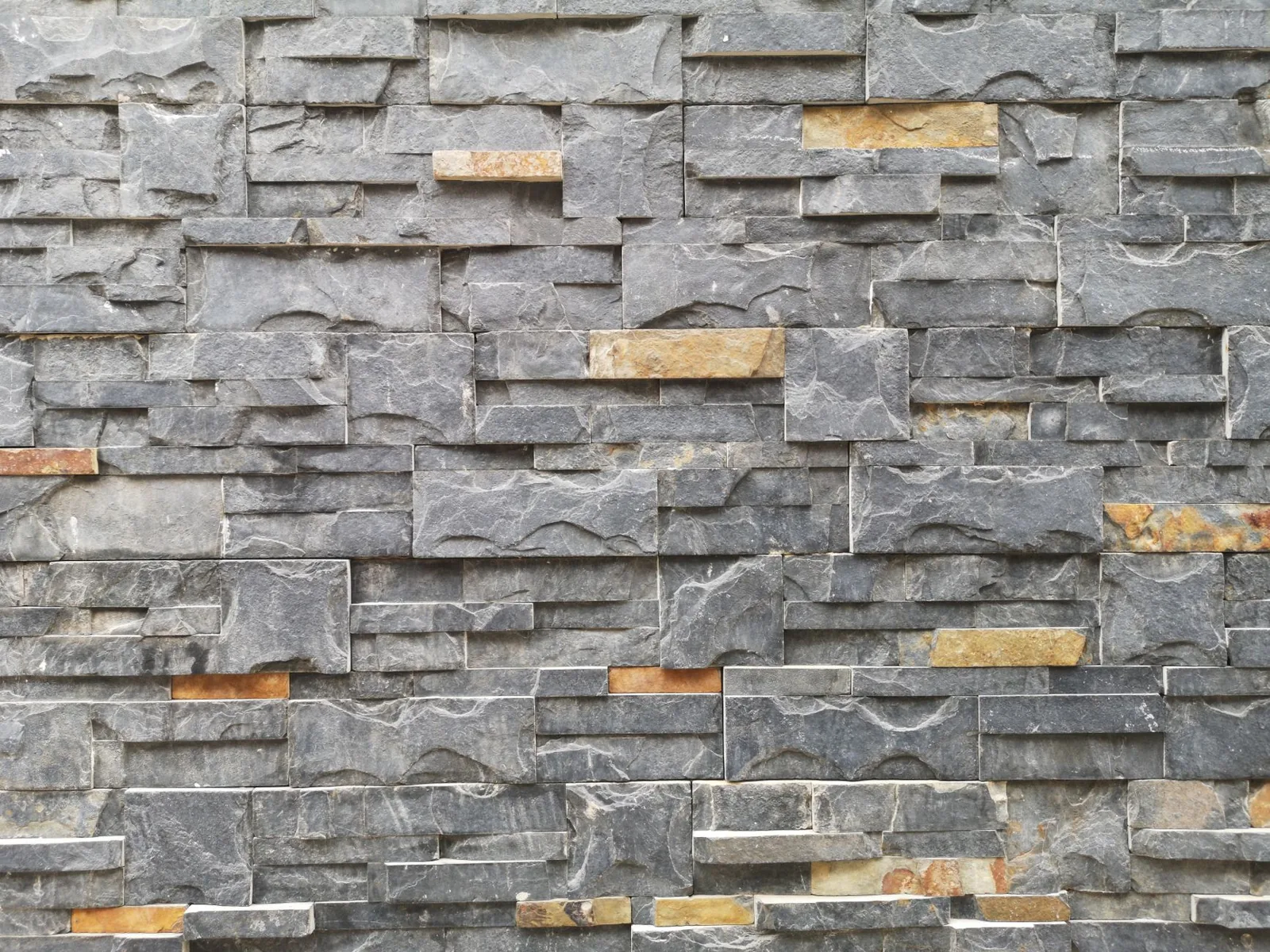
Photo by Engin Akyurt via Pexels
The takeaway: stone veneer vs brick veneer cost is nearly a wash at the manufactured-versus-thin-brick level. The real spread only appears when you push toward natural stone on one end or premium full brick on the other.
What Drives the Price Up or Down
Four factors move your final quote more than the material choice itself.
1. Coverage area and geometry. Corners, window returns, and cutouts multiply labor. A flat accent wall is the cheapest masonry job you can buy; wrapping every corner and trimming around a dozen windows can add 15 to 25 percent to labor.
2. Existing wall condition. Veneer needs a flat, sound substrate. If your sheathing is rotted, bowed, or needs a new moisture barrier and lath, budget $1 to $3 per square foot extra for prep before the first stone goes up.
3. Access and height. A single-story wall a crew can reach from the ground costs less than a two-story gable requiring scaffolding or a lift. Scaffolding typically adds $500 to $2,000 to a mid-size project.
4. Your region. Labor rates swing wildly. Masonry crews in the Northeast and coastal metros often bill 30 to 40 percent more than those in the Midwest or South, which can erase the material savings of the “cheaper” option.
For a broader look at how masonry and other materials compare on total installed price, see our house siding options compared guide.
Stone Veneer vs Brick Veneer: Which Is Right for You?
Pick stone veneer when the look is the point. It delivers a distinctive, high-end texture that reads as custom — ideal for a modern farmhouse, mountain lodge, or contemporary home where a single stone accent wall carries the whole curb appeal. Manufactured stone gets you there without the natural-stone budget.
Pick brick veneer when you want timelessness at a predictable price. Brick rarely goes out of style, holds resale value well, and appeals to the broadest range of buyers. Thin brick gives you the aesthetic at manufactured-stone prices, while full brick is the durability champion.
Still torn between siding categories? Our vinyl siding vs Hardie board cost comparison shows how these masonry options measure up against the two most popular synthetic and cementitious sidings.
Frequently Asked Questions
Is stone veneer more expensive than brick veneer?
Yes, usually by a small margin. Manufactured stone veneer runs $11 to $18 per square foot installed, while thin brick veneer runs $10 to $17. Natural stone veneer is the true premium option at $15 to $30 per square foot installed, well above standard brick.
Does stone veneer add more home value than brick?
Both outperform vinyl and most wood siding on perceived value. Brick has a longer track record with appraisers and buyers, but a well-executed stone accent wall often delivers stronger first impressions. Neither recovers 100 percent of its installed cost at resale — expect roughly 70 to 90 percent return on either.
Can I install stone or brick veneer myself?
Thin brick and manufactured stone panels are DIY-possible for experienced homeowners with flat walls and good weather — that can cut $4 to $8 per square foot in labor. Full brick veneer and natural stone are not beginner jobs; the weight, flashing, and weep systems are best left to a mason. Check manufacturer installation guides before you buy, since warranty coverage usually requires following them exactly.
How long do stone and brick veneer last?
Full brick veneer can last 75 to 100 years with occasional repointing. Manufactured stone typically carries 20- to 75-year warranties, while natural stone veneer effectively lasts the life of the house. The moisture barrier and flashing behind either material usually fail first, not the facing itself.
Does brick veneer need more maintenance than stone?
No. Both are low-maintenance. Brick may need repointing of mortar joints every 25 to 50 years. Manufactured stone benefits from periodic sealing to protect the concrete from freeze-thaw damage in cold climates, a step brick doesn’t require.
The Bottom Line
The stone veneer vs brick veneer cost question doesn’t have a dramatic answer: at the manufactured-versus-thin-brick level, both land within a dollar or two of each other per square foot. Stone gives you a richer, more distinctive texture for a small premium; brick gives you century-grade durability and the broadest resale appeal for roughly the same money.
Match the material to your house and your horizon. If you’re staying long-term and want a custom, high-end facade, lean stone. If you want a safe, timeless investment that holds value and never needs paint, brick is hard to beat. Get three written quotes from local masons, ask what’s included in prep and flashing, and compare the installed price per square foot — not the sticker price on the material. For deeper reading on what masonry should cost, the U.S. Department of Energy and This Old House both publish reliable siding and exterior guidance for homeowners.