Stucco vs Brick Exterior: Cost, Durability, and Maintenance Compared
Choosing between a stucco vs brick exterior is one of the bigger decisions you will make when building or remodeling a home. Both materials sit in the “masonry” camp, both look substantial from the curb, and both can easily last the life of the house when installed right. But they cost very differently, handle weather differently, and ask very different things of you over the decades you own them.
This guide breaks the two materials down side by side. You will get real cost-per-square-foot figures, honest maintenance expectations, and climate guidance so you can pick the wall that makes sense for your budget and your region — not just the one that looks good in a photo.
Stucco vs Brick Exterior: What Each Material Actually Is
Before comparing numbers, it helps to know exactly what is sitting on the wall.
Stucco is a cement-based plaster, typically a mix of Portland cement, sand, lime, and water. Traditional stucco is applied in three coats over a wire or metal lath that is fastened to the sheathing. The final coat can be troweled smooth, swirled, or textured. Stucco has been a staple of Spanish, Mediterranean, and Southwestern homes for centuries, which is why you see it everywhere in California, Arizona, New Mexico, Texas, and Florida.
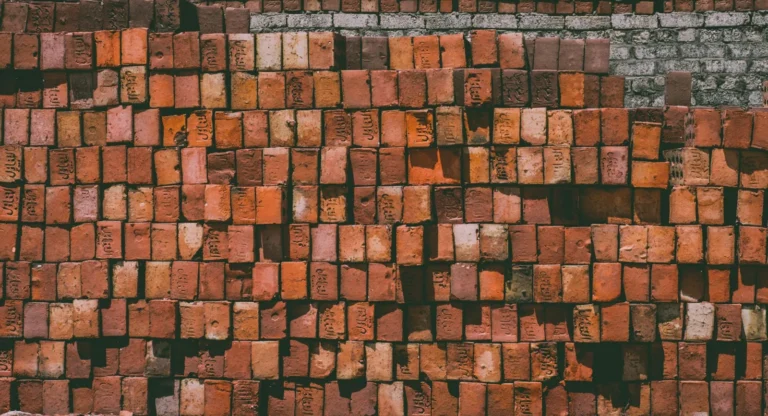
Brick is exactly what it sounds like: individual fired clay units stacked with mortar. A full brick wall is typically built as a brick veneer — a single wythe (one layer) of brick tied to the structural wall behind it with metal ties, leaving a small air gap. Solid multi-wythe brick is rare in modern construction. Most brick you see on a house today is veneer, not load-bearing masonry.
That distinction matters. A brick veneer is a cladding system with an air gap, not a structural wall. Stucco, by contrast, is a solid-applied system. Neither is “better” in a vacuum — they just fail in different ways.
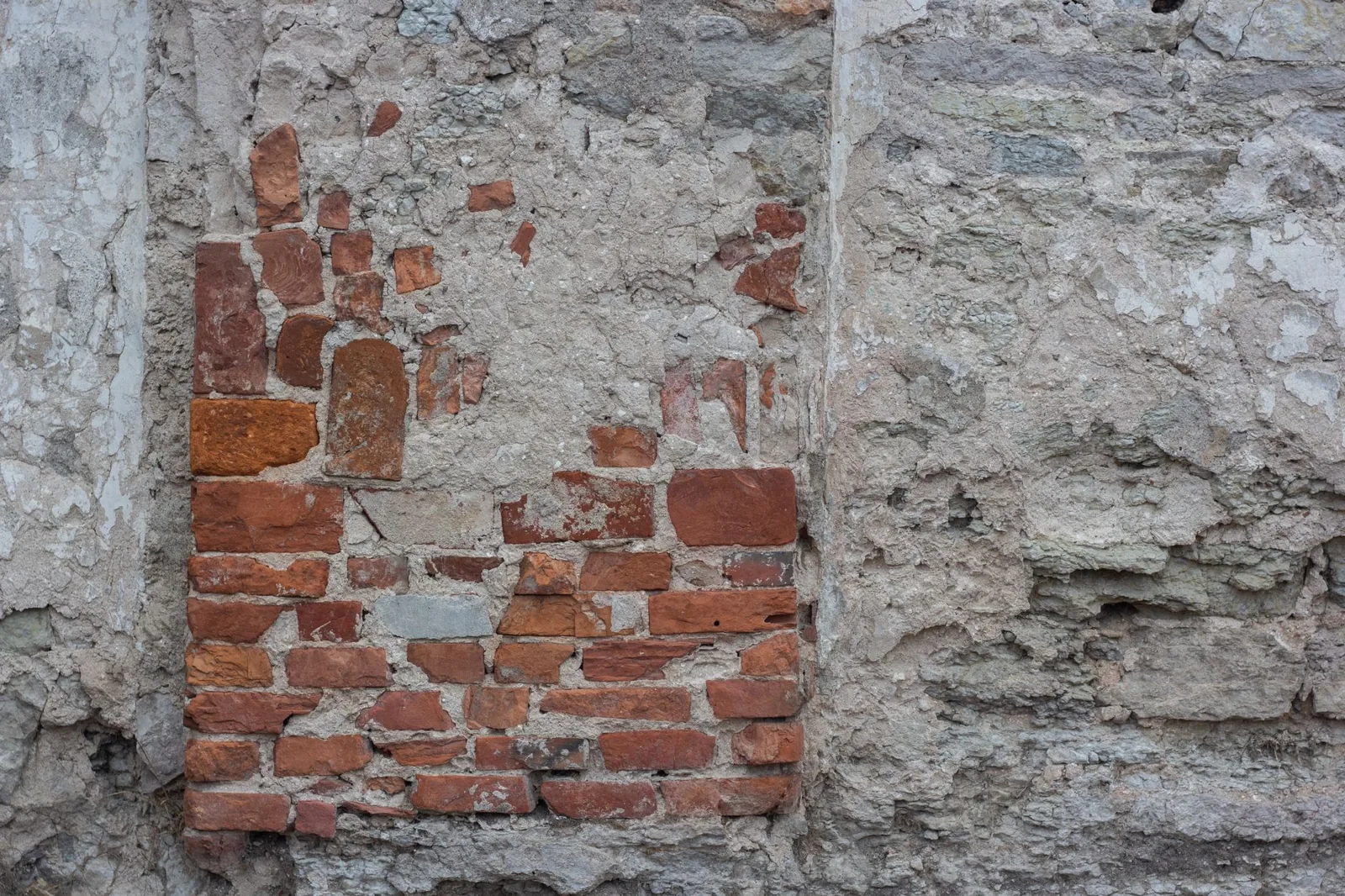
Photo by Plato Terentev via Pexels
Cost: What Each Exterior Really Runs You
Money is where most homeowners start, and the gap here is significant.
Stucco cost
- Installed cost averages $6 to $12 per square foot for a standard three-coat system.
- A 2,000-square-foot exterior wall area typically lands between $12,000 and $24,000.
- Synthetic (EIFS) stucco can run slightly higher because of the insulation board and mesh layers involved.
- Labor dominates the price — stucco is skilled, labor-intensive work with a narrow window of working time.
Brick cost
- Installed brick veneer averages $9 to $20 per square foot, and premium or reclaimed brick can push past $25.
- The same 2,000-square-foot wall area runs roughly $18,000 to $40,000 or more.
- The material itself is expensive, and so is the skilled labor to lay it course by course.
Brick is almost always the more expensive option upfront — often 40% to 60% more than stucco for the same wall area. Where that gap narrows is in the long run, because brick rarely needs the ongoing attention that stucco does.
| Feature | Stucco | Brick |
|---|---|---|
| Installed cost per sq ft | $6–$12 | $9–$20+ |
| Typical 2,000 sq ft job | $12,000–$24,000 | $18,000–$40,000 |
| Lifespan | 50–80 years | 100+ years |
| Repaint / restain cycle | Every 5–10 years | Rarely, if ever |
| Insulation value (R-value) | ~0.20 per inch (plus EIFS boost) | ~0.80 per inch (plus air gap) |
| Fire resistance | Excellent | Excellent |
| Moisture tolerance | Moderate — needs good detailing | High — handles water well |
Durability and Lifespan
This is where brick earns its reputation — and where stucco’s weaknesses show up.
Brick is the most durable common cladding in residential construction. Properly installed brick veneer can last well over a century. It does not rot, does not get eaten by termites, does not fade meaningfully, and shrugs off hail, wind, and UV. Individual bricks can spall if they absorb water and freeze, but that is a localized repair, not a wall failure. The National Institute of Standards and Technology and industry literature routinely cite brick service lives of 100 years or more.
Stucco can also last 50 to 80 years, but only if it is installed and flashed correctly. The single biggest failure mode is moisture getting behind the plaster, which leads to cracking, bulging, and eventually rot in the sheathing underneath. Hairline cracks are normal and cosmetic; wide, recurring cracks at corners and around windows are not. In dry climates, stucco is extraordinarily long-lived. In wet climates with poor detailing, it can fail within a decade or two.
The takeaway: brick’s lifespan is nearly a given. Stucco’s lifespan is earned through quality workmanship and climate fit.
Insulation and Energy Performance
Neither material is a thermal insulator on its own in a meaningful way — the real energy story is in the wall system, not the cladding.
- Brick’s value is thermal mass. It absorbs heat during the day and releases it slowly, which helps smooth temperature swings, especially in climates with hot days and cool nights.
- Stucco is thin and adds little mass, but the EIFS (synthetic) versions are built over rigid foam insulation, which can add real R-value to the wall.
- Traditional three-coat stucco adds roughly R-0.2 per inch — negligible.
- The brick air gap behind a veneer acts as a modest drainage and insulating cavity.
If energy efficiency is your priority, neither clay brick nor traditional stucco is a top performer on its own. Both perform best paired with good wall insulation behind them. Check the U.S. Department of Energy for guidance on insulating the wall cavity behind either finish.
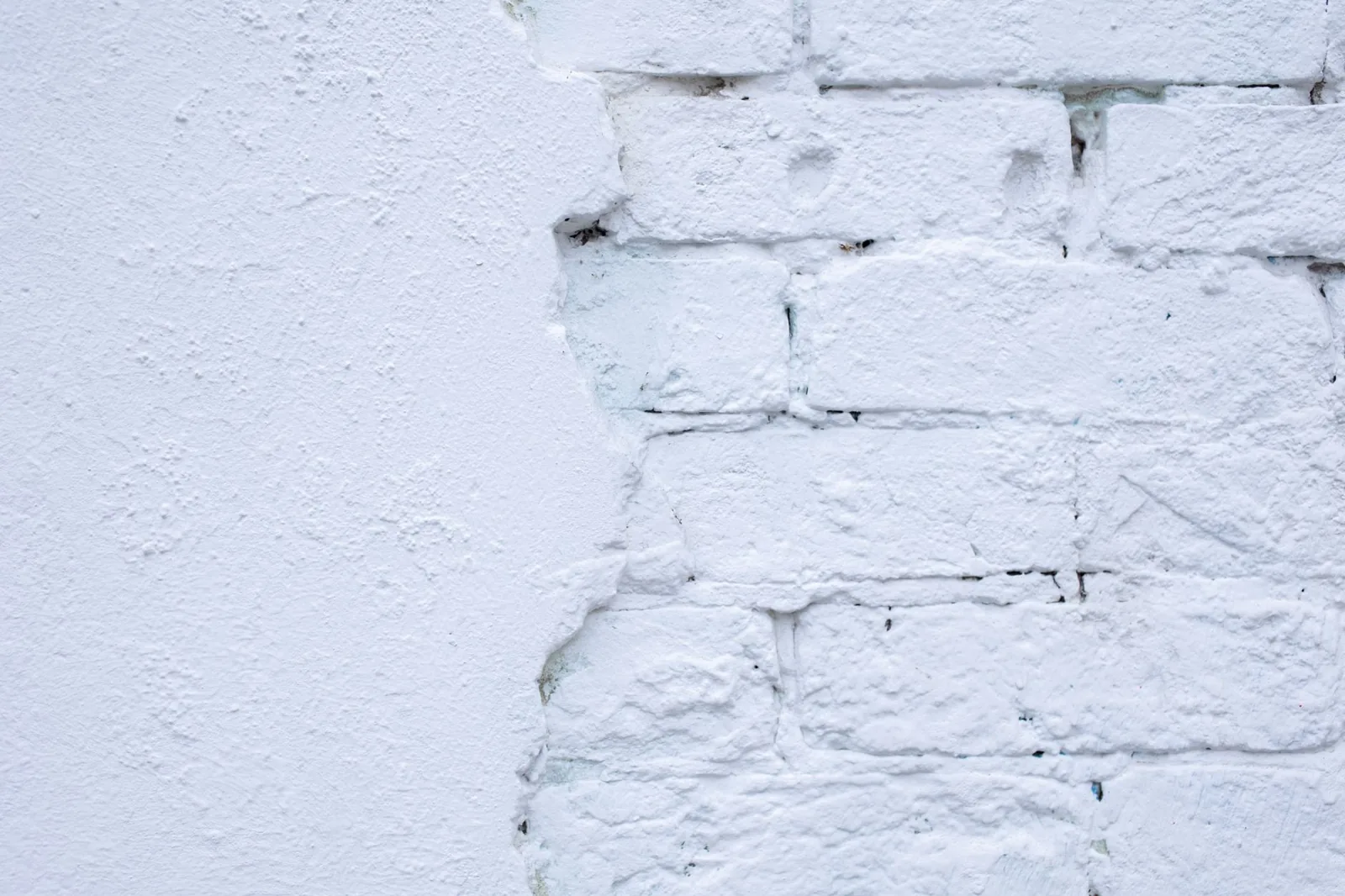
Photo by Monstera Production via Pexels
Maintenance: What You’ll Actually Do Every Decade
Maintenance is where stucco and brick diverge most sharply, and it has a direct effect on total cost of ownership.
Stucco needs a recurring commitment:
- Repaint every 5 to 10 years, at roughly $3 to $6 per square foot each time.
- Repair hairline cracks as they appear; caulk expansion joints and window perimeters.
- Power-wash gently every couple of years to keep mildew off in humid climates.
- Budget for a full re-coat or partial re-plaster if water damage is found.
Brick needs almost nothing:
- Repointing (tuckpointing) the mortar joints every 25 to 50 years, at $5 to $15 per square foot of affected area.
- Occasional washing — but avoid high-pressure washing, which can blast out mortar.
- No painting unless you choose to, and painting brick locks in a maintenance cycle you did not have before.
If you want a near-zero-maintenance wall, brick wins decisively. Stucco is cheaper to install but will ask for money and attention roughly every decade for the life of the home.
Climate Fit: Where Each Material Belongs
Your ZIP code should play a starring role in this decision.
Stucco shines in warm, dry climates. It is the default in the Southwest for a reason: low rainfall means fewer moisture-driven failures, and the material’s low cost keeps large wall areas affordable. It also performs fine in humid-but-warm regions like Florida, provided flashing and drainage details are done correctly.
Brick dominates in wet, freezing, or storm-prone climates. It handles repeated freeze-thaw cycles better than most materials, resists wind-driven rain, and stands up to hail that would dent vinyl or crack thin stucco. This is why brick is the default exterior across the Midwest, the Northeast, and much of the South.
A good rule of thumb: if your region gets real winter with freeze-thaw cycling, or heavy storm seasons, lean brick. If you are in an arid or Mediterranean climate, stucco will save you money and look right at home.
For a broader look at how these compare with other claddings, see our house cladding ideas and materials guide, and for a deeper cost breakdown check out house siding cost per square foot.
Curb Appeal and Design Flexibility
Both materials age into a classic look, but they give you different creative room.
- Brick locks you into a range of reds, browns, and grays unless you paint it (which has consequences). Its look is traditional, permanent, and universally liked by buyers.
- Stucco can be tinted or painted nearly any color, and its smooth or textured finish reads as Mediterranean, Southwestern, or ultra-modern depending on how it is styled.
In terms of resale, both are generally viewed as premium, durable exteriors by appraisers and buyers. Brick may carry a slight edge in markets where it is the norm, while stucco is expected — and rarely questioned — in the Southwest and Florida. If you are weighing a lighter masonry option, our stone veneer vs brick veneer cost comparison covers the thinner, cheaper alternatives to both.
Frequently Asked Questions
Is stucco or brick cheaper?
Stucco is cheaper to install — roughly $6 to $12 per square foot versus $9 to $20 or more for brick. Over a 50-year window, brick can cost less overall because it needs almost no repainting or repair, while stucco requires repainting every 5 to 10 years.
Does stucco or brick last longer?
Brick lasts longer. A well-built brick veneer can exceed 100 years, while stucco typically lasts 50 to 80 years before needing major work. Stucco’s lifespan depends heavily on installation quality and climate.
Can you put stucco over brick?
Yes, in some cases. Stucco can be applied over structurally sound brick using a bonding agent or metal lath, but it hides the brick permanently and can trap moisture if not detailed correctly. It is generally better to leave brick exposed or choose a different finish.
Which is better for a wet climate?
Brick is better for wet, freezing, or storm-prone climates because it resists moisture and freeze-thaw cycling. Stucco can work in wet climates but demands excellent flashing and drainage to avoid water damage behind the plaster.
Is stucco or brick more energy efficient?
Neither traditional stucco nor brick is a strong insulator on its own. Brick offers useful thermal mass, while synthetic (EIFS) stucco can add real insulation value. Both perform best with good insulation in the wall cavity behind them.
The Bottom Line
A stucco vs brick exterior decision mostly comes down to budget, climate, and how much maintenance you are willing to accept.
Choose stucco if you live in a warm, dry climate, want a lower upfront cost, and do not mind repainting every decade. Choose brick if you live where it freezes or storms, want a wall you can essentially forget about for the life of the home, and can absorb the higher upfront cost.
Whichever way you lean, get three written quotes, confirm the installer’s flashing and drainage details in writing, and check references from homes in your exact climate. A premium material installed poorly will cost you more than a mid-tier material installed well — and that is as true for brick as it is for stucco.