
How Long Does Exterior Paint Last? (By Surface & Paint Type)
A quality exterior paint job is one of the biggest investments you’ll make in your home’s curb appeal — and its first line of defense against weather. So it’s only natural to ask how long does exterior paint last before you hand over a check. The honest answer: somewhere between 5 and 15 years, depending on what you’re painting, where you live, and how the job was prepped.
Most homeowners repaint every 7 to 10 years. But wood siding in a harsh, sun-baked climate can fail in as little as 4 to 5 years, while well-maintained stucco or fiber cement can hold its color for 12 to 15 years or more. The difference almost always comes down to preparation and paint quality — not the number printed on the can.
Below we break down exterior paint lifespan by surface and by paint type, the warning signs that tell you a repaint is due, and the prep steps that add years to any paint job.
The Short Answer: Exterior Paint Lifespan by Surface
Different surfaces grab and hold paint in very different ways. A slick, sealed surface sheds paint quickly, while a porous, stable one can keep it for well over a decade. Here’s what you can reasonably expect from the most common exterior materials.
| Surface | Typical Lifespan | What Shortens It |
|---|---|---|
| Wood siding | 3–7 years | Moisture, UV, wood movement |
| Stucco | 10–15 years | Cracking, trapped moisture |
| Brick (painted) | 15–20 years | Efflorescence, peeling on damp walls |
| Aluminum siding | 5–10 years | Oxidation, chalky fade |
| Fiber cement | 12–15 years | Rarely; mostly fade on dark colors |
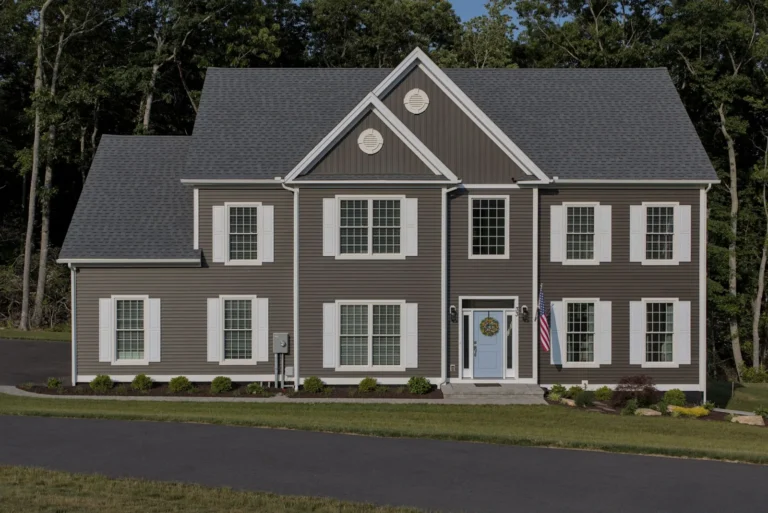
| Vinyl siding | 10+ years (factory finish) | Repainting rarely recommended |
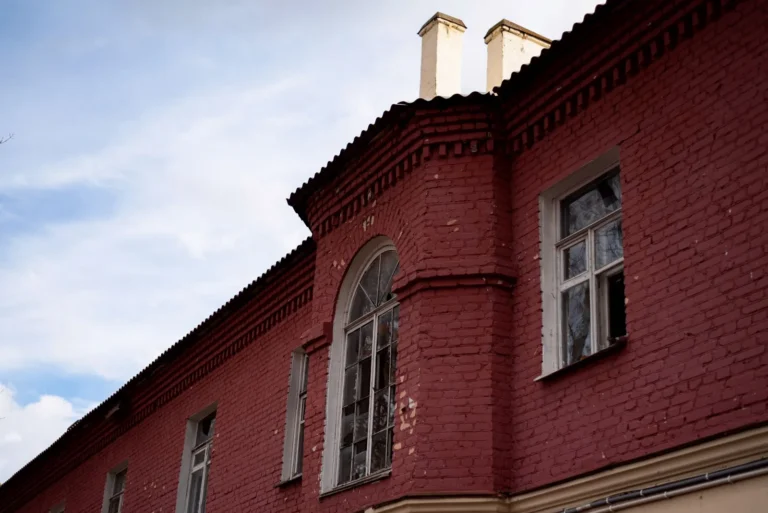
Painted brick is the longevity champion here, but it comes with a catch: once you paint brick, you’re committing to repainting it for the life of the home, because stripping paint off brick is expensive and time-consuming. Vinyl siding, by contrast, usually keeps its factory-applied color for a decade or more and is better left alone — repainting it can void the warranty and trap heat that warps the panels.
What Determines How Long Exterior Paint Lasts
Ask two homeowners on the same street and you’ll get two very different answers, because longevity is a function of four things that vary house to house.
The Surface Underneath
Wood expands and contracts with every freeze-thaw cycle and humid summer. That movement flexes the paint film until it cracks and lets water in. Cedar and redwood hold paint poorly compared to primed pine or fir. Masonry surfaces like stucco and brick are far more stable, which is why they hold paint roughly twice as long.
Climate and Sun Exposure
Ultraviolet light is the enemy. South- and west-facing walls take the full brunt of afternoon sun and can fade or chalk two to three years before the shadier north side of the same house. Salt air near the coast accelerates rust and breakdown, while freezing winters punish any film that isn’t perfectly adhered. A dry, mild climate is the most forgiving.
Preparation and Application
This is where most paint jobs die young. Paint applied over dirt, chalk, or peeling layers simply has nothing to bond to. Proper prep — pressure washing, scraping, sanding, caulking gaps, and priming bare spots — routinely doubles how long exterior paint lasts on the same house. Two thin coats also outperform one thick coat, which is more likely to sag, crack, and trap moisture.
Paint Quality
Premium acrylic latex paints from brands like Sherwin-Williams, Benjamin Moore, and Behr simply contain more binders, pigments, and UV inhibitors than economy lines. The price difference is often $20 to $40 per gallon, but a top-tier 100% acrylic can add three to five years to a job, which makes it the cheapest money you’ll spend on the project.
Photo by Antonio Prado via Pexels
Exterior Paint Lifespan by Paint Type
Not all paint is built the same, and the chemistry matters more than the color. If you want to know how long does exterior paint last in real-world terms, start with what’s in the bucket.
- 100% acrylic latex — the modern standard. Flexible, breathable, and fade-resistant, it typically lasts 7 to 10 years on wood and 10 to 15 on masonry.
- Acrylic-alkyd hybrids — combine the durability of oil with the flexibility of latex. Common on trim and doors, they can go 8 to 12 years.
- Oil-based (alkyd) — once the go-to, now mostly restricted to metal and previously oil-painted surfaces. It cures hard and can last 10-plus years but yellows and gets brittle in sun.
- Elastomeric coatings — thick, rubbery films used on stucco and masonry. They bridge hairline cracks and can last 10 to 15 years, but they’re expensive and hard to remove.
- Stain — a semi-transparent or solid stain soaks into wood instead of forming a film, so it never peels. Solid stains last 3 to 6 years before they simply wear away and need recoating.
For most homes, a premium 100% acrylic is the right call. It’s the best balance of price, longevity, and repairability. If durability is your top priority, our guide to the best exterior paint finish for durability walks through sheen and chemistry in more detail.
Signs Your Exterior Paint Is Failing
You don’t have to guess when it’s time to repaint. The paint tells you. Watch for these markers on the sun-facing walls first, since they degrade fastest.
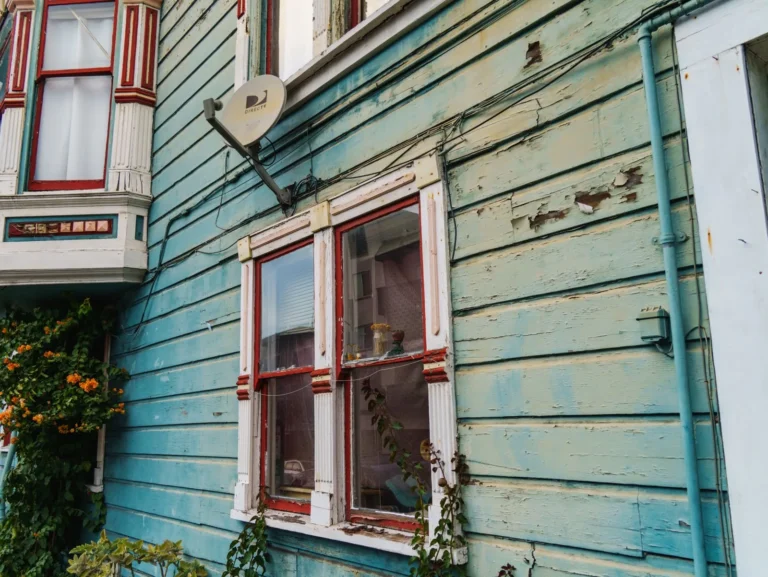
- Peeling or flaking — water has gotten behind the film. This is past due, and bare wood is now exposed to rot.
- Cracking or alligatoring — the film is too thick, too old, or was applied over a glossy surface. Water will follow.
- Chalking — a powdery residue rubs off on your hand. Light chalking is normal; heavy chalking means the binder is breaking down.
- Fading — color washes out unevenly, most obvious on dark or bold shades. Fading alone doesn’t hurt protection, but it signals the UV inhibitors are spent.
- Bubbling or blistering — trapped moisture is pushing the film off the surface, usually from leaks, high humidity, or painting in direct sun.
- Caulk failure — cracked, gaping caulk around windows and trim lets water behind the paint even when the film itself looks fine.
Photo by SHVETS production via Pexels
How to Make Exterior Paint Last Longer
You can’t control the weather, but you can control everything else. These steps are the difference between a 5-year paint job and a 12-year one.
- Pressure wash first. Remove dirt, mildew, and loose chalk. Let the surface dry completely — 24 to 48 hours after washing.
- Scrape and sand loose paint. Feather the edges so new paint has a smooth, bonded surface to grab.
- Prime bare spots. Exposed wood and patched areas need primer, or the topcoat will be sucked dry and fail early.
- Caulk every gap. Windows, doors, trim joints, and corners are where water gets in. A $10 tube of paintable caulk saves thousands in repairs.
- Apply two coats. One coat is a maintenance touch-up, not a paint job. Two coats build the film thickness that survives weather.
- Paint in the right conditions. Aim for 50°F to 85°F, low humidity, and avoid direct sun on the surface you’re working.
- Use a premium 100% acrylic. It flexes with the house and resists fade far longer than budget latex.
If the numbers are making you wonder what a full repaint will run, our breakdown of exterior paint cost per square foot spells out labor and material ranges for a typical house.
Frequently Asked Questions
How often should you repaint the exterior of a house?
Every 7 to 10 years is a safe average for most homes. Wood siding usually needs it every 5 to 7 years, stucco and brick every 12 to 15, and fiber cement every 12 to 15. Walk the exterior each spring and let the failure signs above, not the calendar, make the call.
Does exterior paint last longer on brick or wood?
Brick, by a wide margin. Painted brick can hold its color for 15 to 20 years because the surface is dense and stable. Wood moves with moisture and temperature, flexing the paint film until it cracks — which is why wood rarely goes more than 5 to 7 years between coats.
How long does exterior paint last in direct sunlight?
On a south- or west-facing wall in a hot climate, you may see fading and chalking in 4 to 6 years, even if the rest of the house looks fine. Choosing a light-reflective color and a paint with strong UV inhibitors stretches that toward the 8-to-10-year mark.
Is it cheaper to paint every few years or use premium paint?
Premium paint, almost always. A $60-per-gallon acrylic that lasts 12 years costs far less per year than a $30 gallon that needs redoing in 5 — especially once you factor in labor, which is the real cost of any paint job. Our comparison of the best exterior paint brands breaks down which lines are worth the premium.
Can you paint over old exterior paint?
Yes, as long as the old film is sound. Scrape loose areas, scuff glossy spots with sandpaper, and spot-prime bare patches. Never paint over peeling paint and expect it to hold — the new coat is only as strong as what’s underneath it. Proper prep is the same lesson This Old House and Family Handyman repeat in every exterior painting guide they publish.
The Bottom Line
How long does exterior paint last? For most houses, figure 7 to 10 years on wood and up to 15 on stucco, brick, and fiber cement — but those numbers are earned, not guaranteed. Surface, sun exposure, prep, and paint quality move the needle more than anything else. Spend your budget on washing, scraping, priming, caulking, and a premium acrylic, and a good paint job will easily outlast a cheap one by half a decade. When the paint finally starts to fade and peel, don’t wait until wood is exposed — repaint before the damage spreads, and the next coat will last just as long as the first.