Board and Batten Siding Explained: What It Is, What It Costs, and How to Choose
Board and batten siding explained in one sentence: it is a vertical siding style built from wide boards with narrow strips (battens) nailed over the seams. The result is a crisp, repeating pattern of raised vertical lines that reads farmhouse, modern farmhouse, or coastal cottage depending on how you finish it.
If you are weighing exterior options for a new build or a re-side, board and batten deserves a close look. It is one of the oldest siding styles in North America, yet it still shows up on everything from historic barns to brand-new suburban homes. The catch is that the “board and batten” label now covers several materials, price points, and installation methods, and they do not all perform the same way.
This guide breaks down how the system works, what it costs, the materials you can choose from, and the trade-offs you should know before you commit. By the end, you will know whether board and batten is the right call for your house.
What Is Board and Batten Siding?
Board and batten siding gets its name from its two components. Wide boards — typically 10 to 12 inches across — are installed vertically. Narrow battens, usually 2 to 4 inches wide, are then fastened over the joints between the boards.
That alternating rhythm of wide board and raised batten is what gives the style its signature shadow lines. The look is vertical by design, which is exactly why homeowners choose it: vertical lines make a single-story or low-profile home look taller, and they break up the monotony of a wide, flat wall.
The style has deep roots. Early American settlers and farmers built outbuildings with whatever wide planks were available, then used battens to close the gaps and seal the walls against wind and rain. Function drove the design first; the aesthetic appeal came later. Today, board and batten is specified as much for curb appeal as for weather protection.
That history matters when you start shopping. Traditional board and batten was solid wood, and solid wood still has a loyal following. But the same pattern can now be achieved in fiber cement, engineered wood, vinyl, steel, and composite. Each material changes the cost, the maintenance, and how long the siding will actually last.
How Board and Batten Siding Works
The basic mechanics are simple, which is part of the style’s appeal for DIY-minded homeowners. You fasten wide boards vertically to the wall sheathing, leaving a small, consistent gap between each board. You then center a narrower batten over each seam and fasten it through the gap, so the batten floats slightly proud of the board face.
That raised profile is not just cosmetic. The battens shed water down the vertical channel, and because they sit over the seams, they shield the joints where two boards meet. Properly detailed, this creates a wall that drains well — provided the top and bottom are flashed correctly and the boards have room to expand and contract.
A few installation details separate a wall that lasts 30 years from one that rots in 10:
- Leave expansion space. Wood and fiber cement both move with temperature and humidity. Boards should never be butted tight against each other or against trim.
- Prime all cut edges. End grain soaks up water faster than the face of a board. Every field cut needs paint or primer before installation.
- Flash the top. A head flashing or drip cap keeps water from running behind the boards at the top of the wall.
- Mind the bottom. Boards should stop at least 6 to 8 inches above grade, and the gap needs proper flashing or a starter strip.
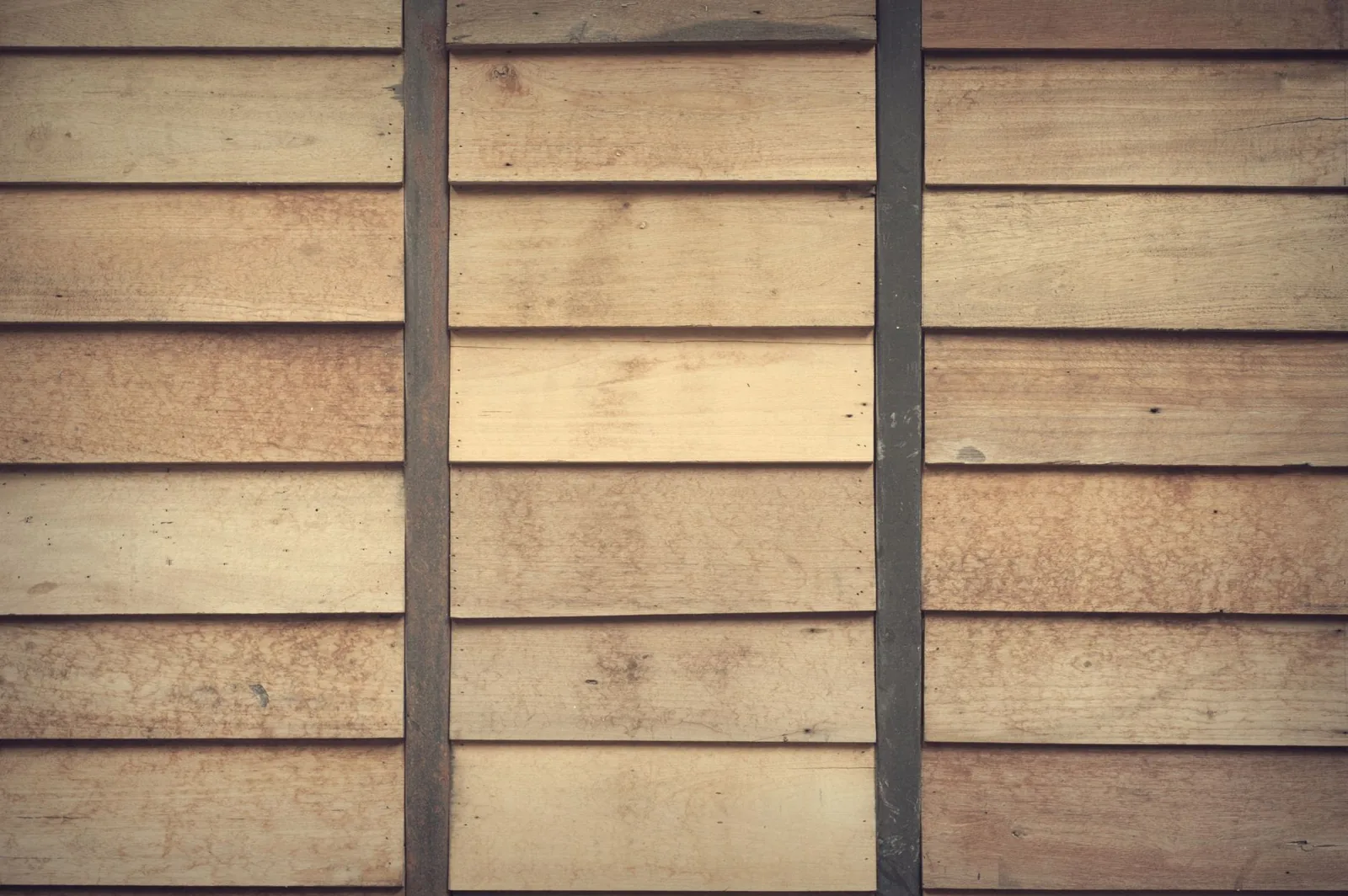
Photo by FWStudio via Pexels
Materials You Can Use for Board and Batten
Here is where “board and batten siding explained” gets practical. The term describes a pattern, not a single product, and your material choice drives almost every other decision — cost, longevity, and upkeep.
Solid Wood
The classic choice. Cedar, redwood, pine, and cypress are the common species, with cedar and redwood offering natural rot resistance. Solid wood looks the most authentic and can be stained or painted. Expect to pay roughly $3 to $8 per square foot installed depending on species and finish. The trade-off is maintenance: wood needs repainting or restaining every few years and is the most vulnerable option to moisture and insects.
Fiber Cement
Brands like James Hardie dominate this category. Fiber cement planks deliver the same vertical pattern with far less upkeep and excellent resistance to rot, fire, and pests. It costs more than vinyl but less than premium wood, typically $5 to $11 per square foot installed. The main downsides are weight, the need for specialized cutting tools, and a higher labor bill on install.
Engineered Wood
Products such as LP SmartSide offer the look of wood with a factory-applied finish and better dimensional stability. Installed cost usually runs $4 to $9 per square foot. Engineered wood is lighter and easier to cut than fiber cement, though it still requires proper flashing to protect the edges from moisture.
Vinyl and Steel
Vinyl board and batten is the budget route at roughly $3 to $7 per square foot installed, while steel panels run $6 to $12 per square foot. Vinyl is low-maintenance but can look less convincing up close and can crack in extreme cold. Steel is durable and fire-resistant but is most common on modern or agricultural-style structures.
| Material | Installed Cost (per sq ft) | Lifespan | Maintenance |
|---|---|---|---|
| Solid wood (cedar/redwood) | $3–$8 | 20–40 years | High — repaint every 3–5 years |
| Fiber cement (Hardie) | $5–$11 | 30–50 years | Low — occasional repaint |
| Engineered wood (SmartSide) | $4–$9 | 25–40 years | Medium — repaint as needed |
| Vinyl | $3–$7 | 20–30 years | Low — occasional washing |
| Steel | $6–$12 | 40+ years | Low — occasional washing |
What Board and Batten Costs in 2026
Board and batten siding typically runs $4,500 to $22,000 for a full house, with most homeowners landing between $8,000 and $16,000. The spread is wide because material and labor vary so much by region and product.
For a rough square-foot budget, plan on:
- Materials only: $1.50 to $5.50 per square foot
- Professional installation: $2 to $6 per square foot
- Total installed: $3.50 to $11 per square foot, depending on material
A 1,500-square-foot exterior wall area at a mid-range $7 per square foot comes to about $10,500. Premium fiber cement or redwood on a large two-story home can push past $20,000 once trim, flashing, and paint are included.
A few factors move the number more than anything else:
- Material choice is the single biggest driver, as the table above shows.
- Home height and layout — multi-story walls and scaffolding add labor cost.
- Paint and finish — prefinished products cost more up front but save a repaint within the first decade.
- Tear-off — removing old siding and repairing sheathing adds $1 to $3 per square foot.
- Labor market — in high-cost metro areas, installation rates run toward the top of every range.
For a deeper breakdown of how these figures compare with other cladding styles, see our guide to house siding cost per square foot.
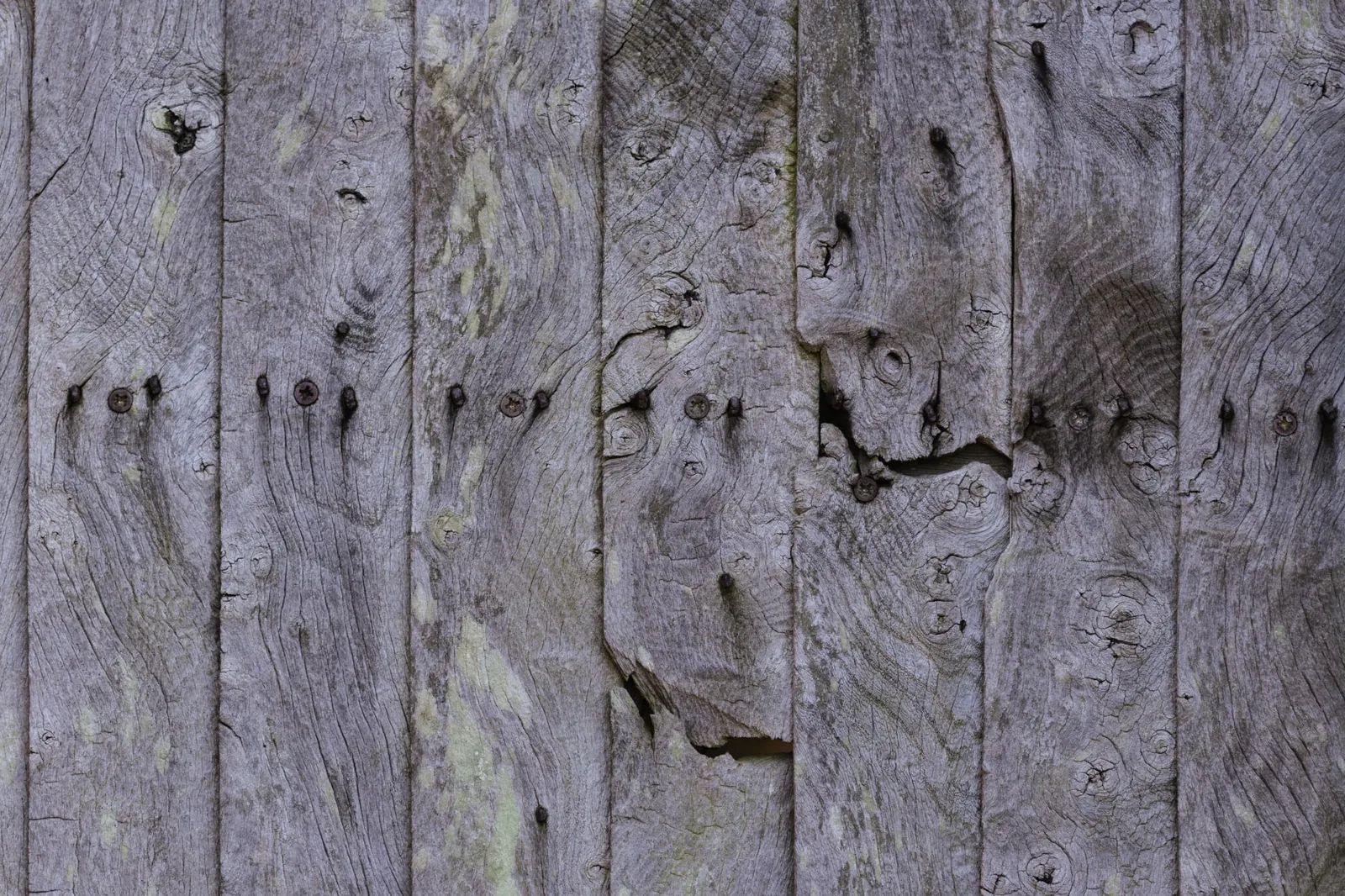
Photo by Ellie Burgin via Pexels
Pros and Cons of Board and Batten Siding
No siding is perfect for every house. Here is the honest ledger for board and batten.
The advantages:
- Strong curb appeal. The vertical pattern is distinctive and photographs well, which is why the modern farmhouse look leans on it so heavily.
- Height illusion. Vertical lines draw the eye upward, making low or long homes feel more balanced.
- Timeless versatility. The same pattern works on a rustic barn, a coastal cottage, or a sleek modern build depending on material and color.
- DIY-friendly in wood. For capable homeowners, wood board and batten is one of the more approachable siding installs.
- Repairable. Individual boards or battens can usually be replaced without tearing off an entire wall.
The drawbacks:
- More seams. Every batten is a potential water entry point if details are done wrong, so installation quality matters more than with lap siding.
- Higher maintenance in wood. Painted wood board and batten needs repainting every three to five years to stay sound.
- Cost in premium materials. Fiber cement and steel versions are not the budget option.
- Fewer installers. Not every siding crew does board and batten regularly, which can narrow your bid pool in some areas.
If you are torn between wood and its alternatives, our wood siding pros and cons guide walks through the material trade-offs in more detail.
Board and Batten vs. Other Siding Styles
How does board and batten stack up against the more common options on the market?
Horizontal lap siding (vinyl or fiber cement) is cheaper and faster to install, and it has a classic look that suits most homes. But it does not deliver the vertical interest or the farmhouse character of board and batten.
Shiplap or tongue-and-groove offers a smooth vertical wall without the raised batten profile. It reads more contemporary, while board and batten reads more traditional.
Stucco and brick are durable, low-maintenance options that cost more up front and can feel heavy or formal on a small home. Board and batten is lighter, more flexible, and easier to repaint when tastes change.
The right pick depends on your home’s architecture, your climate, and how much upkeep you are willing to accept. For a full side-by-side look at the field, read house siding options compared.
Installation: DIY or Hire a Pro?
Whether you can install board and batten yourself depends almost entirely on the material you choose.
Wood board and batten is genuinely DIY-accessible if you are comfortable with a circular saw, a level, and a nail gun. The materials are light, cuts are simple, and the pattern is forgiving of small gaps because the battens cover them. A careful homeowner can side a shed or a single wall over a weekend.
Fiber cement and steel are a different story. Fiber cement is heavy and produces silica dust when cut, which requires proper respiratory protection and special blades. Steel panels need specific fasteners and a keen eye for straight lines. For these, hiring a professional is usually money well spent.
Whatever route you go, insist on the basics: house wrap or a weather-resistant barrier behind the siding, properly flashed windows and doors, and fasteners rated for the material. The details are what separate a wall that looks good for a season from one that stays dry for decades.
How to Maintain Board and Batten Siding
Maintenance is where the material choice comes home to roost.
Painted or stained wood needs the most attention. Inspect the battens and bottom edges each spring for peeling paint, soft spots, or signs of rot, and plan to repaint every three to five years. Caulk and touch up any cracked seams promptly, since a small water path can rot a board from the inside out.
Fiber cement and engineered wood are far more forgiving. An annual rinse with a garden hose or a soft-bristle brush removes dirt and mildew, and the factory or field-applied finish typically lasts a decade or more before repainting.
Vinyl and steel need almost nothing beyond an occasional wash with mild soap and water. Watch vinyl for cracks after severe cold snaps, and check steel for scratches that could invite rust in coastal or de-icing-salt environments.
One universal rule: keep landscaping, mulch, and soil at least six inches below the bottom edge of the siding. Ground contact is the fastest way to rot any board and batten wall, regardless of material.
Frequently Asked Questions
Is board and batten more expensive than regular siding?
It depends on the material, but board and batten tends to run slightly higher than standard horizontal lap siding because of the extra boards, battens, and labor. Vinyl board and batten can actually come in near the price of premium lap vinyl, while fiber cement board and batten typically costs 10 to 20 percent more than the same brand’s lap siding.
Can I install board and batten over existing siding?
In many cases, yes — provided the existing siding is sound and the wall can be properly flashed. Vinyl and engineered wood board and batten are common choices for re-siding over old wood. However, you should never cover rotting or structural problems, and some local codes require the old siding to be removed first. Check with your building department before starting.
What wood is best for board and batten?
Cedar and redwood are the top choices because they naturally resist rot and insects and hold paint or stain well. Pine is a more affordable option but must be properly primed and sealed, especially on cut edges, or it will rot faster than cedar.
Does board and batten work on a modern home?
Yes. While the style is most associated with farmhouses, board and batten in fiber cement or steel with clean, dark colors is a staple of modern and contemporary exteriors. The vertical lines complement flat or low-slope roofs particularly well.
How long does board and batten siding last?
It varies by material. Solid wood lasts 20 to 40 years with good maintenance, engineered wood 25 to 40 years, fiber cement 30 to 50 years, and steel 40 years or more. Vinyl typically lasts 20 to 30 years before it needs replacement.
The Bottom Line
Board and batten siding is one of the most character-rich exterior options you can put on a home, and it is more accessible than ever thanks to fiber cement, engineered wood, and vinyl versions of the classic pattern.
The decision really comes down to two questions. First, what are you willing to spend — both up front and over the next decade of maintenance? Second, how important is that vertical, farmhouse-inspired look to you? If the answer to the second question is “very,” the material that fits your budget and maintenance tolerance is almost certainly out there.
Before you finalize a bid, compare at least three quotes, confirm the contractor has installed board and batten specifically (not just lap siding), and ask to see the flashing details. For more background, This Old House and Bob Vila both have solid deep dives on materials and installation. Get the details right, and a board and batten wall will pay you back in curb appeal for decades.