Best Exterior Paint Colors 2026: The Top Shades for Your Home
The best exterior paint colors 2026 are a deliberate step away from the stark whites and cool grays that dominated the last decade. Homeowners are trading high-contrast, “flipped house” palettes for shades that feel rooted: warm putty neutrals, muted greens, deep blues, and soft charcoals that read well against landscaping and natural light. If you are planning a repaint this year, the goal is a color that looks current without chasing a fad you will regret in three years.
Exterior paint is the highest-stakes color decision most homeowners make. A gallon of quality exterior paint runs $45 to $85, a full repaint of a 2,000-square-foot home typically costs between $3,000 and $7,000 for labor and materials, and the finish has to survive sun, rain, freeze-thaw cycles, and fading for a decade or more. Get the shade right and the house looks intentional and well-kept. Get it wrong and every future photo of your home reminds you of it.
This guide walks through the best exterior paint colors 2026 has to offer, why they work, and how to pick the one that fits your house, your neighborhood, and your budget.
Why Exterior Color Is Shifting in 2026
For years, cool gray and bright white ruled new construction. The problem is that a cool gray that looks crisp on a color card often turns flat, blue, or clinical on a full facade under strong afternoon sun. Homeowners caught on, and the market followed.
Three forces are pushing the best exterior paint colors 2026 toward warmer, more saturated territory:
- Warmer undertones. Grays now lean beige or taupe, and whites carry cream or greige undertones instead of blue ones. These shades hold their character in direct sunlight rather than washing out.
- Nature-inspired greens and blues. Deep sage, eucalyptus, forest, and slate blues connect the house to its landscaping. They read as timeless rather than trendy.
- Dark, moody accents. Soft blacks and charcoals are replacing navy as the go-to accent for shutters, doors, and trim, often paired with a lighter field color for contrast.
That does not mean white is dead. It means white got warmer. The most popular shades of the year are best described as “warm minimalism” — clean, calm, and never sterile.
The Best Exterior Paint Colors 2026
Here are the shades contractors and color consultants keep reaching for this year, organized by family so you can compare them at a glance.
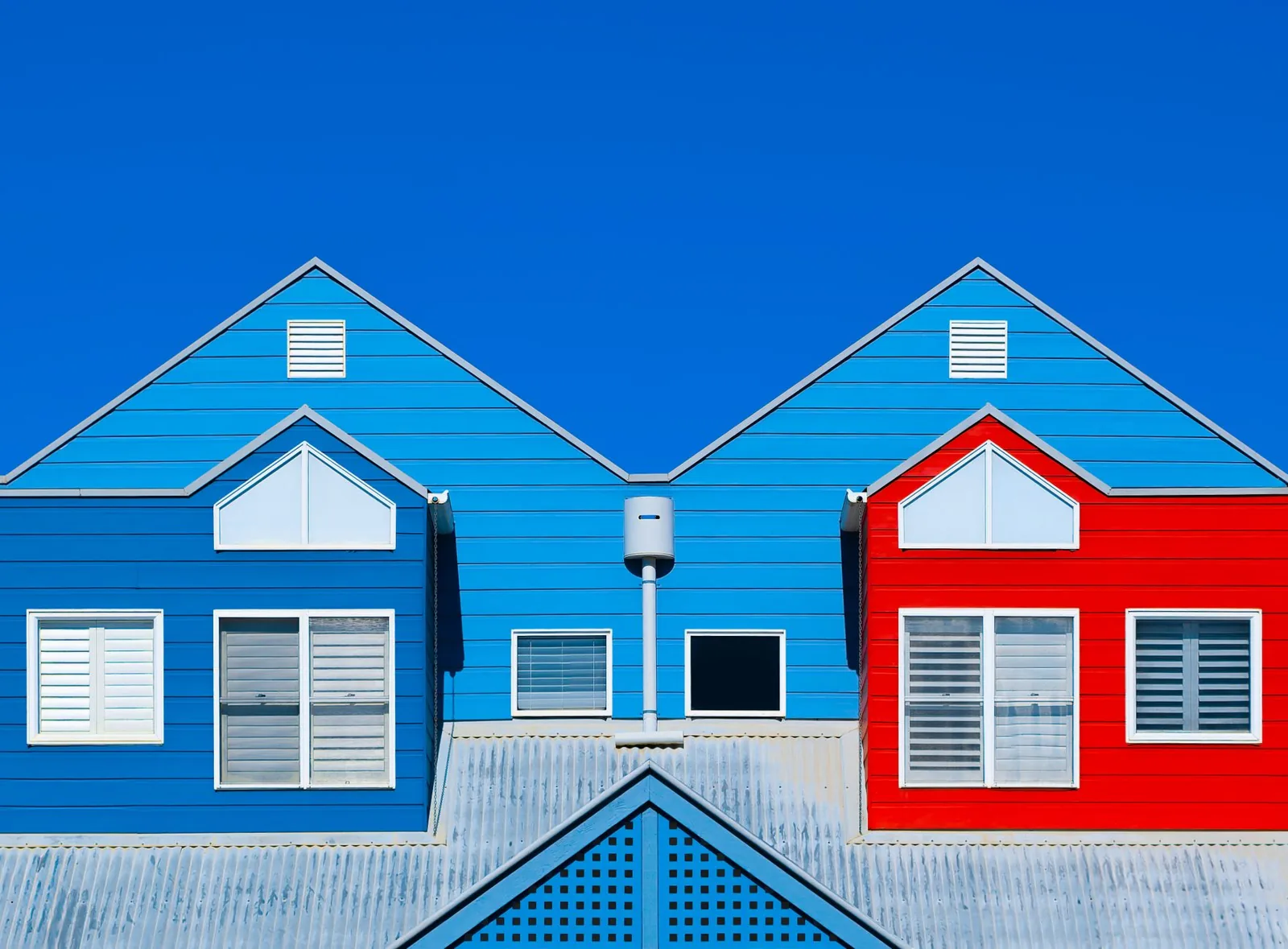
Photo by Warren Griffiths via Pexels
Warm Whites and Greiges
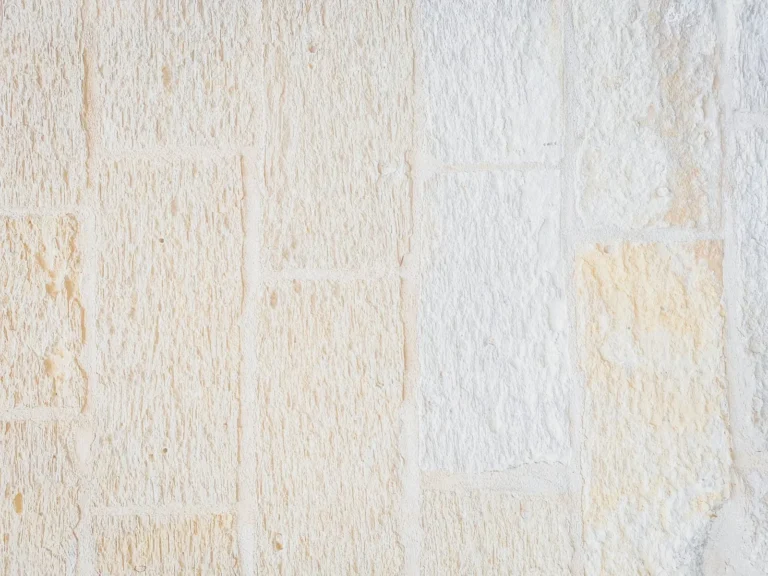
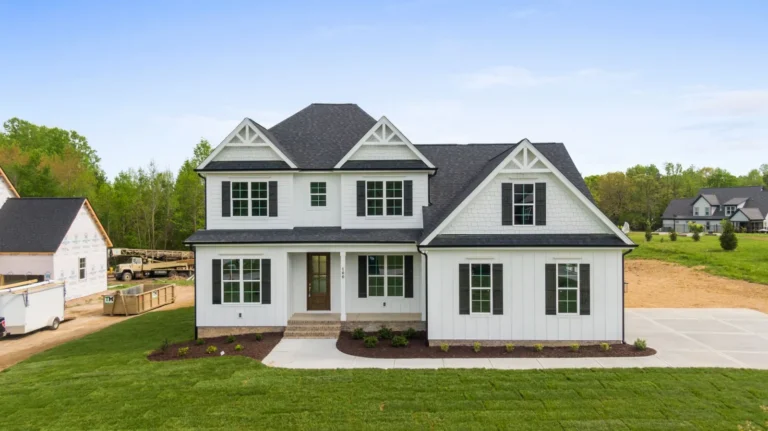
A warm white is the safest “wow” color in 2026, especially on traditional, craftsman, and farmhouse homes. Look for whites with yellow, beige, or subtle pink undertones rather than blue.
- Sherwin-Williams Alabaster (SW 7008) remains a favorite for a reason. It is a soft, creamy white with an LRV of about 82 that never looks stark, even on a south-facing wall.
- Benjamin Moore Simply White (OC-117) reads slightly brighter but still warm. It pairs beautifully with black or bronze trim.
- Sherwin-Williams Shoji White (SW 7042) is the greige-leaning choice — white with a whisper of beige that looks excellent with natural stone.
Muted Greens
Green is the breakout story of 2026. The best exterior paint colors 2026 in this family are muted and earthy, not bright or minty.
- Sherwin-Williams Evergreen Fog (SW 9130) is a gray-green that reads sophisticated on siding and plays well with both white and dark trim.
- Benjamin Moore Backwoods (CC-630) is a deeper forest green that gives a modern or rustic home serious presence.
- Sherwin-Williams Rosemary (SW 6187) sits between sage and olive, a practical choice for homes surrounded by trees.
Moody Blues
Blue never left, but the 2026 version is deeper and grayer than the sky blues of the 2000s.
- Sherwin-Williams Naval (SW 6244) is a near-navy with real depth that works as a full-body color on coastal and colonial homes.
- Benjamin Moore Hale Navy (HC-154) is a warmer navy that reads almost charcoal in low light — a strong accent for shutters and doors.
Soft Charcoals and Black Accents
Full-black exteriors peaked a few years ago, but soft charcoals and black accents are still everywhere in 2026 — just applied more selectively.
- Sherwin-Williams Iron Ore (SW 7069) is a soft black with brown undertones that looks less harsh than true black.
- Benjamin Moore Wrought Iron (2124-10) is a deep charcoal popular for doors, window frames, and trim.
Earthy Terracottas and Clays
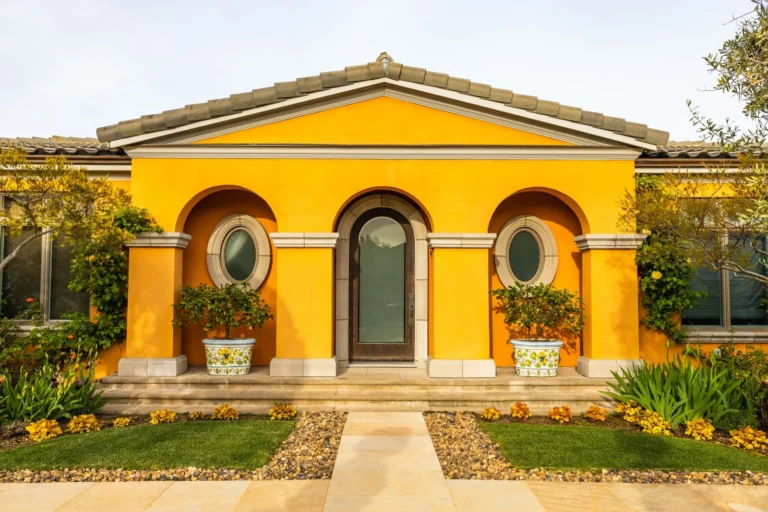
For homeowners willing to take a small risk, warm terracotta and clay tones are a rising alternative to gray-beige. These shades work best on stucco, adobe, and Spanish or Mediterranean-style homes, and they pair naturally with cream trim and dark bronze fixtures.
| Color Family | Example Shade | Best For | The Vibe |
|---|---|---|---|
| Warm white | Sherwin-Williams Alabaster | Traditional, farmhouse, craftsman | Clean and calm |
| Muted green | Sherwin-Williams Evergreen Fog | Modern, rural, wooded lots | Rooted and organic |
| Moody blue | Sherwin-Williams Naval | Coastal, colonial, full body | Deep and confident |
| Soft charcoal | Sherwin-Williams Iron Ore | Accents, trim, modern homes | Grounded and bold |
| Terracotta | Earthy clay / adobe tones | Stucco, Spanish, Mediterranean | Warm and distinctive |
How to Test a Color Before You Commit
A color card is not a prediction. Exterior colors shift dramatically depending on sun exposure, roof color, landscaping, and even your region’s light. This is where most repaint regrets start, so spend the extra week testing.
Buy sample pots and paint large boards — at least 2 by 2 feet — rather than painting directly on the house. A board lets you move the color around: hold it against the siding, next to the trim, against the front door, and in shade versus full sun. Look at it in the morning, at noon, and at dusk. A color that looks warm and creamy at 10 a.m. can turn flat or gray by 5 p.m.
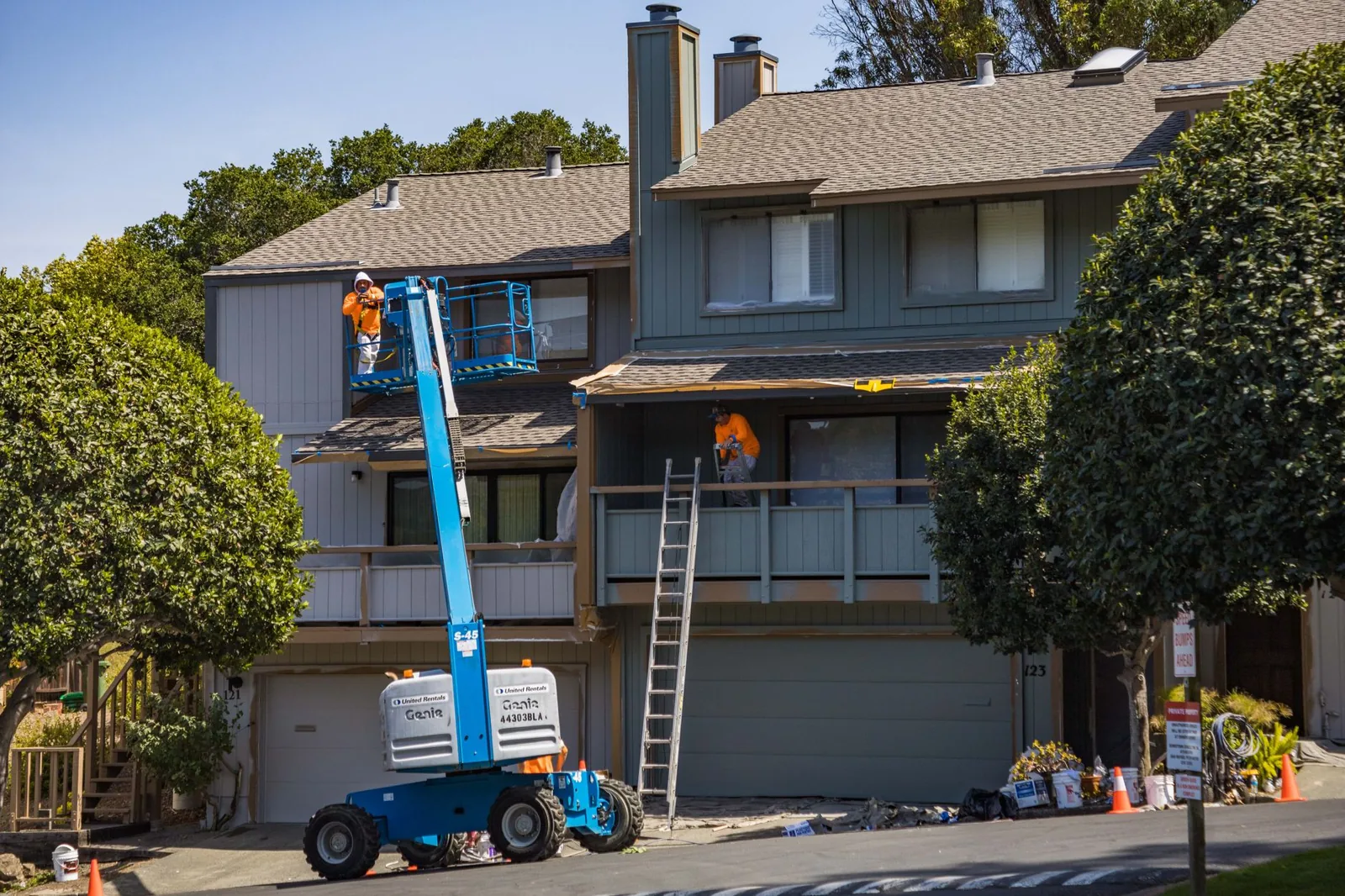
Photo by Robert So via Pexels
Three rules worth following:
- Test at least three shades per family. Narrow to a family first (warm white, green, blue, charcoal), then test two or three close options within it.
- Factor in the roof and brick. If your roof is warm brown or your brick has red undertones, a cool gray will clash. Match undertones to the fixed elements you cannot change.
- Check it against the front door. The door is usually the smallest and most changeable element. Pick the body color first, then choose a door color that pops — see our guide on choosing exterior trim color for how the two should interact.
If painting every surface feels like a big commitment, you can also lean on how to choose exterior trim color to use one neutral body and carry the trend in your trim and accents instead.
Cost and Finish: What a 2026 Repaint Actually Costs
Color is only half the decision. The finish and the paint quality determine how long that color looks good.
The finish, or sheen, affects both durability and appearance. Flat and matte finishes hide surface flaws but show dirt and are harder to clean; satin and eggshell are the sweet spot for siding; semi-gloss goes on trim, doors, and shutters because it resists moisture and cleans easily. For a full breakdown of which sheen holds up where, read our guide on the best exterior paint finish for durability.
On cost, expect roughly $3 to $5 per square foot for a professional exterior repaint, or about $3,000 to $7,000 for a typical 2,000-square-foot home, depending on prep work, height, and your region. Premium paint adds $10 to $20 per gallon but usually extends the life of the job by two to three years, which is almost always worth it. You can find a fuller cost breakdown in our article on exterior paint cost per square foot.
Frequently Asked Questions
What is the most popular exterior house color in 2026?
Warm white and greige lead the list, with shades like Sherwin-Williams Alabaster and Shoji White among the most requested. Muted greens such as Evergreen Fog are the fastest-growing second choice.
Are dark exterior colors a good idea?
They can be, on the right home. Dark greens, blues, and soft charcoals look dramatic and hide dirt well, but they absorb more heat and can fade faster in sunny climates. On a modern home with good contrast, a dark body or dark accents are a strong choice; on a small traditional home, a dark full-body color can make it feel smaller.
How long will a 2026 color trend last?
The warm neutral and muted green direction has been building for several years and is unlikely to look dated soon, since it is rooted in natural materials rather than a single “it” color. A warm white or greige body with a dark accent is about as future-proof as exterior color gets.
How much does it cost to repaint a house in 2026?
Most homeowners spend between $3,000 and $7,000 to professionally repaint a 2,000-square-foot home, or about $3 to $5 per square foot. High-end paints and extensive prep work push the number higher.
Should I repaint or replace siding first?
If your siding is in poor condition, fix it before painting — new paint will not hide failing wood or loose panels. If the siding is sound, a repaint is the most cost-effective way to refresh the exterior and usually recoups more of its cost at resale than most other exterior projects.
The Bottom Line
The best exterior paint colors 2026 are warmer, earthier, and more personal than the cool grays of the last decade. A warm white or greige body with a muted green, deep blue, or soft charcoal accent covers most homes beautifully and will still look right five or ten years from now. Test your shortlist on large boards, match undertones to your roof and brick, and spend the extra money on premium paint and a satin finish — that is where durability comes from.
If you are still torn between two shades, compare full palettes in our guide to exterior paint color combinations for houses, and check out how the pros at This Old House and Better Homes & Gardens approach color selection before you buy a single gallon.