Best Exterior Paint Finish for Durability: Satin vs. Gloss vs. Flat
Homeowners spend a lot of time picking a paint color and almost no time picking the finish. That is a mistake. The sheen you choose determines how long the paint actually lasts, how much dirt it holds, and how often you will be back on a ladder repainting. If you want the best exterior paint finish for durability, the answer is almost always satin or gloss — never flat — but the right call depends on the surface you are painting.
A flat paint looks soft and hides imperfections well, but it absorbs moisture, holds dirt, and chalks and fades faster than any other sheen. A high-gloss finish, on the other hand, resists weather, scrubs clean, and can outlast flat by several years. The tradeoff is that gloss shows every flaw in the siding or trim underneath it.
This guide breaks down which finish lasts longest, how to match sheen to surface, and the prep steps that matter more than the paint itself. By the end, you will know exactly what to ask for at the paint counter.
What Makes an Exterior Paint Finish Durable?
Durability in exterior paint is not a single property. It is a combination of how the film sheds water, how well it resists UV breakdown, and how easily it releases dirt. Sheen sits at the center of all three.
How Sheen Affects Weather Resistance
The shinier a paint, the more resin it contains and the tighter its surface film. Gloss and semi-gloss finishes form a hard, closed surface that water beads off instead of soaking into. Flat and matte paints use more pigment and less resin, which leaves microscopic pores in the dried film. Rain, dew, and frost work their way into those pores, and repeated freeze-thaw cycles slowly break the bond between paint and substrate.
UV exposure is the other killer. The sun breaks down the binder in any paint over time, which is why old paint turns chalky. Higher-sheen finishes resist this longer simply because there is more binder protecting the pigment. That is why a gloss trim can still look crisp when the flat siding above it has faded two shades lighter.
Why Flat Paint Fails First Outside
Flat paint has the highest pigment load, which gives it that soft, non-reflective look and excellent hide. Those same pigments are exposed at the surface, where UV and rain attack them first. Within three to five years in a sunny climate, flat exterior paint typically shows chalk, fading, and visible dirt. Gloss and satin routinely last seven to ten years under the same conditions — sometimes longer on protected trim.
The Best Exterior Paint Finish for Durability, Ranked
If you rank every sheen purely by how long it lasts outside, the order is consistent across brands like Sherwin-Williams, Benjamin Moore, and Behr.
- High gloss — hardest film, best moisture resistance, easiest to clean. Lasts the longest but shows every bump and brush stroke.
- Semi-gloss — nearly as durable as high gloss with slightly less shine. The workhorse for trim, doors, and shutters.
- Satin (also called “low luster” or “eggshell” by some brands) — the best balance of durability and appearance for siding. Resists dirt and fading well without the plastic look of gloss.
- Flat / matte — the least durable exterior finish. Only worth using on surfaces that are never touched or rained on, and even then it will fade fastest.
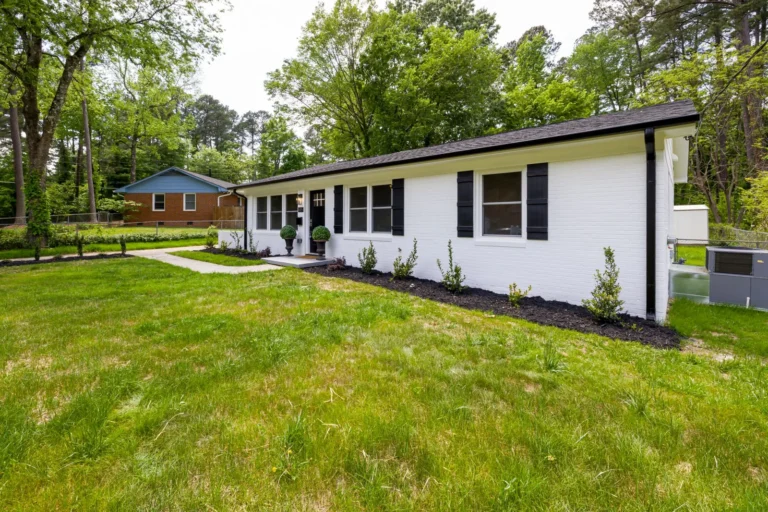
For most houses, the best exterior paint finish for durability is satin on the body and semi-gloss on the trim. This pairing gives you a siding that hides minor flaws while still shedding water, plus trim and doors that shrug off fingerprints, grime, and weather.
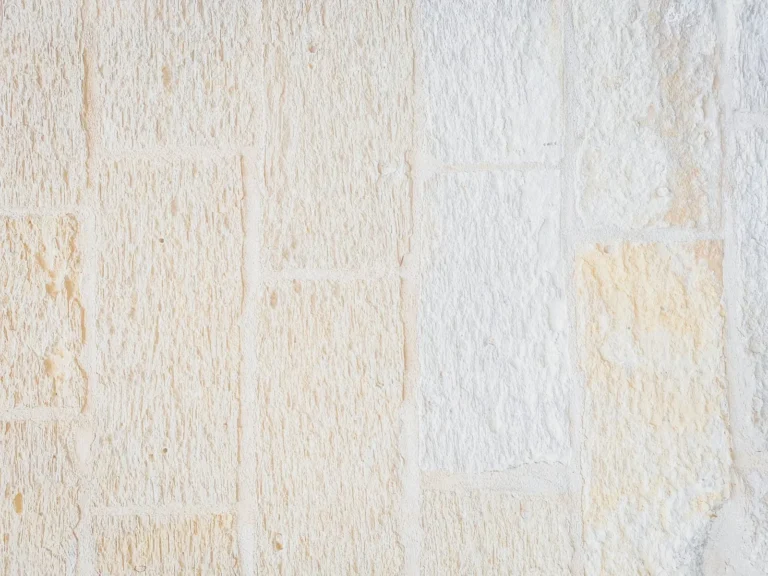
Photo by Alexas Fotos via Pexels
Matching Paint Finish to Each Surface
One sheen does not fit every part of a house. The right finish depends on how much abuse a surface takes and how visible its flaws are.
Siding and Stucco: Satin or Flat?
Satin is the standard recommendation for wood, fiber cement (such as HardiePlank), and stucco siding. It is durable enough to last, yet forgiving enough not to highlight every lap line and nail pop. Some premium satin formulas, like Sherwin-Williams Duration or Benjamin Moore Aura, are thick enough to bridge hairline cracks in stucco.
Flat paint on siding is a durability gamble. It can look beautiful on a brand-new surface, but expect visible fading and dirt within a few years. If you insist on flat for the look, choose a premium 100% acrylic flat with a high solids content, and plan to repaint sooner.
Trim, Doors, and Shutters: Semi-Gloss or Gloss
Trim takes the most direct hits — rain splash at the foundation, snow, dirt kicked up from the ground, and constant touching around doors. A semi-gloss or high-gloss finish on these areas cleans up with a damp rag and holds its color for years. Most pros run semi-gloss on trim and reserve full gloss for front doors, where the extra shine reads as a deliberate accent.
Wood Decks and Porches
Decks are a separate category and usually call for a solid stain or a porch-and-floor enamel rather than wall paint. If you do paint a porch floor, use a satin or gloss floor-grade enamel with added slip resistance. The horizontal surface holds water and takes foot traffic, so flat is never an option here.
Comparing Paint Finishes for Longevity
The table below sums up how each exterior finish performs across the factors that drive durability.
| Feature | Flat / Matte | Satin | Semi-Gloss | High Gloss |
|---|---|---|---|---|
| Typical lifespan | 3–5 years | 7–10 years | 8–10 years | 10+ years |
| Moisture resistance | Poor | Good | Very good | Excellent |
| Dirt pickup | High | Moderate | Low | Very low |
| Fade resistance | Poor | Good | Very good | Excellent |
| Hides surface flaws | Excellent | Good | Fair | Poor |
| Easiest to clean | Hard | Moderate | Easy | Easiest |
| Best used on | Low-traffic accents | Siding, stucco | Trim, doors, shutters | Doors, metal, railings |
Photo by Győző Mórocz via Pexels
The Sheens to Skip for Maximum Durability
Two finishes routinely shorten the life of an exterior paint job, and both are chosen for the wrong reasons.
Flat on Anything That Gets Wet
Flat is the most requested finish by homeowners who want a modern, chalky look. It is also the most common reason a paint job fails early. On north-facing walls, under trees, or anywhere moss and mildew collect, flat paint becomes a sponge. If you live in a rainy climate, skip flat on siding entirely.
Gloss on Large, Flawed Surfaces
At the opposite end, high gloss on a big wall is a durability problem in a different way. It is not that gloss fails — it is that it magnifies every defect, which tempts people to repaint sooner for cosmetic reasons. Gloss also creates a glare that can make a house look plastic from the street. Reserve it for doors and small accents.
Prep Work That Makes Any Finish Last Longer
Even the best exterior paint finish for durability will peel in two years if the surface underneath is dirty or damp. The finish is only half the equation.
Clean Before You Coat
Paint cannot bond to chalk, mildew, or dirt. Wash siding with a pump sprayer and a mild detergent, or rent a pressure washer and keep it on a low setting. Let the surface dry completely — at least 24 hours in humid weather — before painting. Any moisture trapped under the film is a future blister.
Prime Bare and Peeling Spots
Bare wood, fresh stucco, and chalky old paint all need primer. A quality exterior primer seals the surface and gives the topcoat something to grip. Spot-prime peeling areas after scraping and sanding, then coat the whole wall.
Paint in the Right Weather
Acrylic paint needs temperatures between roughly 50°F and 85°F to cure properly. Painting in direct sun on a hot day can cause the finish to dry too fast and cure poorly, which weakens the film. Follow the temperature and humidity limits printed on the can; they are there for a reason.
For a deeper look at how long a quality job should hold up, see our guide on how long exterior paint lasts. If you are still deciding which product to buy, our comparison of the best exterior paint brands walks through the top formulas at each price point.
Frequently Asked Questions
What is the most durable exterior paint finish?
High gloss is the most durable finish on paper — it forms the hardest, most water-resistant film. For most homes, however, satin on siding and semi-gloss on trim deliver the best real-world combination of longevity and appearance.
Is satin or semi-gloss better for exterior paint?
They serve different jobs. Satin is better for large siding areas because it hides flaws and lasts well without glaring. Semi-gloss is better for trim, doors, and shutters because it is harder, easier to clean, and holds up to the extra abuse those surfaces take.
Does flat exterior paint last as long as gloss?
No. Flat paint fades, chalks, and holds dirt noticeably faster than gloss, typically lasting three to five years versus seven to ten or more for a glossier finish. Flat also absorbs more moisture, which leads to earlier peeling.
Can I use interior paint outside?
Never. Interior paint lacks the UV blockers, mildewcides, and flexible resins that exterior formulas contain. It will fade, crack, and peel quickly outside, regardless of finish. Always buy a paint labeled specifically for exterior use.
What finish resists mildew best?
Glossier finishes resist mildew better because they shed water faster and hold less moisture on the surface. Whatever sheen you choose, opt for a paint with added mildewcide if you live in a humid or shaded area.
The Bottom Line
If you want the best exterior paint finish for durability, put satin on the siding and semi-gloss or gloss on the trim and doors. That pairing gives you the longest-lasting, easiest-to-clean paint job without the plastic shine of full gloss on your walls. Flat paint is fine for a matte look, but understand that you are trading roughly half the lifespan to get it.
The finish you pick matters less than the prep underneath it, so clean, prime, and dry the surface before you roll. Budget accordingly, too — a premium satin or semi-gloss runs more per gallon than flat, but it saves you a repaint five years down the road. For a realistic idea of what a full job costs, see our breakdown of exterior paint cost per square foot. If you want a step-by-step look at proper exterior prep, Bob Vila’s painting guides cover the process in detail.
Choose the sheen for how the surface lives, not just how it looks on day one, and your paint job will still be doing its job a decade from now.