
House Siding vs Painting Cost: Which Is the Smarter Investment?
When your exterior starts to look tired, the first question most homeowners ask is house siding vs painting cost. You want to know whether a fresh coat of paint will do the job, or whether it’s time to strip everything off and install new siding. The two projects look similar from the curb, but they sit in completely different price brackets.
A full exterior repaint on a typical 2,000-square-foot home runs roughly $3,000 to $6,500. Replacing the siding on that same house costs anywhere from $8,000 to $30,000 or more, depending on the material. That gap is real, and it’s the main reason so many people paint first and ask questions later.
But the decision is not as simple as picking the cheaper number. Paint and siding have different lifespans, different maintenance demands, and different returns when you sell. Below, we break down the real cost of each option so you can decide with your budget and your timeline in mind.
House Siding vs Painting Cost at a Glance
Before you call a contractor, it helps to see the two options side by side. Here’s how a paint job compares to a siding replacement on a standard single-family home.
| Factor | Exterior Painting | New Siding |
|---|---|---|
| Typical cost (2,000 sq ft) | $3,000–$6,500 | $8,000–$30,000+ |
| Cost per square foot | $1.50–$4.00 | $3.00–$16.00 installed |
| Expected lifespan | 5–10 years | 20–50 years |
| Annual maintenance | Low to moderate | Low (varies by material) |
| Fixes underlying damage | No | Yes |
| Time to complete | 2–5 days | 1–2 weeks |
| Best when | Surface is sound, budget is tight | Siding is cracked, rotting, or failing |
The table tells the short version of the story: painting is a maintenance expense, while siding is a capital improvement. Both have a place, but they solve different problems.
What Exterior Painting Actually Costs
Exterior painting is priced by square footage, surface condition, and the amount of prep work involved. For most homes, you’ll pay between $1.50 and $4.00 per square foot all-in, including labor, primer, and two coats of quality paint.
On a 2,000-square-foot house, that lands at roughly $3,000 to $6,500. Smaller single-story homes can come in under $3,000, while tall or multi-story homes with lots of trim, shutters, and hard-to-reach areas can push past $8,000. Two-story houses cost more than ranch-style homes simply because painters need ladders, scaffolding, and more time.
Several variables move the price up or down:
- Surface condition. Peeling paint, mildew, and old caulk mean more scraping and sanding before the first drop of paint goes on. Prep alone can add 30% to 50% to the labor bill.
- Paint quality. A premium acrylic latex like Sherwin-Williams Duration or Benjamin Moore Aura runs $60 to $90 per gallon, versus $30 to $45 for a budget line. Top-tier paint lasts several years longer, which matters more than the gallon price.
- Material type. Painting smooth wood or fiber cement is straightforward. Painting brick, stucco, or heavily textured surfaces requires more product and more skill.
- Your location. Labor rates in coastal and metro markets run higher than in the Midwest or South.
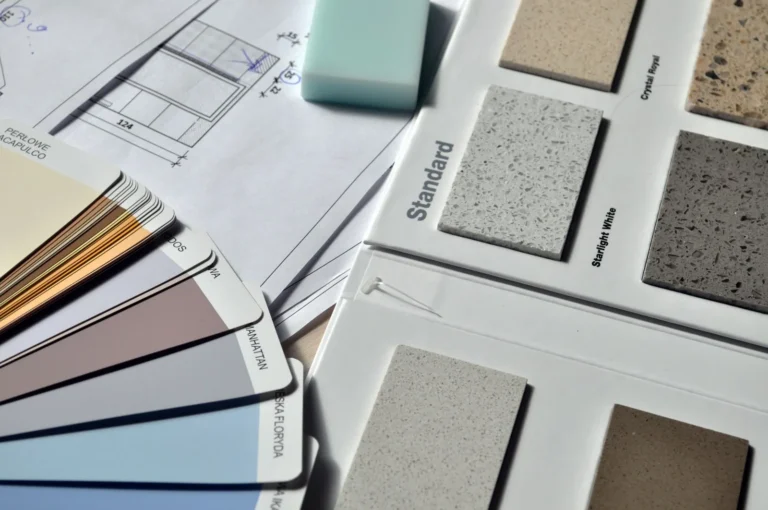
Photo by Karlee Heck via Pexels
A repaint is a genuinely smart way to refresh a house when the underlying siding is still solid. It protects the surface, boosts curb appeal, and costs a fraction of replacement. The catch is that paint is a temporary fix by design.
What New Siding Costs
New siding is a bigger check to write, but the range is wide because the material choice drives almost everything. Here’s what you can expect to pay, installed, for the most common options:
- Vinyl siding: $8,000 to $16,000 for a 2,000-square-foot home. It’s the budget-friendly option at roughly $3 to $7 per square foot installed, with premium insulated vinyl pushing toward $12.
- Fiber cement (James Hardie): $12,000 to $28,000, or $5 to $14 per square foot installed. It costs more than vinyl but resists fire, rot, and insects.
- Engineered wood: $9,000 to $18,000, around $4 to $10 per square foot. It gives the look of real wood with less upkeep.
- Natural wood and cedar: $15,000 to $35,000, or $7 to $16 per square foot installed. It’s the most expensive common choice and needs regular staining or painting.
Labor is the bigger line item on a siding job. Removal of the old material, house wrap, flashing, trim, and the actual installation all take time. Expect installation to account for 50% to 60% of the total. For a full breakdown of material prices, see our guide to house siding cost per square foot.
The Hidden Costs That Change the Math
Sticker price is only part of the equation. Both projects carry costs that homeowners forget to budget for.
For painting, watch for:
- Rotted trim or fascia that has to be replaced before it can be painted.
- Lead paint abatement on homes built before 1978, which can add thousands in compliance costs.
- Caulking and sealing, which good painters do but which adds line items to the bid.
For siding, watch for:
- Sheathing repair. When old siding comes off, damaged OSB or plywood underneath is often exposed and must be replaced before new siding goes up.
- Insulation upgrades. Removing siding is the cheapest time to add exterior insulation, which many homeowners choose to do while the walls are open.
- Permit fees and dumpster rental for the tear-off.
None of these are deal-breakers, but they explain why a $6,000 paint job can become $9,000, and why a $12,000 siding bid can become $18,000.
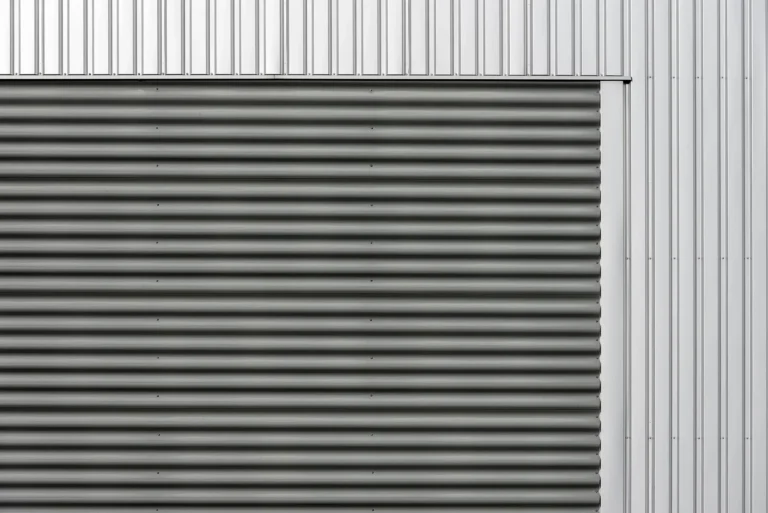
Photo by Engin Akyurt via Pexels
Lifespan and Maintenance: Where the Real Value Shows
Cost over one year is one thing. Cost over twenty years is the number that actually matters, and that’s where siding pulls ahead.
A quality exterior paint job lasts five to ten years before it needs another round, depending on climate. Homes in harsh sun or heavy freeze-thaw regions repaint closer to the five-year mark. Over twenty years, you might paint three or four times at $3,000 to $6,500 each, for a lifetime cost of $12,000 to $26,000.
By contrast, vinyl siding lasts 20 to 40 years, fiber cement can go 50 years or more, and wood siding with regular care lasts 20 to 30 years. The material costs more up front, but you pay for it once instead of every decade.
That said, siding is not maintenance-free. Vinyl needs periodic washing to keep mildew off, wood needs staining or painting every few years, and even fiber cement needs repainting roughly every 10 to 15 years. If you want a deeper look at one material’s upkeep, our guide to how to clean vinyl siding walks through it.
When Painting Makes Sense
Painting is usually the right call when the siding itself is still structurally sound. If the boards are straight, the nails are holding, and there’s no rot or warping, a repaint restores the look for a fraction of the cost.
Choose paint when:
- The siding is dirty, faded, or has minor cosmetic wear but no structural issues.
- You want to change the color of your home without a full remodel.
- Your budget is limited and you need the fastest curb-appeal win.
- You’re preparing to sell and want the house to look fresh without a five-figure investment.
A fresh coat of paint is one of the highest-return cosmetic upgrades you can make before listing a home. Real estate data regularly shows repainting recovers a large share of its cost at resale, which makes it a low-risk move when you’re selling within a year or two.
When Replacing Siding Is the Better Call
Siding replacement becomes the smarter choice when the exterior is failing, not just fading. Painting over rotting wood, warped boards, or siding that no longer seals the house is throwing money at a problem that will return in a year.
Replace siding when:
- You see rot, mold, or insect damage that goes deeper than the surface.
- The siding is cracked, warped, or pulling away from the house.
- There are drafts, moisture stains, or higher-than-expected heating and cooling bills pointing to failing insulation.
- You’re planning to stay in the home for a decade or more and want to stop repainting on a cycle.
Replacement also lets you fix what’s underneath. The U.S. Department of Energy notes that air leaks through walls and gaps are a major driver of energy loss, and a siding project is the most practical time to add exterior insulation and a weather-resistant barrier. That’s a benefit paint can never offer.
If you’re weighing two replacement materials against each other, our comparison of vinyl siding vs Hardie board cost breaks down the trade-offs in detail.
Frequently Asked Questions
Is it cheaper to paint or replace siding?
Painting is far cheaper up front. A full repaint averages $3,000 to $6,500, while new siding starts around $8,000 and can exceed $30,000. Over a 20-year period, however, the repeated cost of repainting can approach or exceed the one-time cost of quality siding.
How long does exterior paint last compared to siding?
Exterior paint typically lasts five to ten years. Vinyl siding lasts 20 to 40 years, fiber cement can last 50 years or more, and wood lasts 20 to 30 years with maintenance.
Can you paint over old siding instead of replacing it?
Yes, as long as the siding is structurally sound. Peeling paint, mildew, and minor scuffs can be prepped and repainted. If the boards are rotting, warped, or pulling away from the house, paint will not fix the underlying problem.
Does new siding increase home value more than paint?
Generally yes. Siding replacement consistently ranks among the top home improvements for return on investment, because buyers value a long-lasting, low-maintenance exterior. Paint boosts curb appeal and helps with resale, but it doesn’t carry the same structural and longevity premium.
How do I know if my siding needs replacing or just repainting?
Look for rot, cracks, warping, and gaps where boards meet. Push on suspect areas with a screwdriver; soft or crumbly spots mean rot, not a paint problem. If the surface is only faded or dirty, repainting is usually enough.
The Bottom Line
House siding vs painting cost is less a contest and more a question of what your home actually needs. If the siding is sound and you want the biggest visual improvement for the smallest check, paint it. Expect to spend $3,000 to $6,500 and plan to do it again in five to ten years.
If the siding is failing, leaking, or past its useful life, replacement is the only option that solves the real problem. It costs $8,000 to $30,000 or more, but it buys you decades of protection, better energy performance, and a stronger resale position.
Get a couple of written quotes for each scenario and have a contractor confirm whether your current siding has life left in it. For more detail on what new materials cost, start with our guide to house siding cost per square foot. For guidance from professionals on the decision itself, This Old House and Angi both publish current cost data worth checking before you commit.